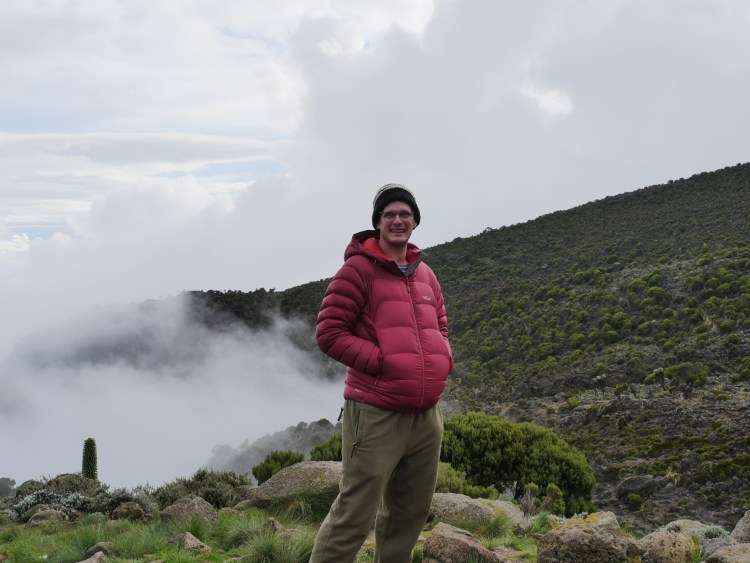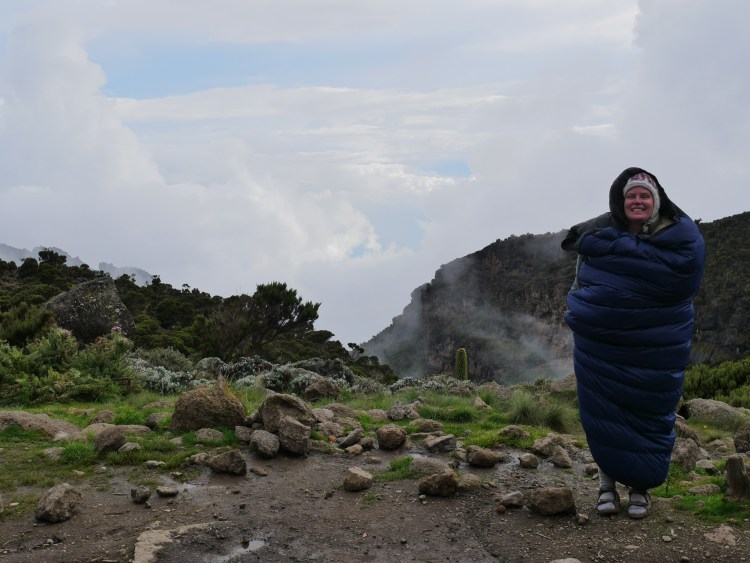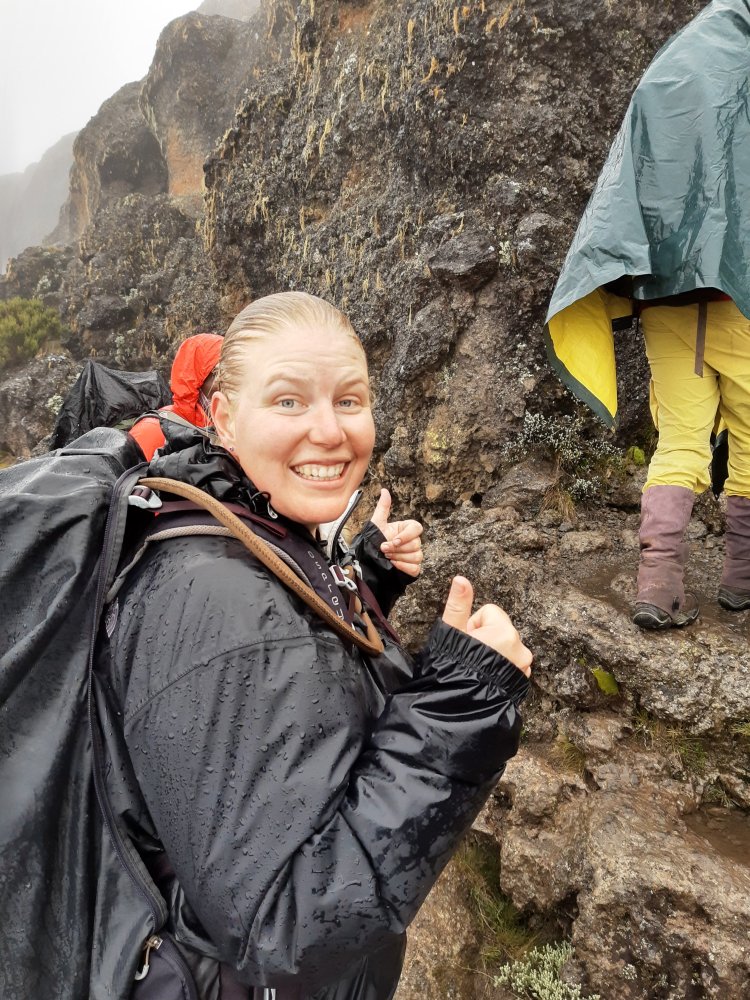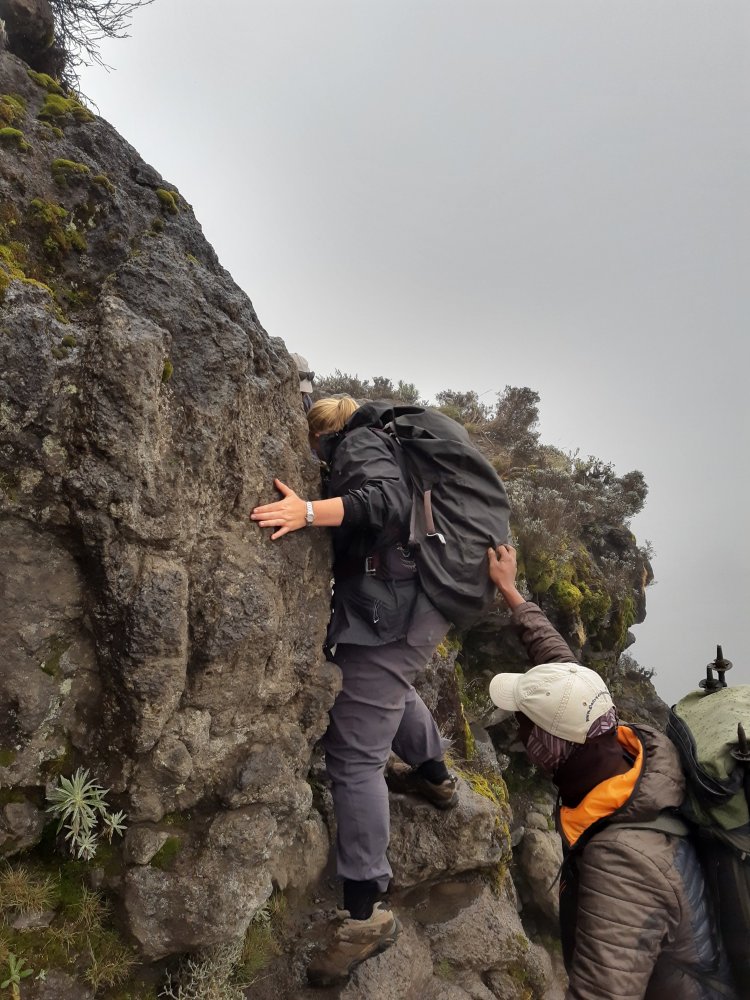
Week 11

South Africa – The Garden Route and Wild Coast

What we did

We flew into East London (the South African town, we aren’t in England all of a sudden!) where we picked up a hire car and drove an hour up the coast to Chinsta, where we spent 3 nights at Buccaneers backpackers. We were lucky enough to be upgraded to a room with incredible views of the ocean and surrounding hills, which we gazed upon through our open French doors – a past-time which became thoroughly less enjoyable when a hive of angry wasps was discovered under our balcony.
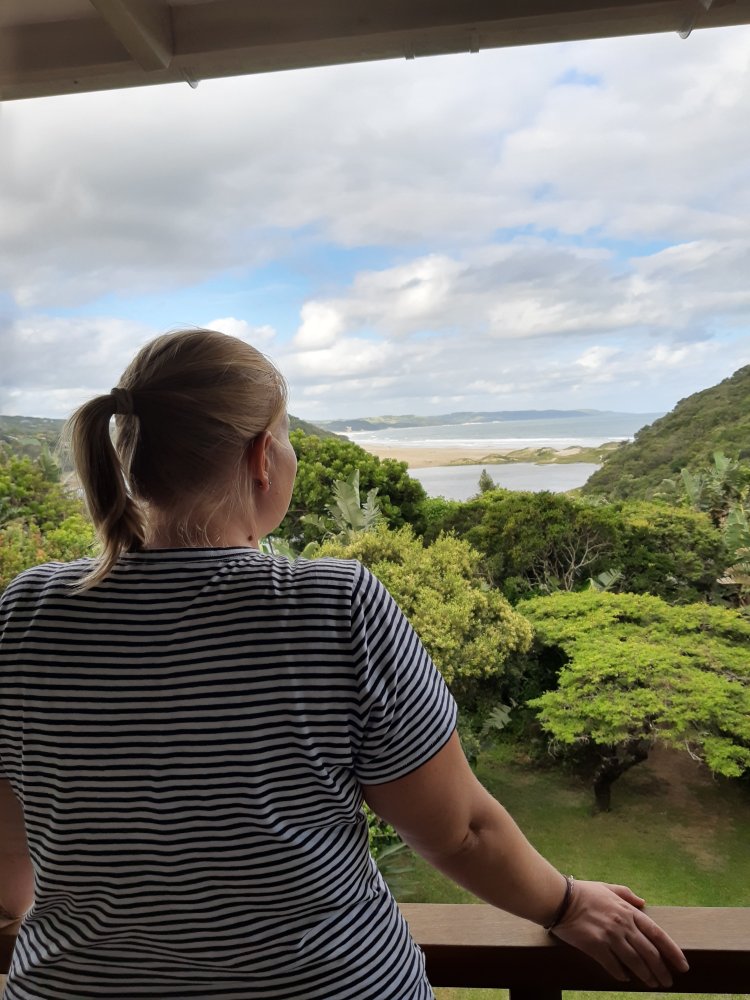
Breathtaking view from our balcony

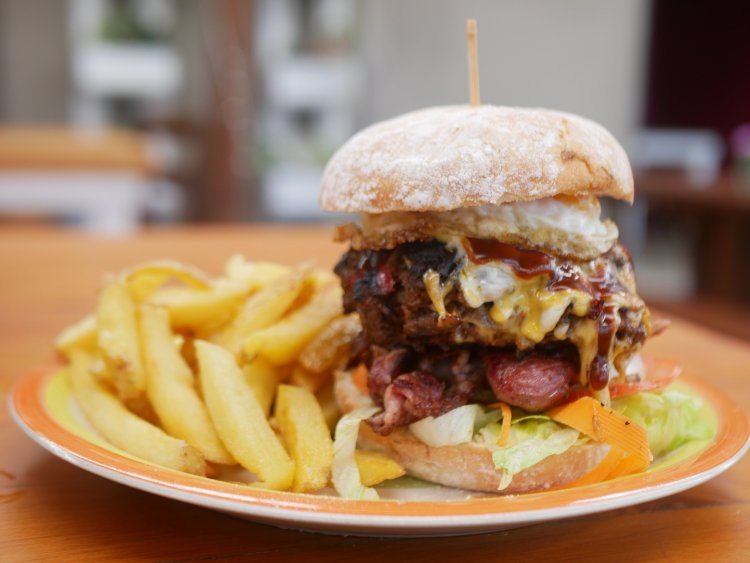
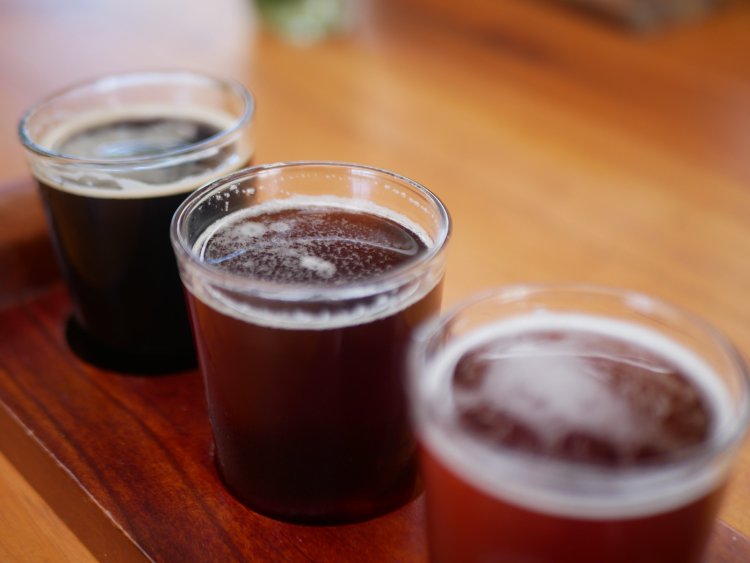
After our long journey to get here we felt very entitled to spend a couple of days doing very little, and this was the perfect place for it. We took a dip in the rather rough ocean, swam in the pool and visited a local brewery for a beer tasting. Every evening we enjoyed homecooked meals that the hostel prepared and served in a family style dining room, where we were surprisingly the youngest people by quite some years! We also made a visit to the Emerald Vale Brewery, where we enjoyed a very good value tasting board and some amazing burgers.
From Chinsta we had a long day of driving to reach Plettenberg Bay (‘Plet’) and the Garden Route. These several hours on the road were something of a trial by fire. Driving on South Africa’s highways and rural roads for a couple of city-slicking Canberrans was a touch traumatic.

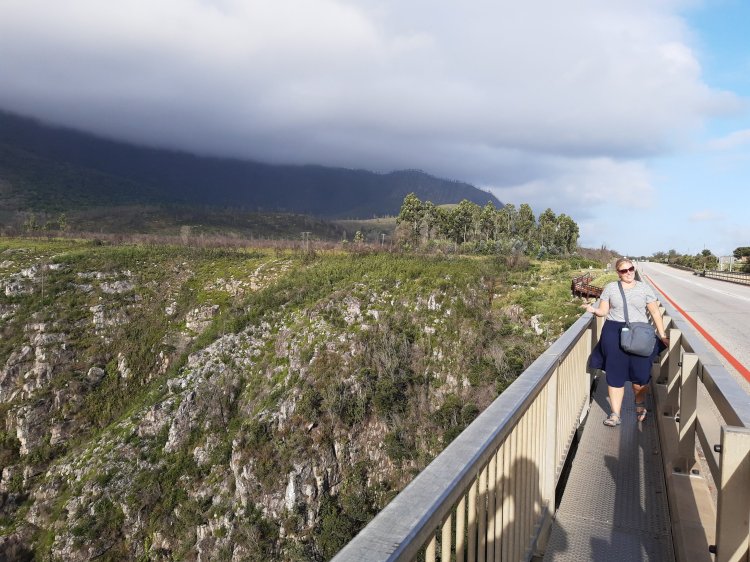
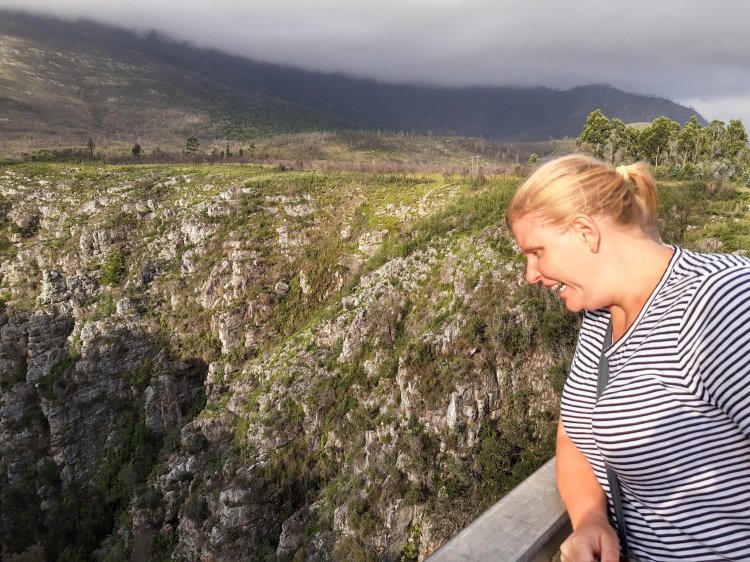
We stopped off along the way in quaint little Grahmstown and the surfer’s paradise that is Jeffrey’s Bay, and admired the incredible views as we crossed suspension bridges above gorges and canyons. We spent 3 nights in Plet at Nothando Backpackers, and discovered on our first night that the backpackers had a French chef running a little restaurant out of the kitchen! We ate at ‘Chez Laurent’ the first night, and it was so good that we ended up eating there every night, including Valentine’s day where he treated us to beautifully cooked steaks and Crème brûlée at criminally cheap prices.

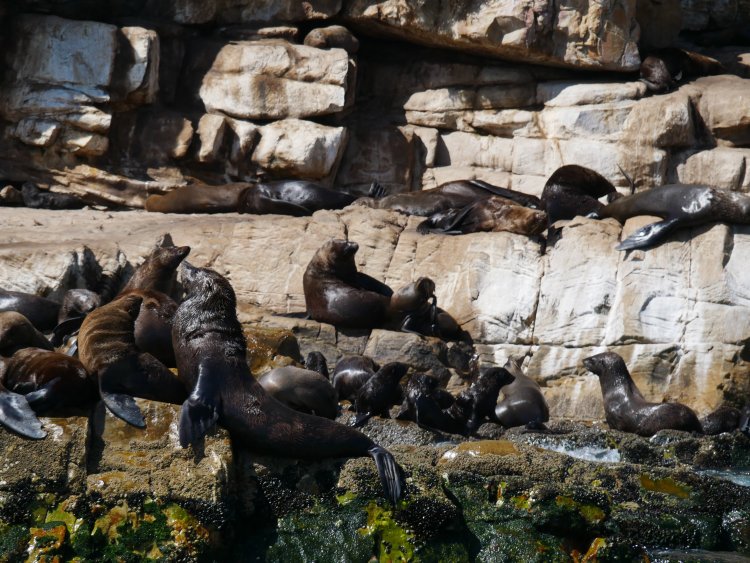
We spent our days in Plet swimming in the beautiful (albeit brisk) ocean and spent an amazing morning swimming with a colony of cape fur seals with Offshore Adventures! We also had our biggest struggles with South Africa’s current power situation here, where the power company uses rolling scheduled power outages as there is not enough supply to meet the countries demand. It was very hot in Plet, so having no power and hence no fan in our room for a few hours in the middle of the day or night while we were trying to sleep was a struggle!
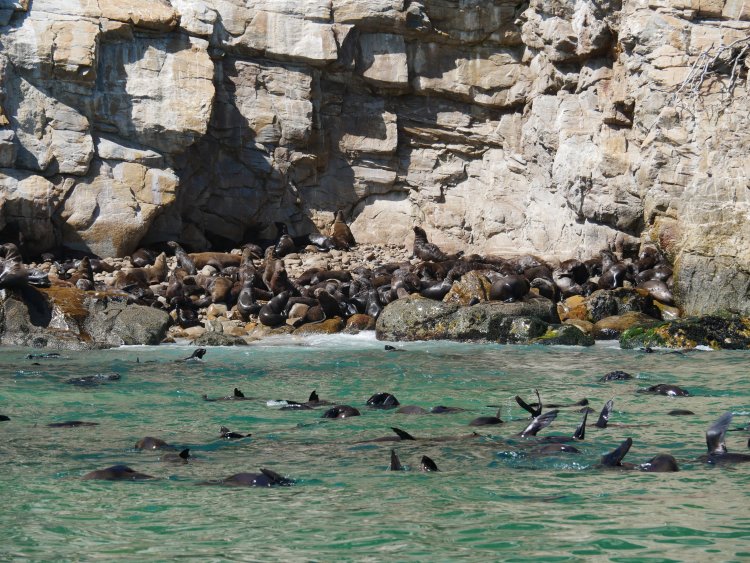
Thousands of Cape Fur Seals lie on the coast of Plettenberg Bay

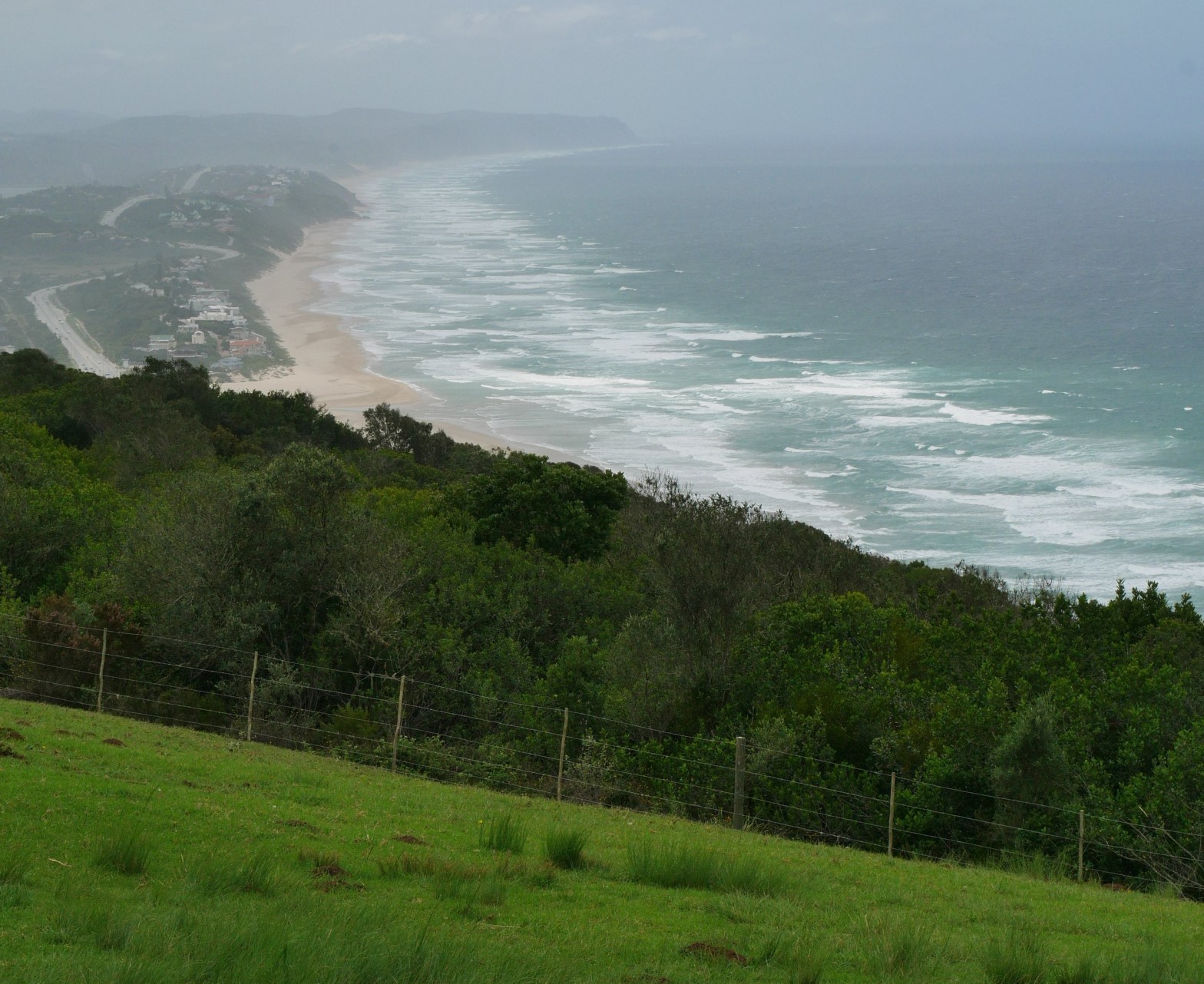
Our next stop after Plet was Wilderness, which was only a short two hour drive along the coast. We stopped along the way in Knysna and took in the incredible views from the top of the Knysna heads, as well as having a delicious lunch at the idyllic East Head Café overlooking the heads.
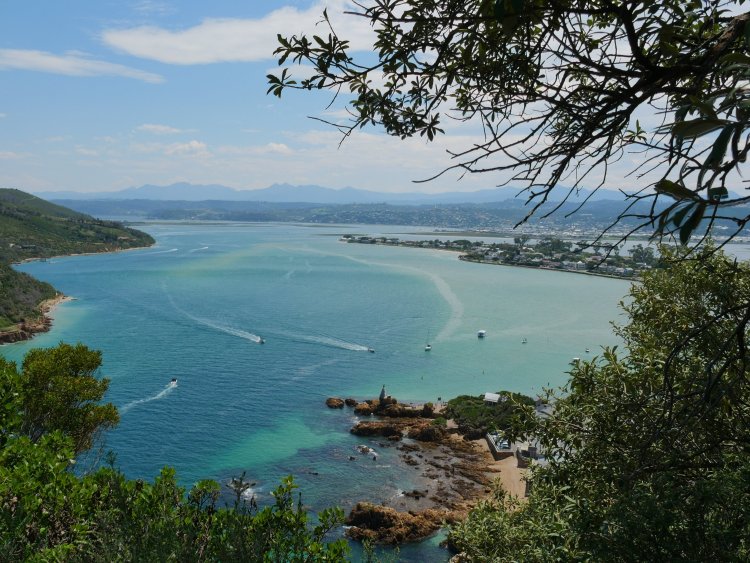
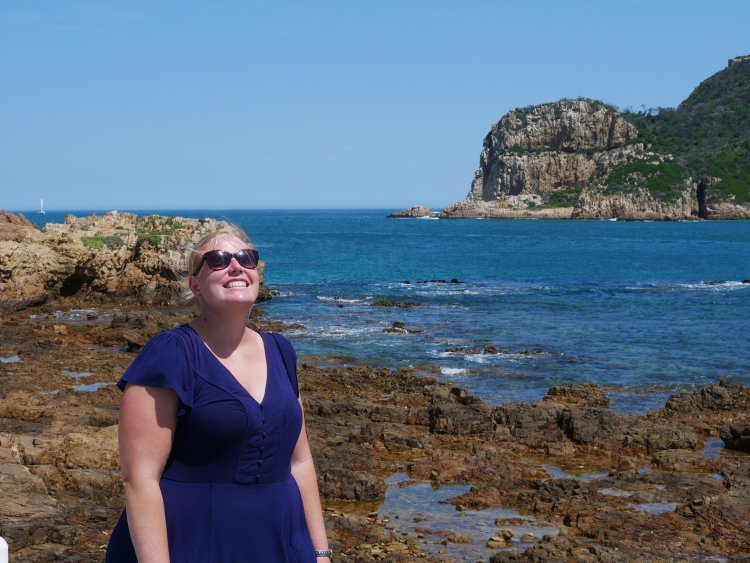
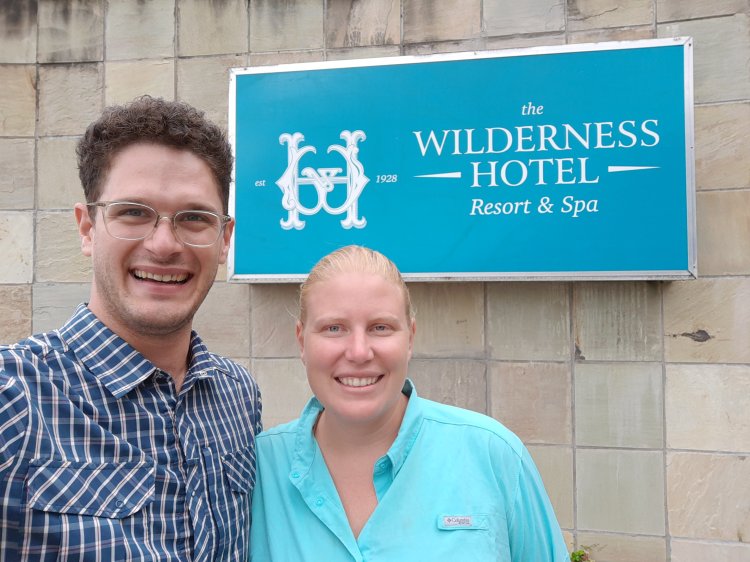
We spent two nights in Wilderness, which we found to be a quaint little town. It was probably our least favourite stop along the coast, partly because the sea was very rough and full of bluebottles so we couldn’t swim, and partly because of our hostel which had, among other things, rather translucent shower screens in the communal bathrooms! That said, we managed to while away a pleasant two days here, enjoying a lazy day working on the blog at a little coffee shop (the Green Shed) and paying a visit to the Wilderness Hotel, where Kirsten’s maternal grandparents came on their honeymoon in 1946!
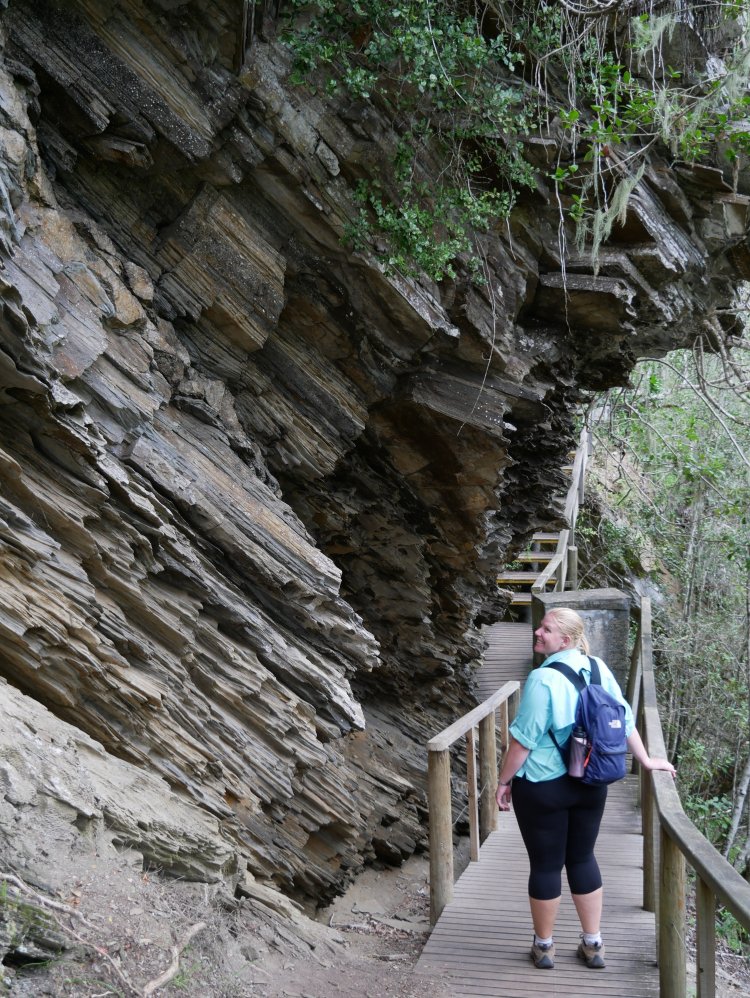
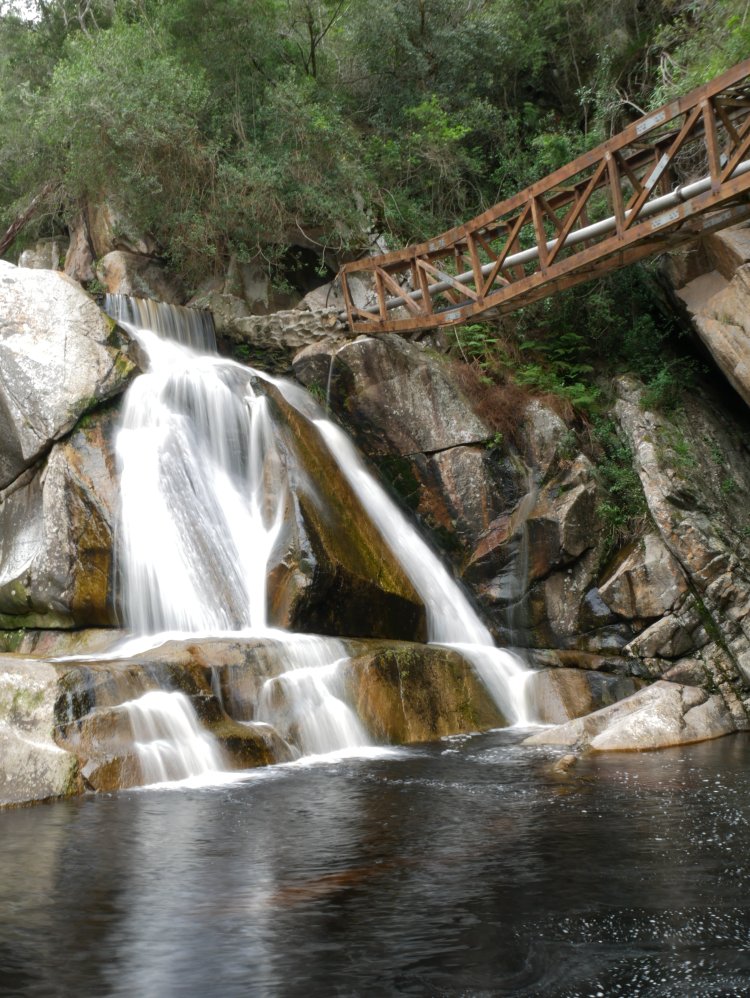
We also finally got back into our hiking boots for the magnificent Half Collared Kingfisher Trail through the nature reserve and up to a waterfall.

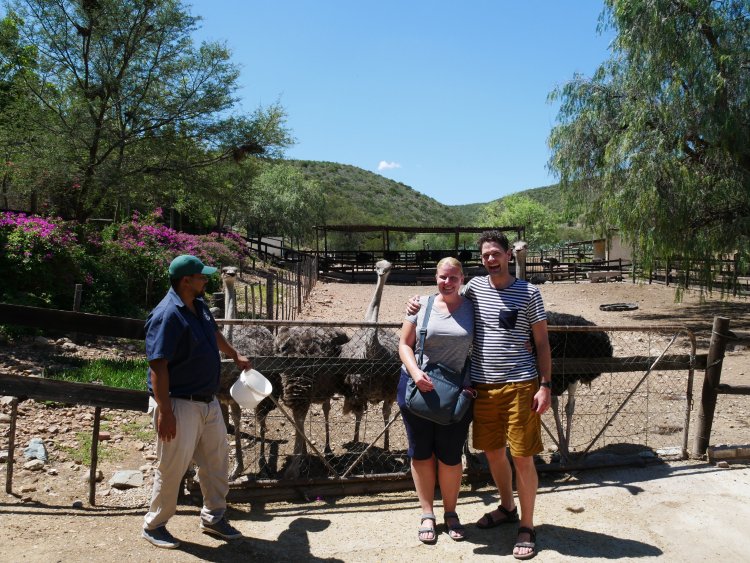
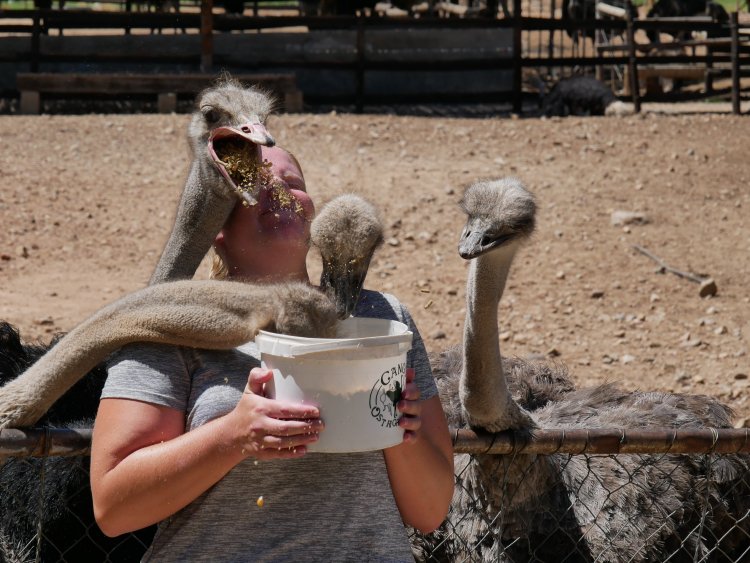
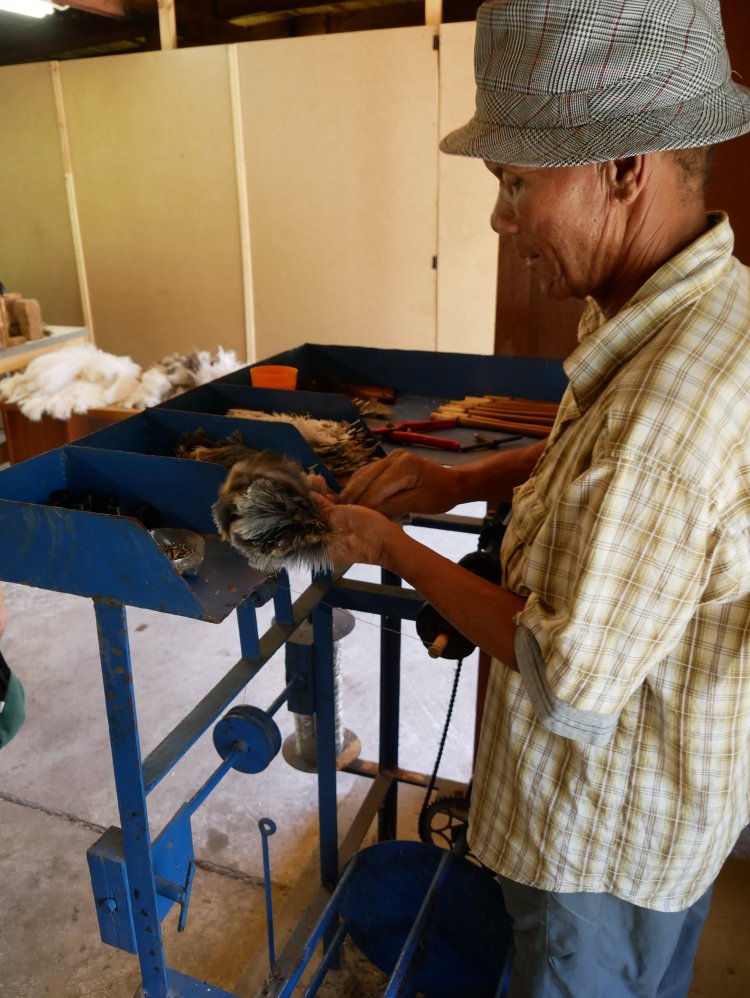
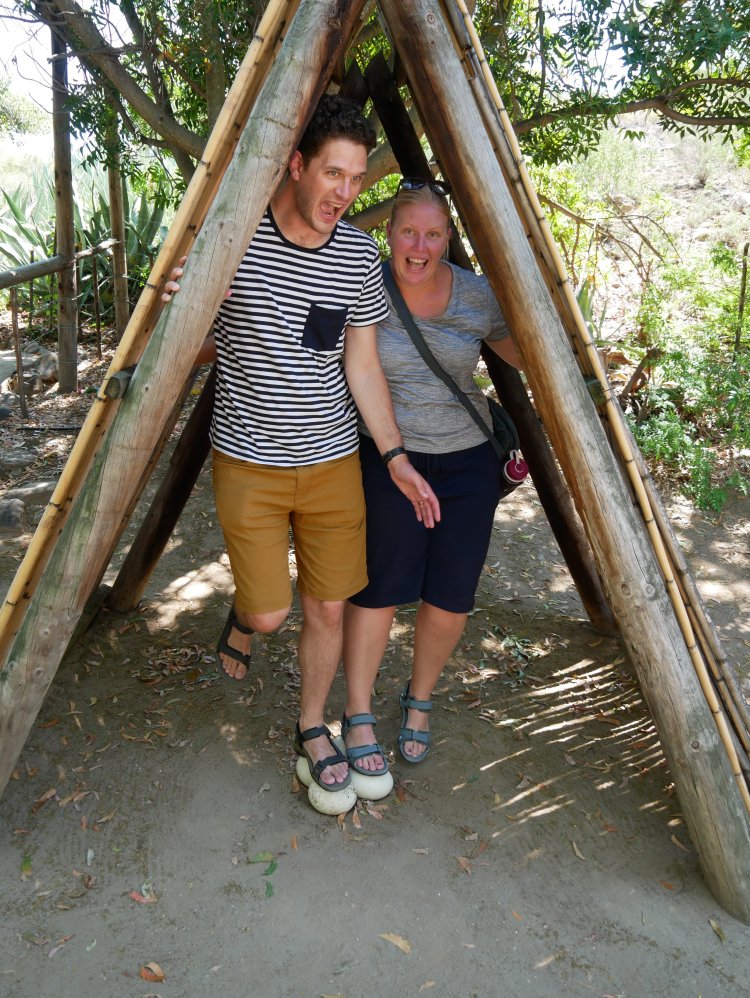
After the hike we hopped back in the car and turned away from the coast for the drive to our next destination – Oudtshoorn (have a crack at pronouncing that!) in the Karoo. Oudtshoorn is an Afrikaner stronghold and once made its fortunes in the Ostrich trade. It’s still known for its ostrich farms, although the business is not as lucrative as it used to be in the days when ostrich feather boas were the height of fashion for society ladies! We loved Oudtshoorn – it was such a cute little town with so much to do, and it was CHEAP to boot! We only had two nights and one day here, which we crammed full of activities. We started with a visit to an Ostrich farm where we got up close to pat and feed the darling Betsy. We were then treated to a “neck massage” from the ostriches, an experience which was more traumatizing than relaxing and resulted in a great deal of bird feed finding its way into our undergarments.
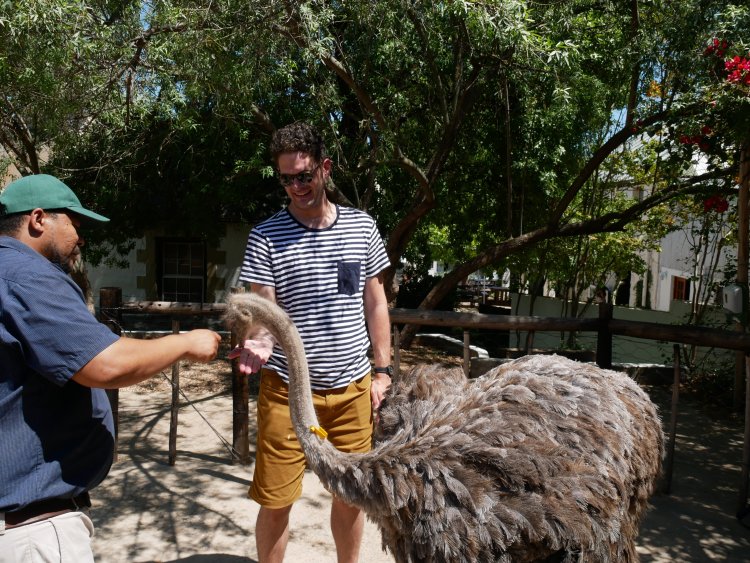
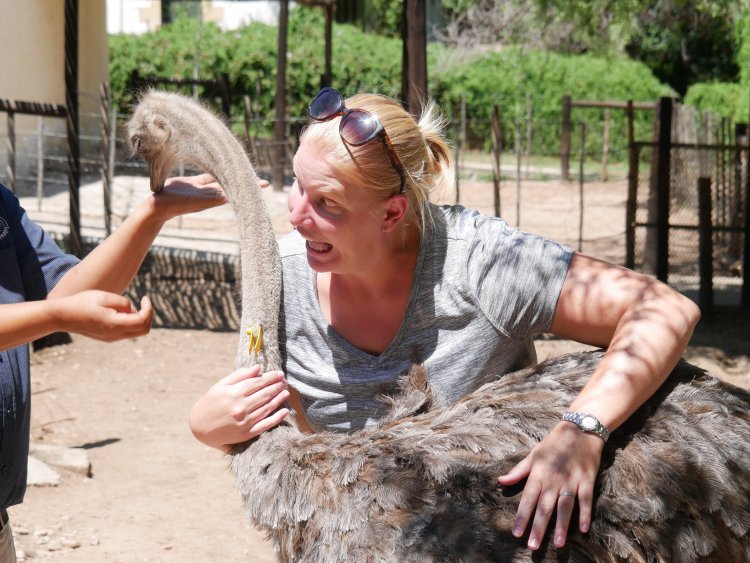
We had a beautiful lunch and wine tasting at the Karusa winery. The wines were VERY reasonably priced (A$6 – 8 each) so we picked up a few of our favourites to take on to Cape Town with us!

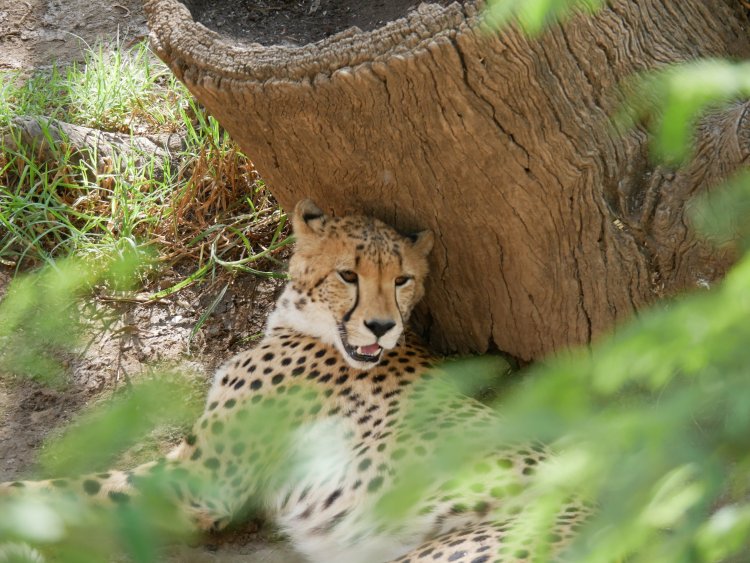
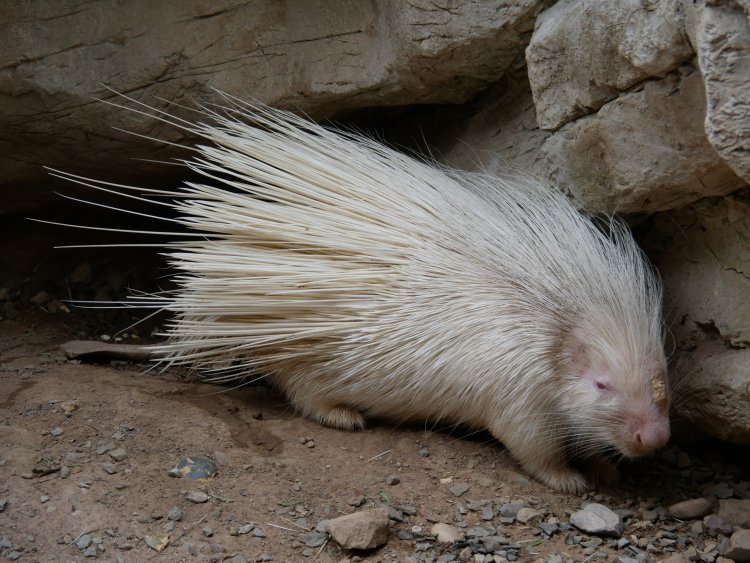
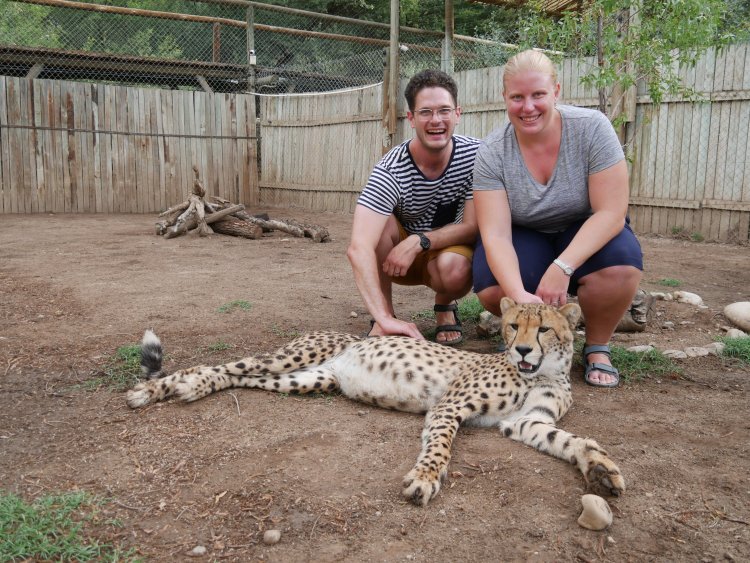
Then we finished off the day with a visit to the Cango Wildlife Ranch, where we saw many rescued animals and got to pat some of the resident hand-reared cheetahs! Both nights we ate at Nostalgie – a local bistro serving delicious traditional Afrikaner dishes at very good prices!

From Oudtshoorn we had a long day of driving all the way back to Cape Town. It was very misty and we could barely see a few meters in front of us as we drove over the mountains at the start of the day, but the weather cleared miraculously and we were treated to magnificent views of the mountains as we drove through Paarl and into Cape Town, at long last catching sight of Table Mountain.
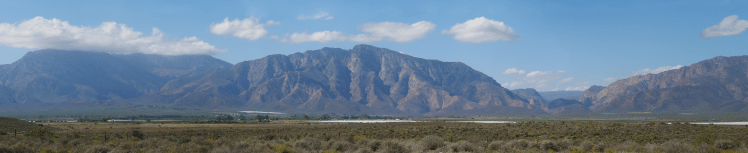
The scenery leading into Cape Town was sublime

Favourite thing we did

After some intense debate, we decided that the Half Collared Kingfisher Trail in Wilderness was our favourite activity from our time on the Garden Route and Wild Coast. It is a stunning hike through a shady forest and along boardwalks amongst the trees. At one point we came upon a river where we could use a rope to pull ourselves across on a pontoon.
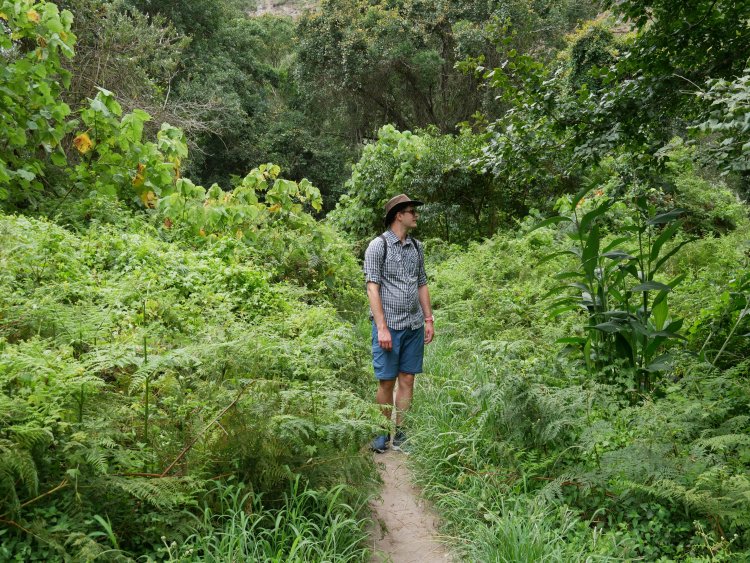
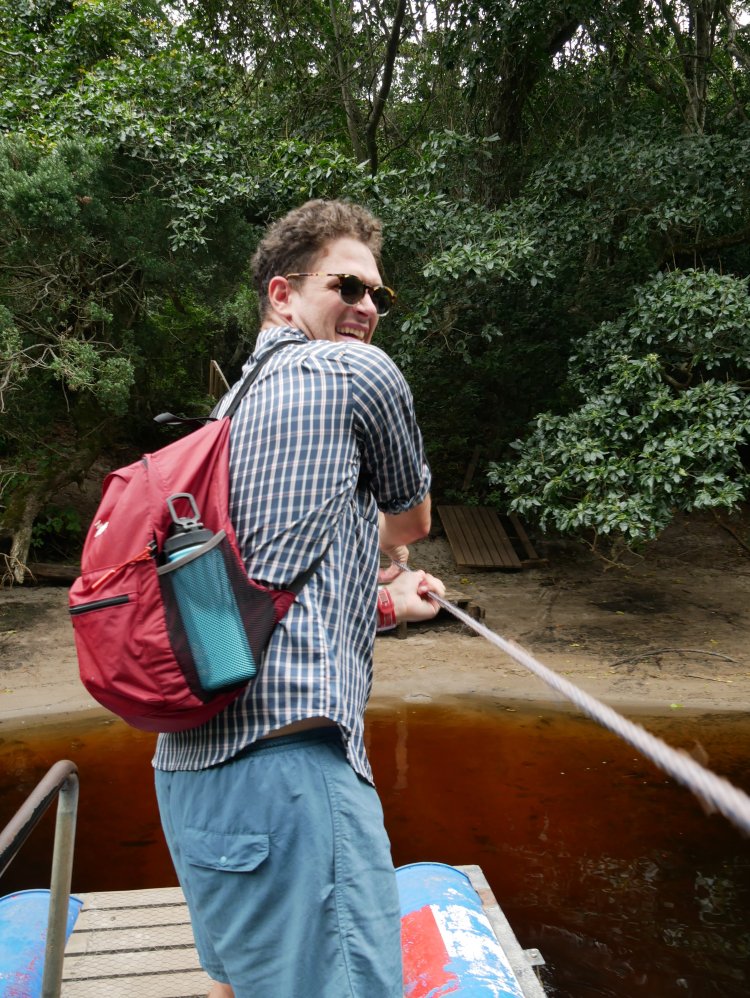
The turnaround point for the hike was at a beautiful waterfall, where we stopped for a picnic lunch and a quick dip in the rather chilly water which was also somewhat orange (from the tannins in the fallen leaves upstream).
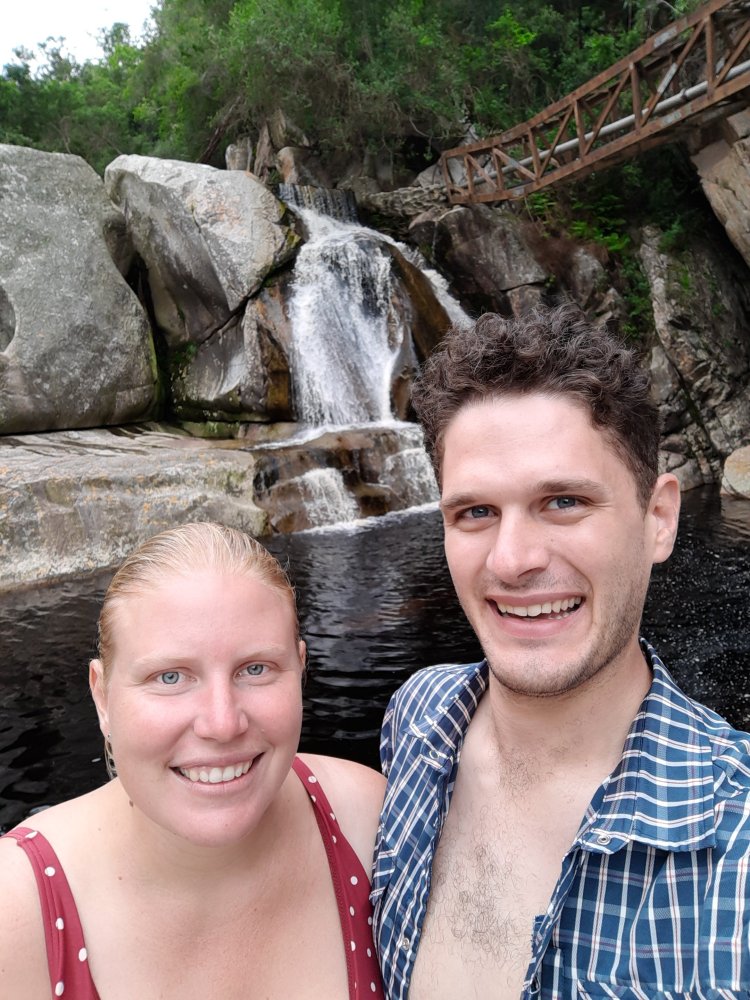
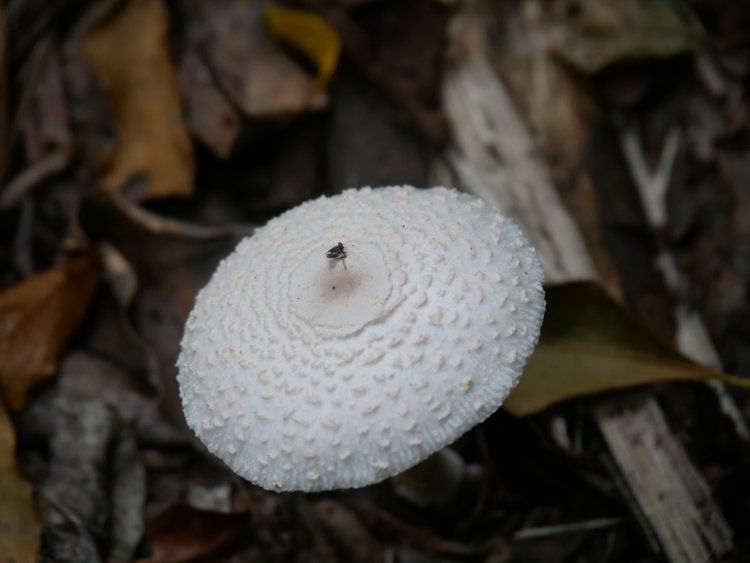
It’s a fairly popular trail, but even at the waterfall site you won’t feel that it is too overcrowded. It’s also one of the safest walks along the coast, as the track has one entry point which is overseen by park rangers. This last detail was something we really appreciated, as there were quite a few spectacular hikes all along the coast that we considered doing. Unfortunately, quite a few of these have recently had some instances of people being robbed or assaulted. A charming walk, also in Wilderness, that follows the old disused train lines of the town, was where a European couple were robbed and stabbed just a few weeks before we arrived. So, when looking for great hikes along the Wild Coast or Garden Route, we recommend electing the no stabby-stabby option.

Biggest splurge

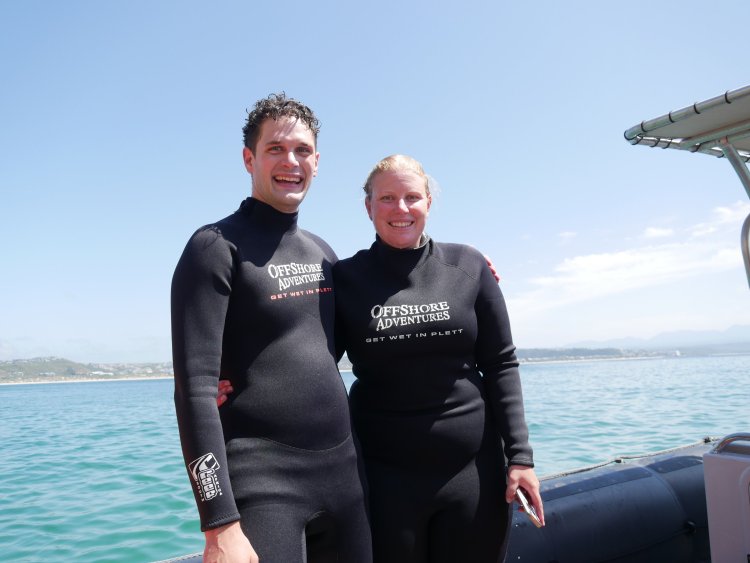
It is a pretty easy call to say that our morning of snorkelling alongside a colony of Cape Fur Seals with Offshore Adventures was a big splurge. But it was well worth it! The seals were extremely playful and curious, particularly the babies, coming up and swimming between our legs and nipping at our flippers! We had about a half hour with the seals in the bracing water. Wetsuits were included and were very much a necessity!
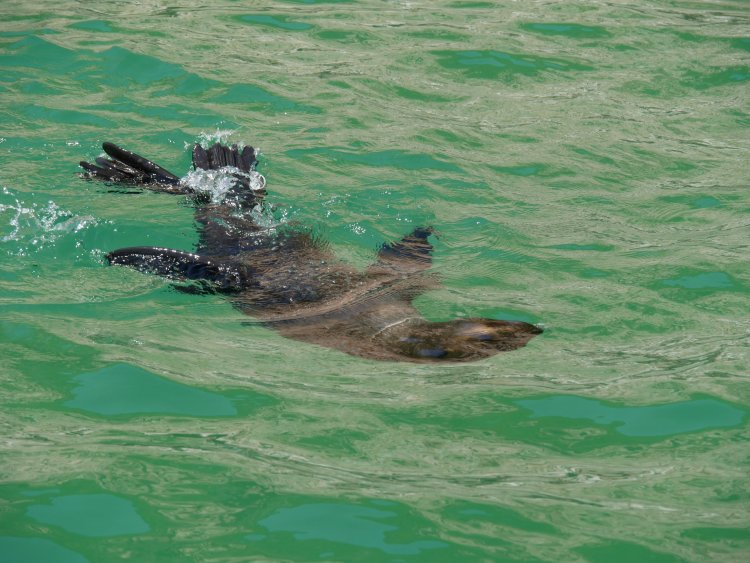
Least favourite thing we did

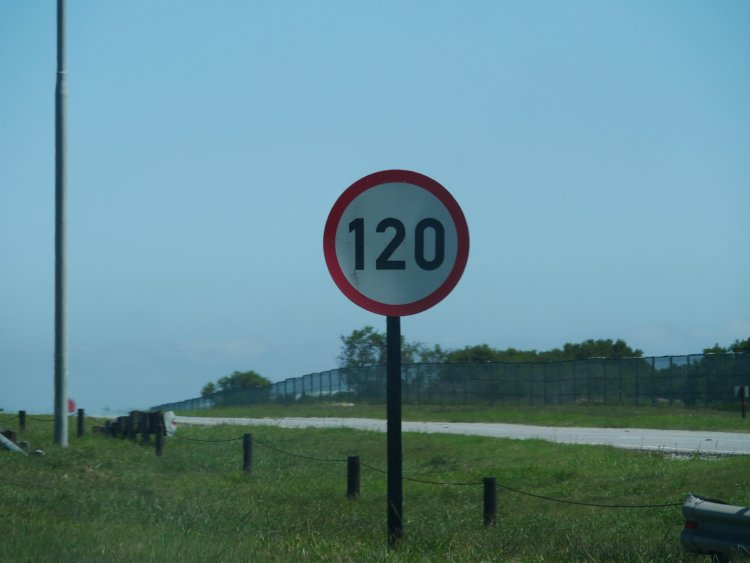
Driving around the N2 and the more minor roads along the coast is an unenviable experience and definitely our least favourite aspect abut travelling along the Garden Route and Wild Coast. South African highways have a speed limit of 120km/hr which is incidentally the top speed of local inhabitant, the Cheetah. We’ve surmised this must be the basis of the speed limit, because why in the hell does anyone need to be going anywhere at 120kph (and often faster). Overtaking on single lane roads, around blind corners, uphill, with no shoulder is fairly standard practice.

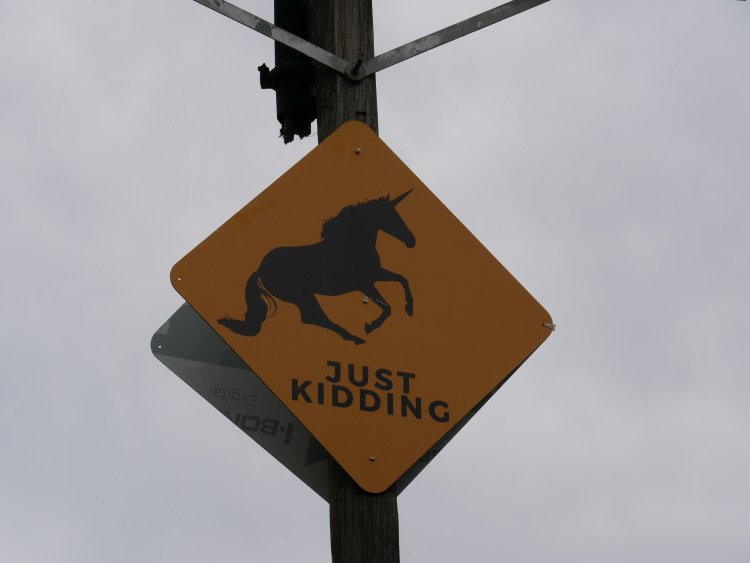
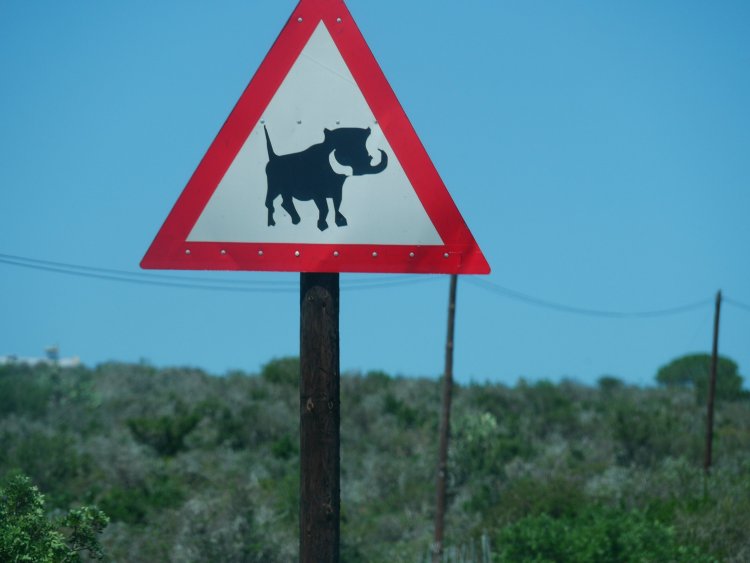
Paired with the often-mysterious signage and abstract road markings – all of which are quite open to interpretation it turns out – we found it a big relief to at last reach our destination town at the end of each long drive. Of course, that’s usually when we encountered a series of terrifying of four-way-stops.
Favourite thing we ate

The three dinners we had at Chez Laurent, the little French restaurant attached to our backpackers in Plettenberg, were by far and away the best meals of this part of the trip. Chef Laurent is an exceptional cook who is generous in personality and plate portioning. The chicken schnitzel he served us (three times, it was that good) will forever set a benchmark that we don’t see being surpassed in our lifetime. On Valentines he prepared a magnificent beef fillet with peppercorn sauce and a crème brûlée that left us immensely satisfied.
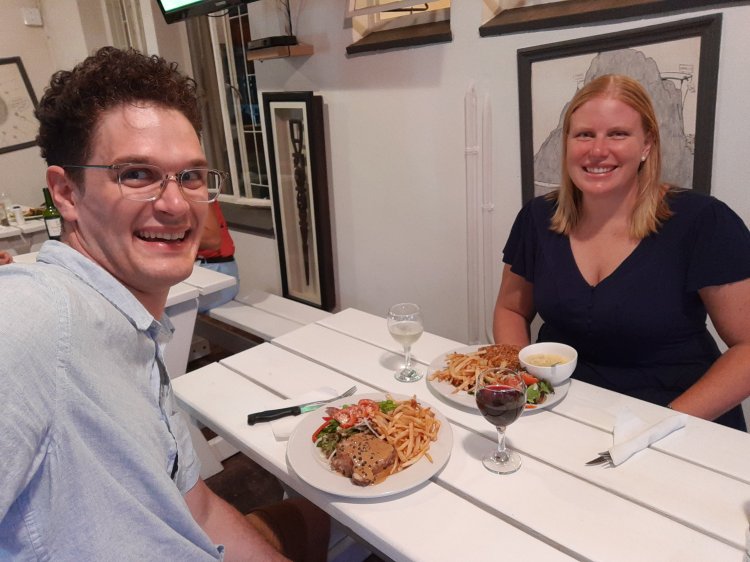
Valentines dinner

Favourite thing we drank

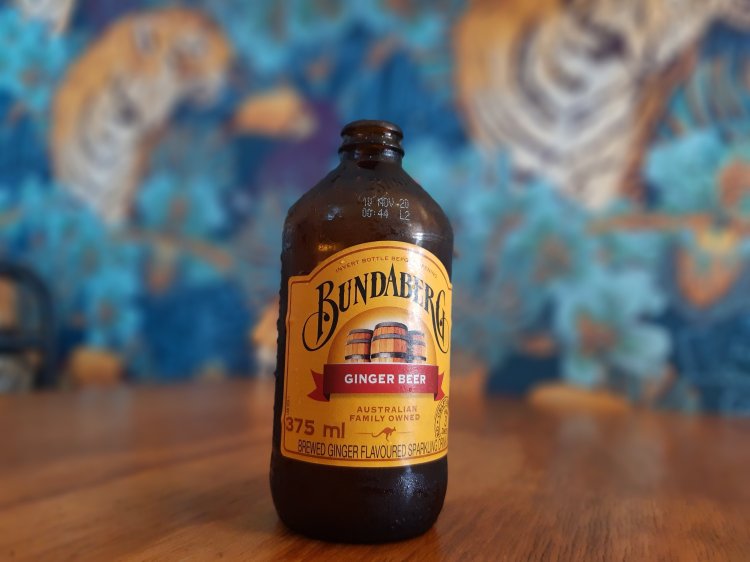
At a fantastic little Asian-Fusion restaurant in Plettenberg Bay, the Golden Palm, Tim’s prayers were answered when he discovered that Bundaberg Ginger Beer was available for purchase. The food here was excellent too, we had the mouth-watering Teriyaki Bowls.
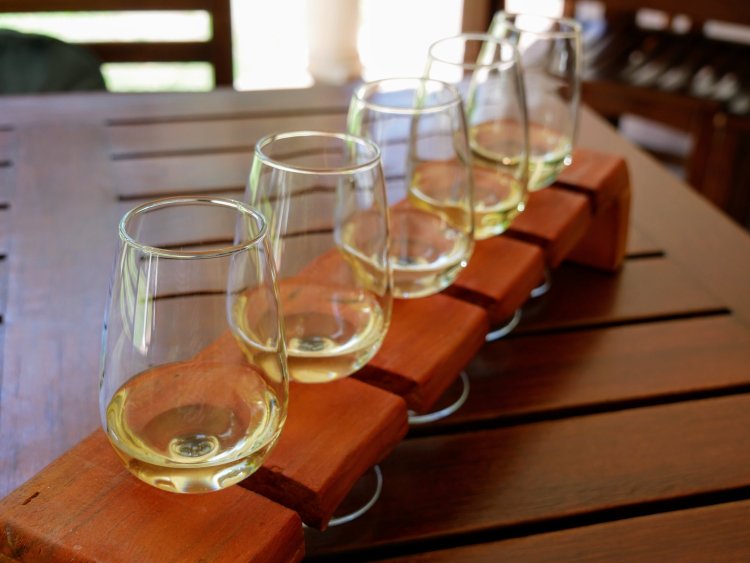
But Kirsten’s pick for favourite drink this time round was the many (many, many) glasses of exceptional South African wines we sampled between tastings and take-home bottles. Having stuck to beer and the occasional cocktail throughout most of East Africa, it was a refreshing change to sample some local vino.
Best deal

Rather than any one moment, activity, meal or location in this two-week period, we’re declaring our entire stay in Oudtshoorn as the best deal we found. This beautiful and charming town really went well beyond our expectations and was jam packed full of great-value experiences.
Our accommodation in Oudtshoorn was at the terrific Backpackers Paradise which while being similarly priced to most of our other backpackers locations on the coast (roughly $60AUD a night) it turned out to be a great deal as our hosts provided us with vouchers for just about every activity in Oudtshoorn as well as many helpful recommendations. Also, at breakfast there you have the option of having regular chicken eggs with your in-house baked bread or treating yourself to some cholesterol bombing Ostrich eggs, for no extra cost (except perhaps the cost to your health).
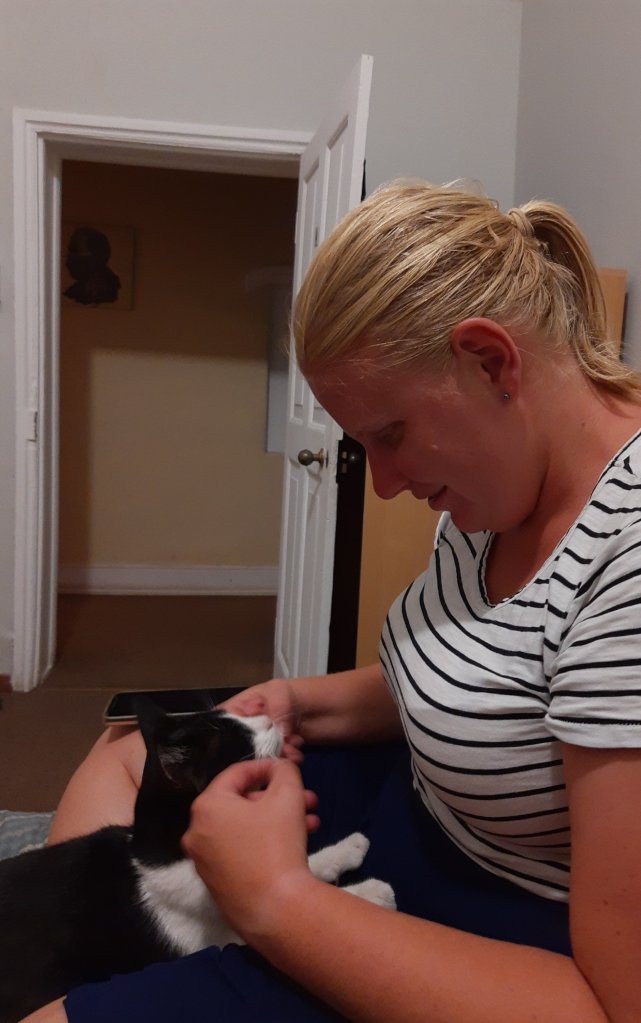
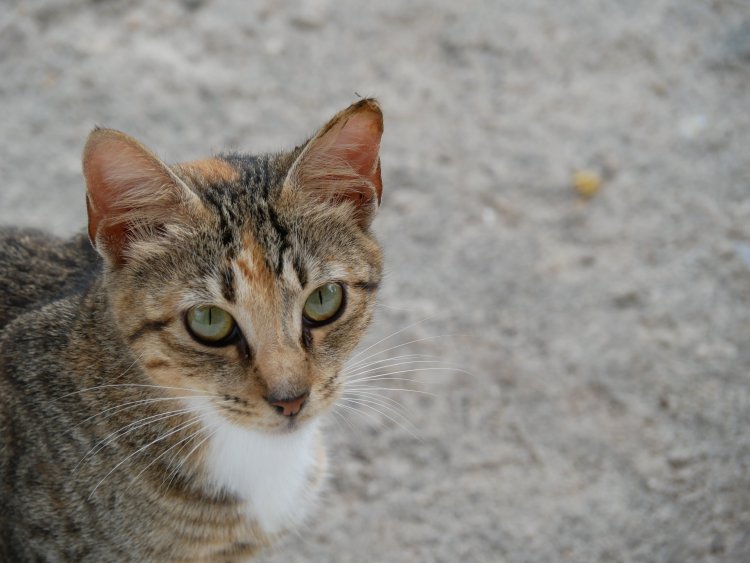
Our rooms came with a cat!

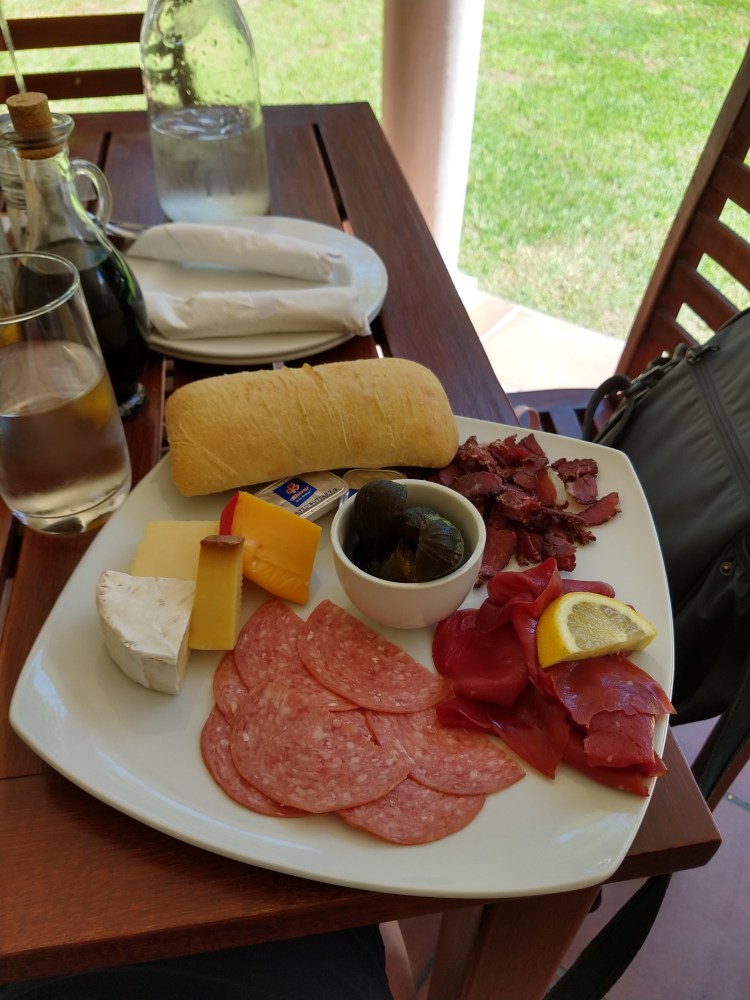
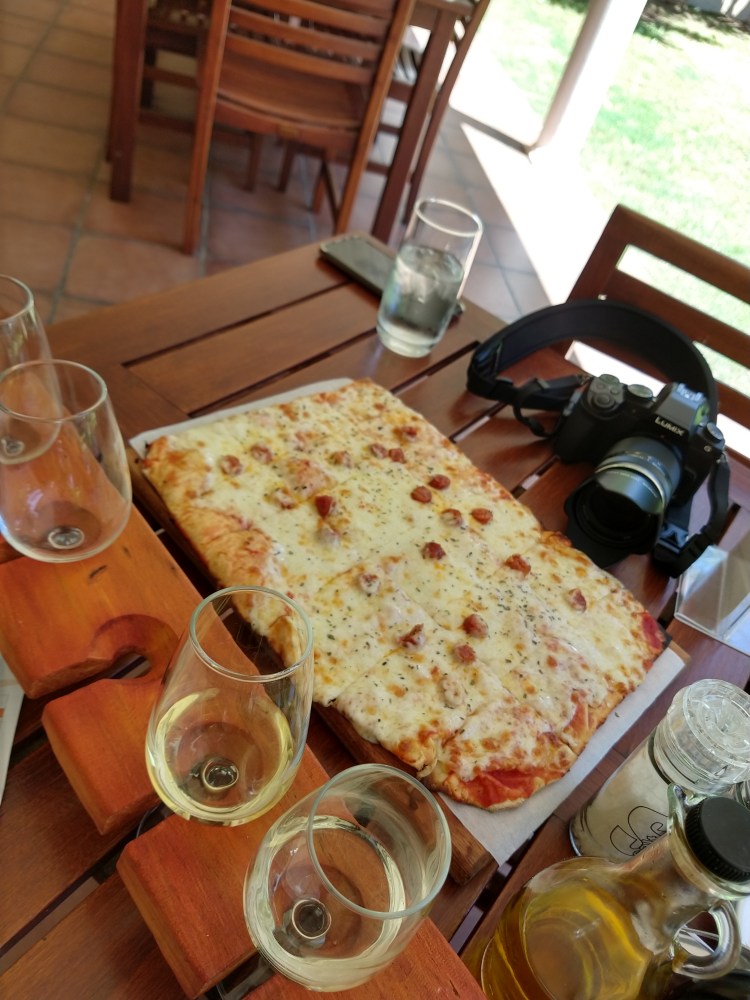
We finally ventured on our first Winery visit in South Africa at Karusa Vineyard, just outside the main town of Oudtshoorn. The white wine tasting was not only a great experience and fabulous selection of wines, but was also DIRT CHEAP! Our one tasting board – which was plenty for the two of us, thanks to the generous pours – was a measly 50 Rand ($5AUD). We paired it with a charcuterie board and pizza which again were exceptional value.
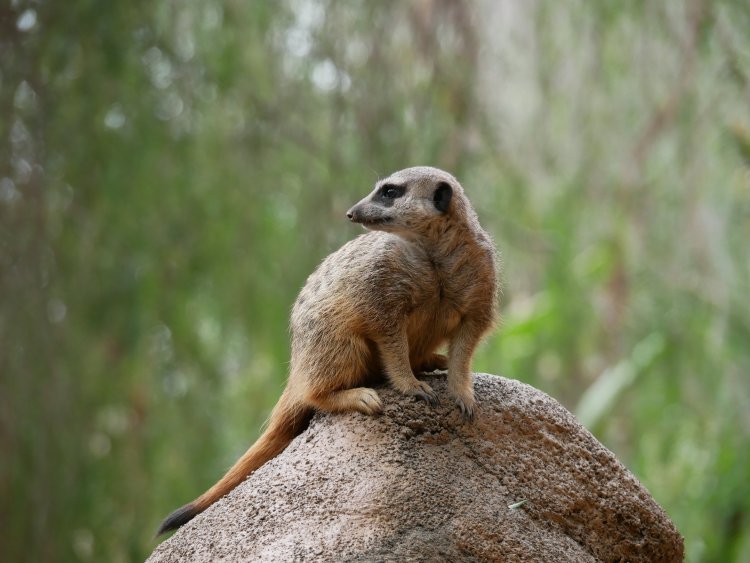
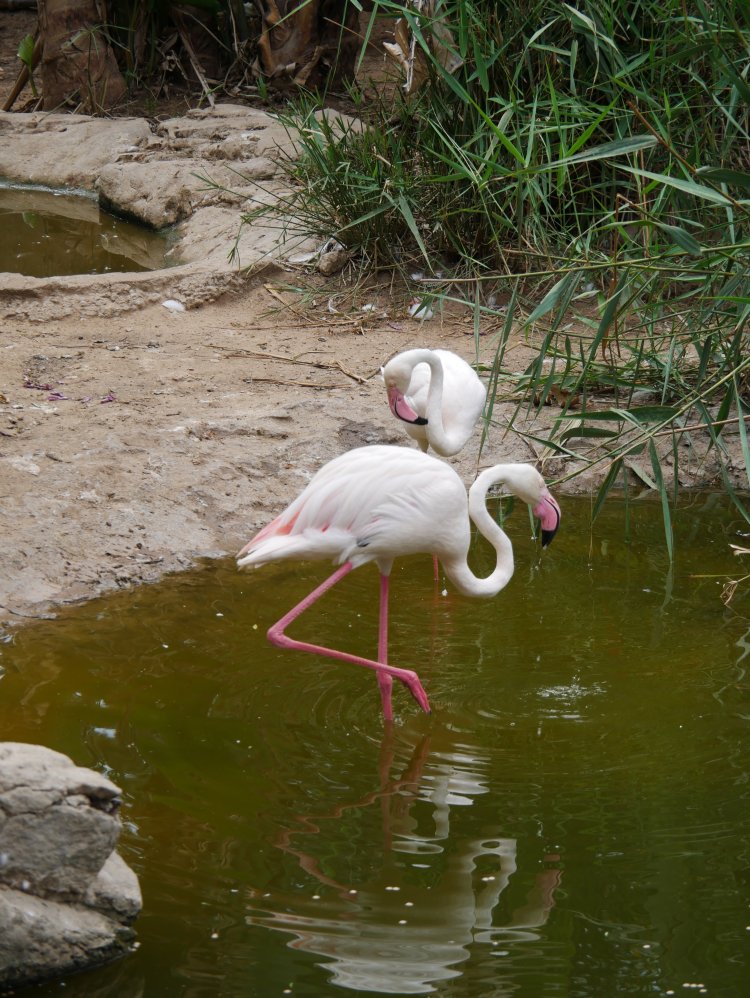
Cango Wildlife Ranch was also incredible value, as most of the entry packages include at least one up close encounter with one of the inhabitants of the zoo. We both had the chance to get up close with Cheetahs within the enclosures and the staff who guided us around were all fantastic. The milkshakes at the café there are a must!
On both nights here we dined at Nostalgie restaurant on the main road through Oudtshoorn. With many traditional Afrikaner dishes of the Karoo Cuisine variety on the menu, we were treated to some great dishes. The food was excellent, but the prices for everything were a very welcome surprise.
Week 10

Zambia and Zimbabwe

What we did

This week features the second half of our massive overland journey from Tanzania to South Africa, so we spent a lot of our time this week on very slow trains and buses.

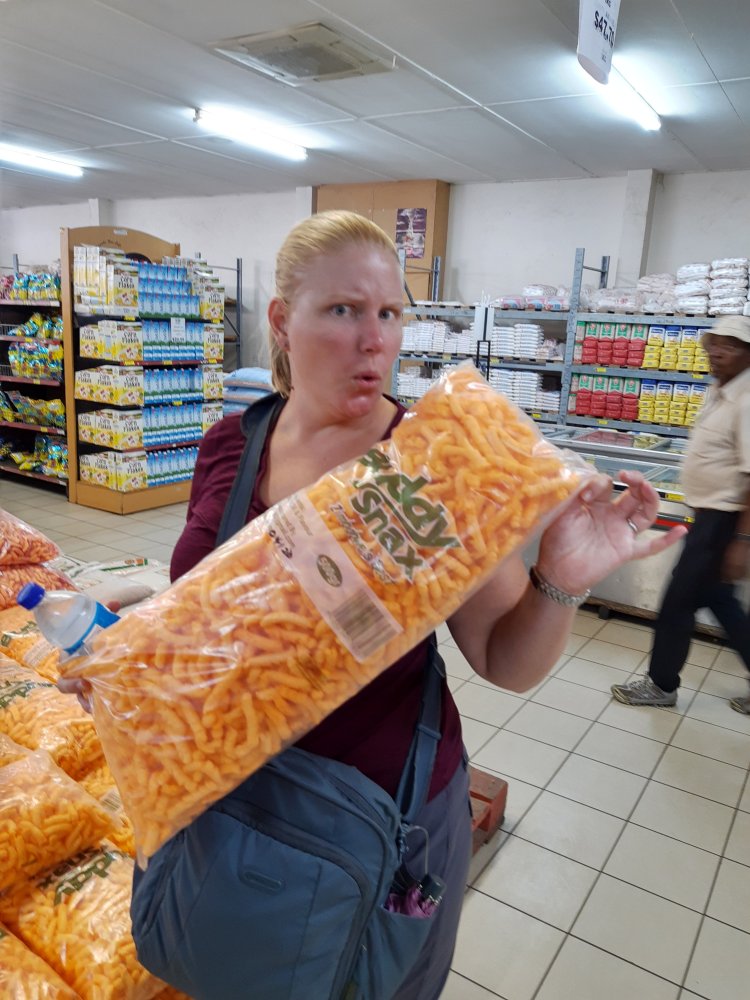
How many chips do you need for three days of trains and buses? (probably not this many )

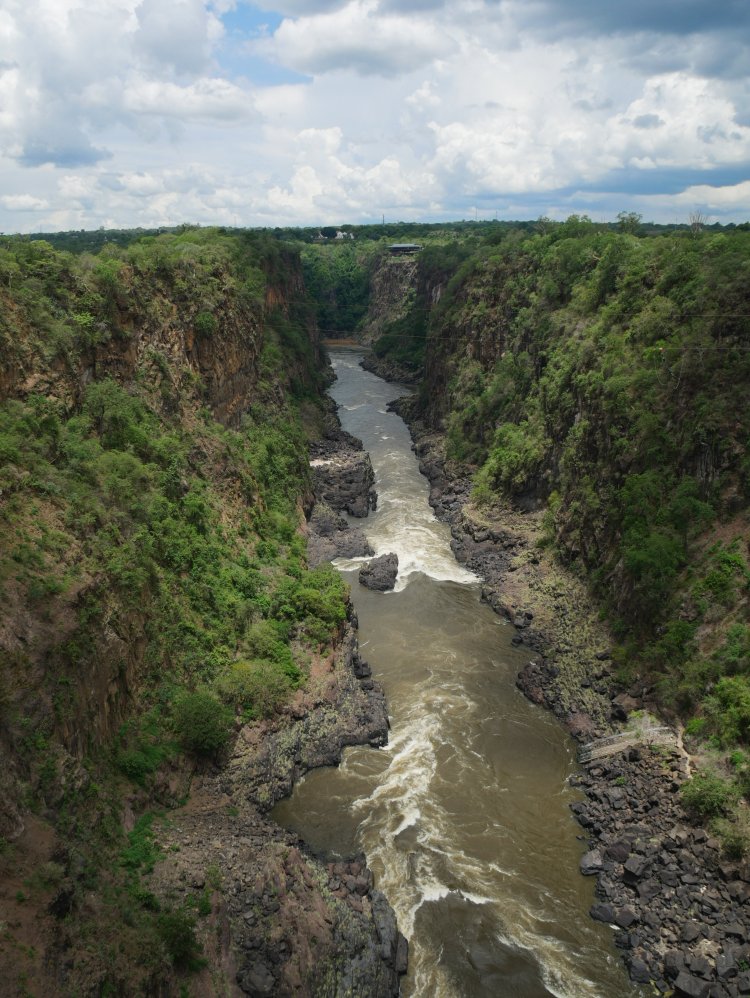
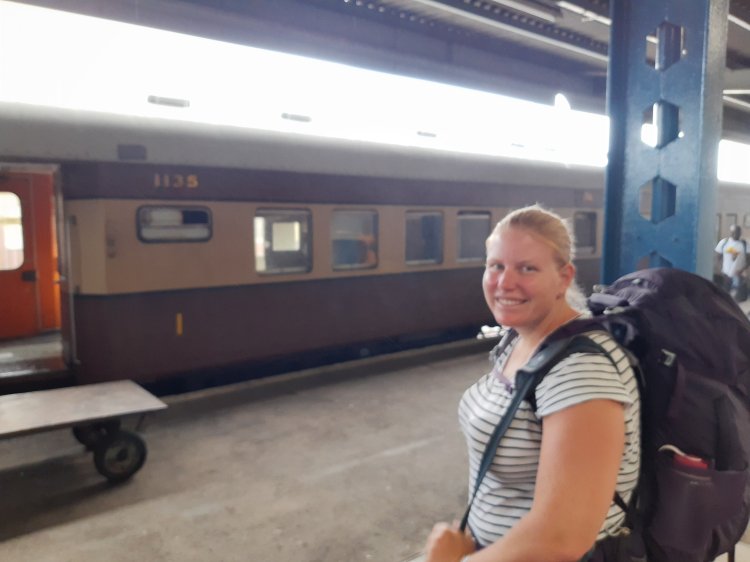
Having arrived in Lusaka late on Sunday night, we got up on Monday morning and decided to push on down to Victoria Falls to give ourselves a solid chunk of time there. So we backed up our three days on the train with another long day of travel – a horribly hot 8 hour bus ride from Lusaka to Livingstone, taxi ride to the border, 30 minute walk across the border and the bridge into Zimbabwe and another taxi ride to our hotel in Victoria Falls.

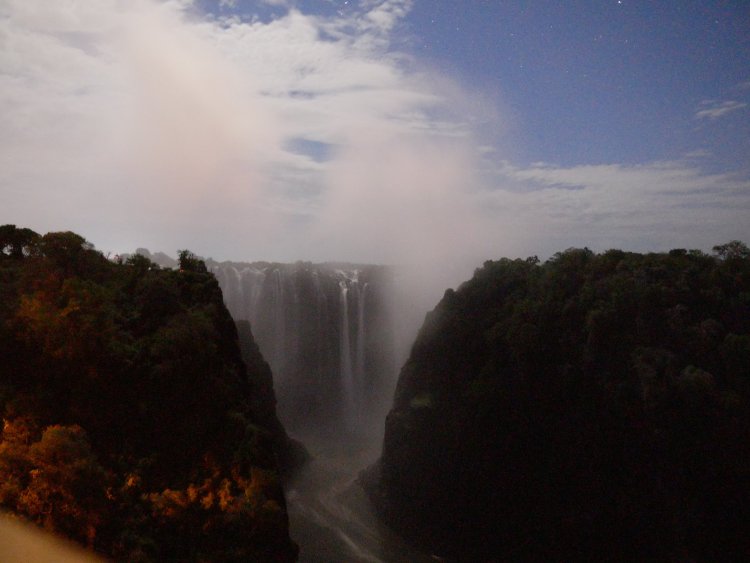
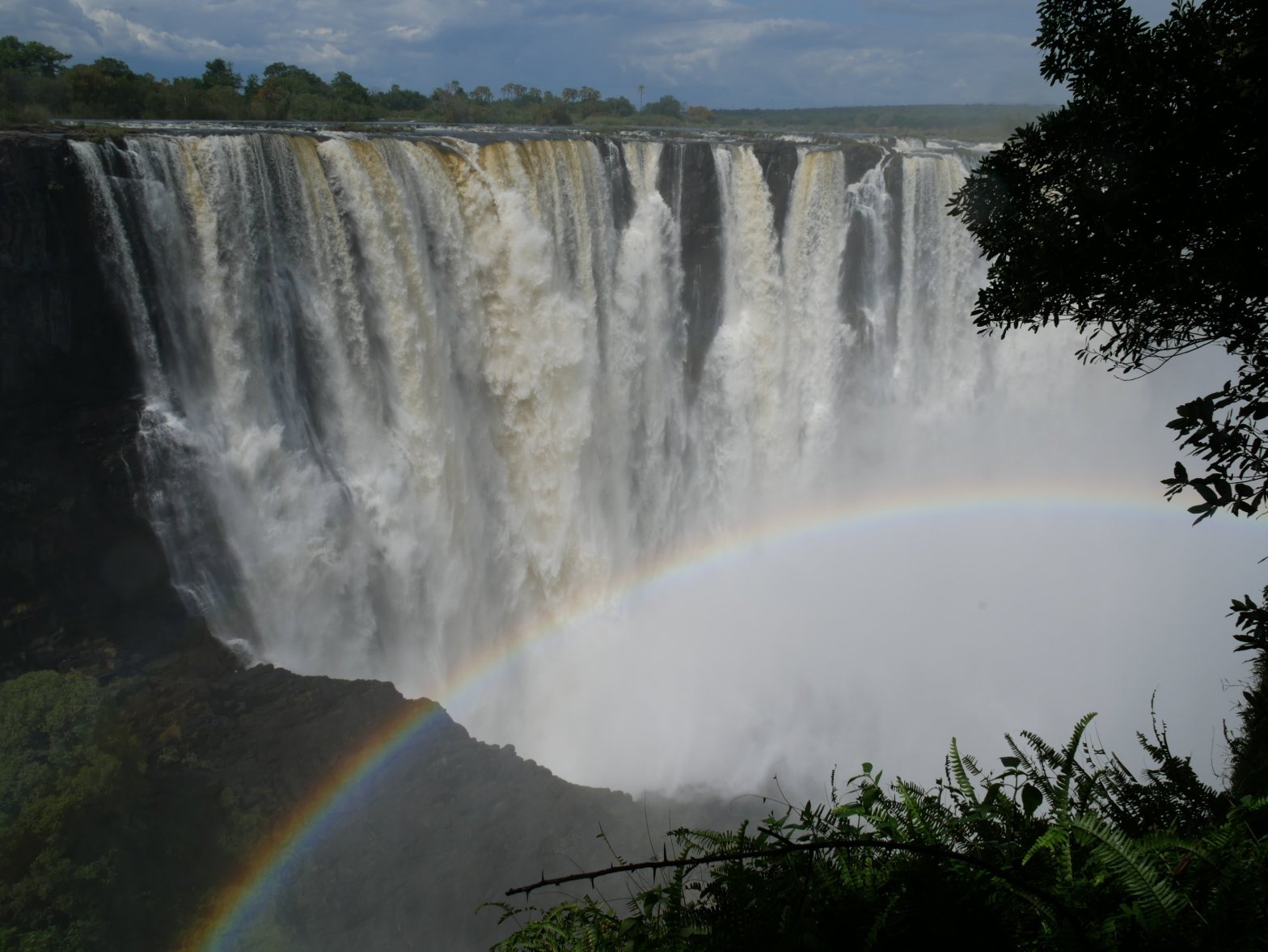
Our first sight of the falls, though it was nearly pitch black at the time!

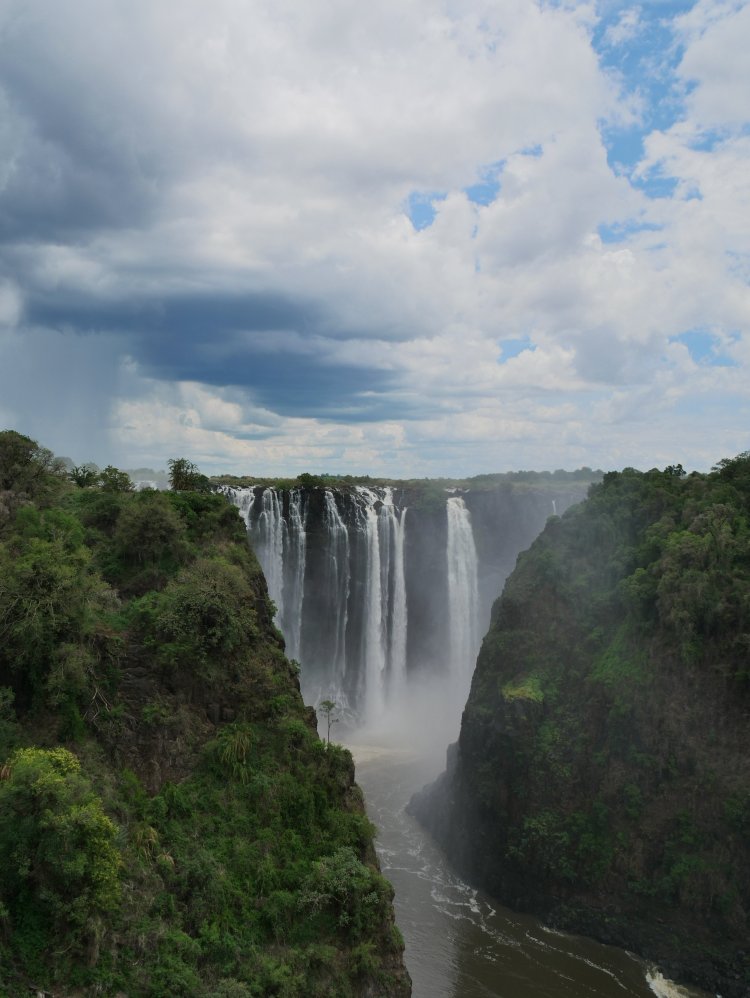
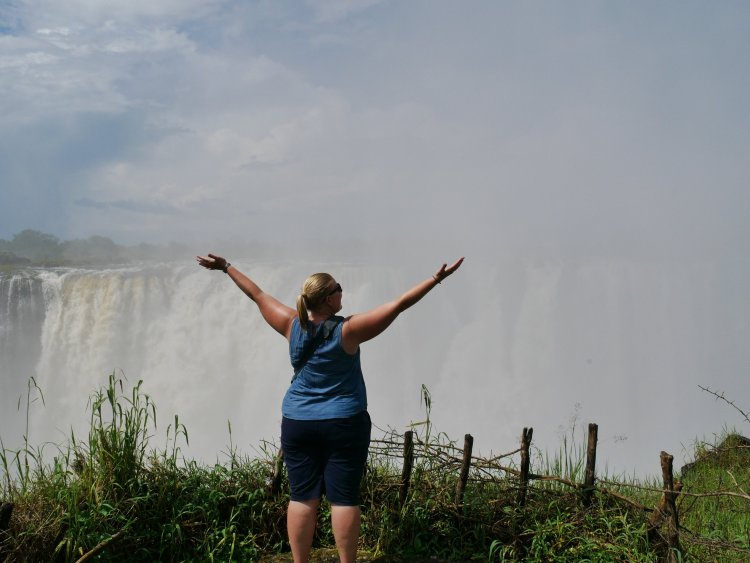
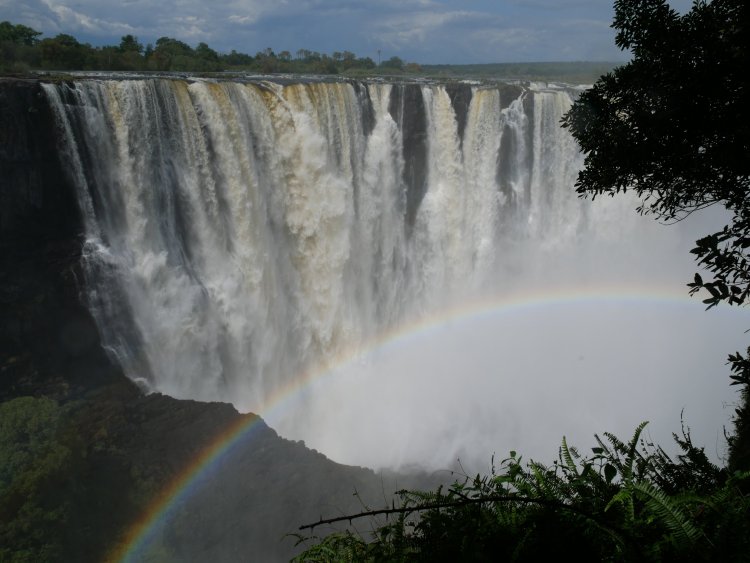
We spent three days enjoying the cute little town of Victoria Falls and the spectacular views of the falls themselves from various viewpoints around town, including within the national park itself. The mosquitos were horrific at the time of year we visited, and we were both eaten alive the first night we arrived as we crossed the bridge and waited for our visas. We also experienced what life in Zimbabwe is like at the moment, with the power being out for the vast majority of our visit.   

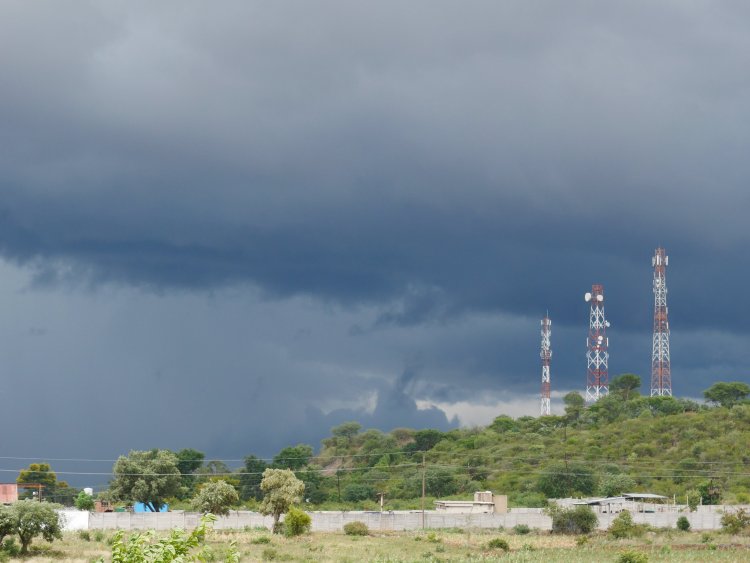
On Thursday night we took the night train from Victoria Falls down to Bulawayo. We spent most of Friday on the train as well, after it was inexplicably delayed by 6 hours, and arrived in Bulawayo in the middle of a thunderstorm and city-wide blackout.

We spent Saturday exploring Bulawayo, eating at the Indaba Book Café and visiting the Natural History Museum, which housed a lot of information on Cecil Rhodes as well as many live snakes in their snake exhibition!

We rounded out the week with one more long bus trip from Bulawayo to Johannesburg, South Africa. We booked tickets on a luxury, three seat wide, South African Greyhound bus and fully expected that all of our bus woes would be behind us by this point. While the bus seats were actually very wide and comfortable, the bus itself was seven and a half hours late leaving Bulawayo (following a breakdown on its way to Bulawayo earlier in the day) and the air-conditioning in the ‘VIP’section was not working. Coupled with the worst border crossing we’ve had anywhere in Africa, which was somehow extremely busy even at 3am, we were very grateful to arrive in Johannesburg, ending the overland part of our African adventures.

We spent our Sunday afternoon soaking in the wonders of the giant shopping mall in Sandton, a wealthy suburb of Johannesburg. Having not seen a large shopping centre like this since leaving home over two months ago, we spent a lot of time  gawking in delight at all of the shops, air-conditioning and escalators!

Favourite thing we did / biggest splurge

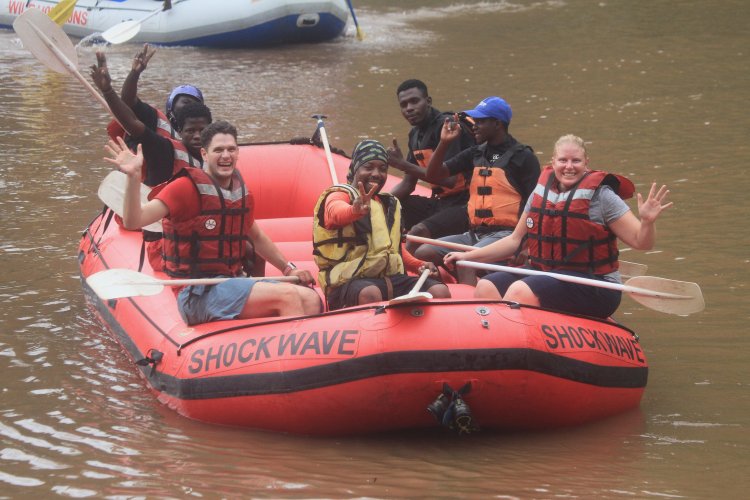
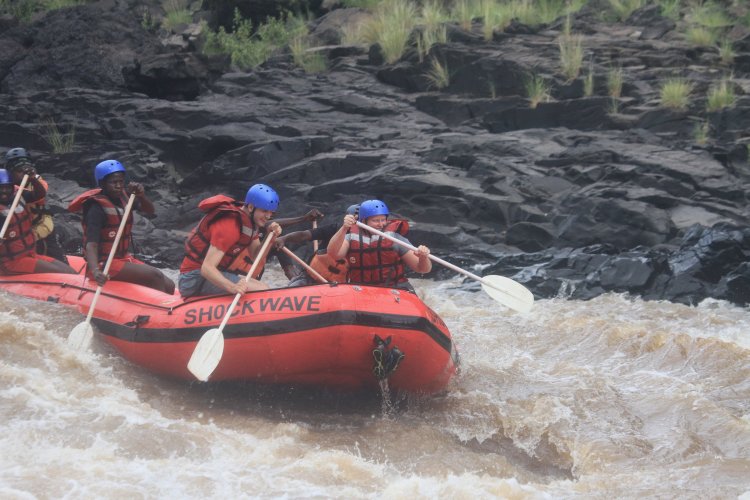
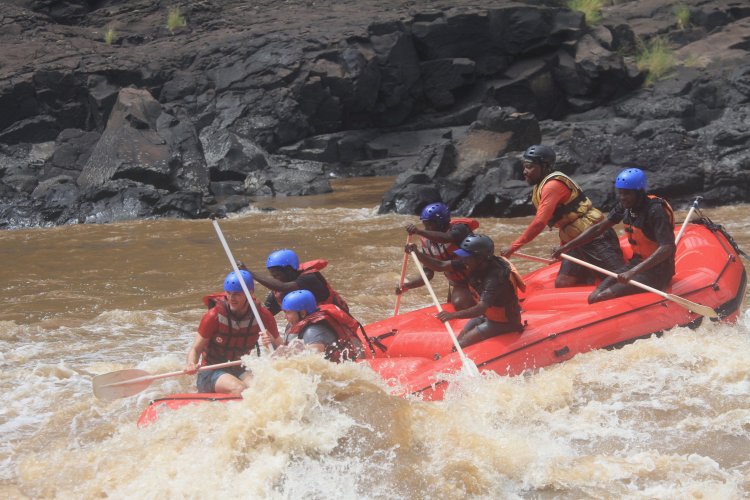
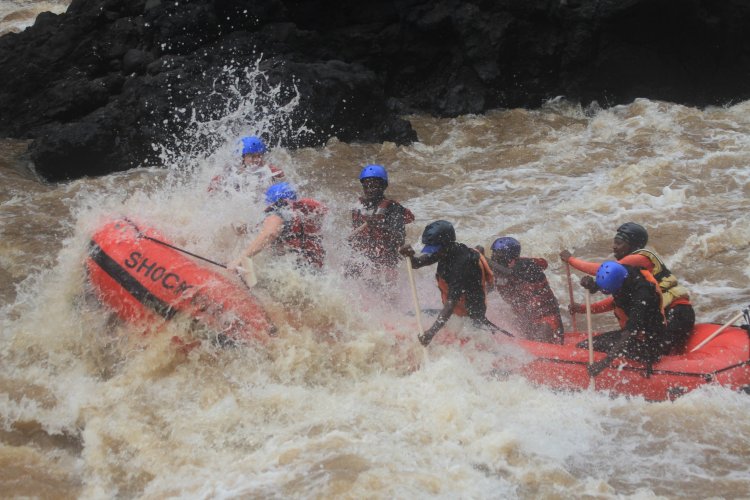
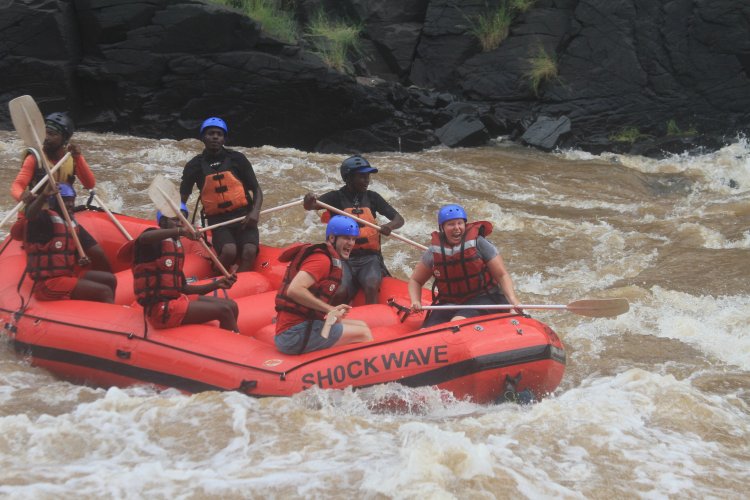
Still feeling slightly disappointed after our anticlimactic rafting trip on the White Nile, we decided to give rafting the Zambezi a crack. It was a big splurge at US$117 each plus US$30 for photos, but we had so much fun it was worth every cent! When the water is low, the Zambezi is one of the best stretches of grade V rapids in the world. The water in the gorge had risen into ‘high water season’ by the time we were there, so the rapids were mainly grade III with just a couple of VIs and Vs. It was the perfect mix of adrenaline and fun, and we had an absolute blast! We went with Shockwave Adventures and would highly recommend them if ever you are in the area – they were fabulous and even sent us out with a raft full of trainee guides after the other people scheduled to raft with us didn’t show up.

Least favourite thing we did

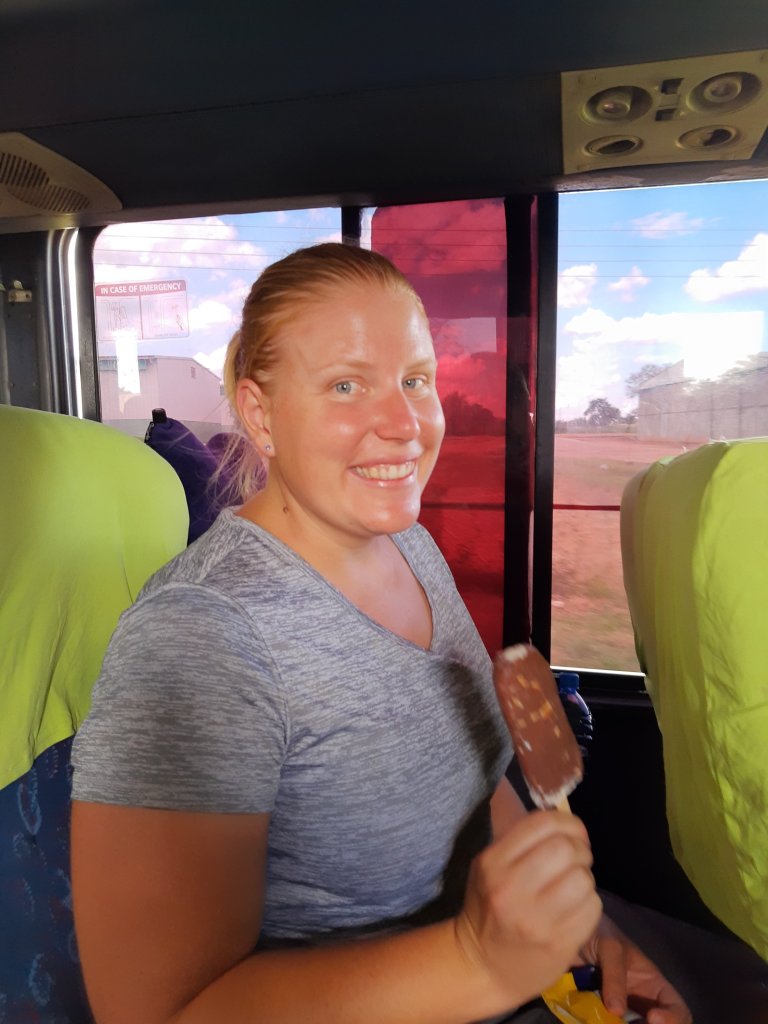
This was truly a horror week of transport, and a fitting end to the overland part of our African adventures. Kirsten nominates the bus from Lusaka to Livingstone as her least favourite part of the week. Despite booking with the bus company that was widely written up as being the best (Shalolm), we arrived at the bus station to find another 5 seat across bus with no AC – Bah! Humbug! Fooled again!! The most frustrating part was the bus station was full of plenty of other much nicer fancy coaches that looked like they had AC and were only 4 across. For entertainment we had an evangelist who got on at the terminal and rode with us to the edge of the city (particularly interesting as I would have thought Shalom was a Jewish bus company?!) Later we are joined by a travelling salesman, who spent a very long time loudly spruiking his wares (various health supplements). At one point the bus stopped and the driver announced that we are all going to get off and wash our hands. The whole bus disembarked and made a token attempt at putting our hands under some running water (but of course there was no soap) and the bus appeared to drive over some hay? We consoled ourselves with the knowledge that this was surely the last 5 across bus we are going to meet for a while, but it was a very long, hot 8 hours to get to Livingstone.

When your crowded and hot bus has no functioning AC – TREAT YO’ SELF.

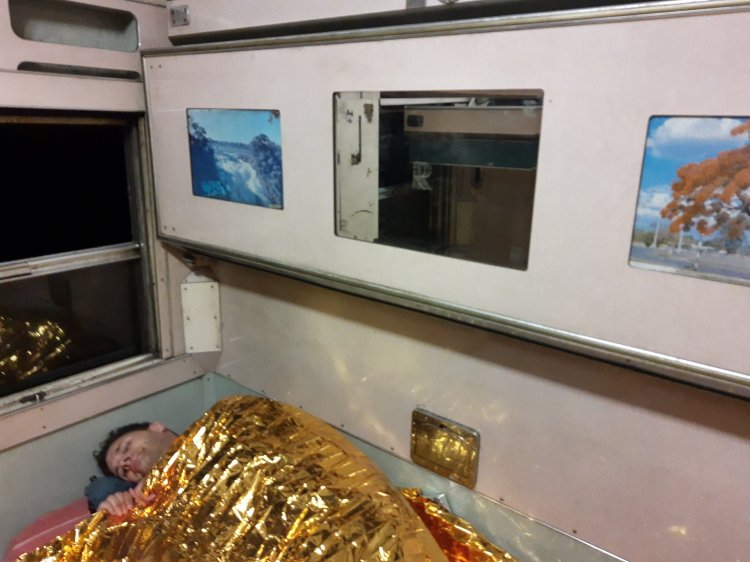
Tim nominates the train from Victoria Falls to Bulawayo as his least favourite part of the week. It was billed as an overnight train in historic 50’s Rhodesian Railways carriages. Unfortunately the upkeep of the carriages seems to have slipped considerably with Zimbabwe’s economic situation in recent years, and they were in pretty poor condition. We boarded the train to find that the mattress on every bed in our four berth compartment was torn and filthy. We had been told we couldn’t book bedding because the phone lines were down, so we each had our Turkish towel for a sheet, which we chose to sleep on top of because the beds were so filthy. But that left us with nothing to sleep under, and at the mercy of the mosquitos that flew in the open window. Tim tried to sleep under his emergency blanket for a while, but predictably that turned him into a giant ball of sweat. The 50’s era beds were also nowhere near long enough for poor Tim, who was forced to sleep at various diagonal angles all night. The other delight we discovered when eating our dinner after the train departed at 7pm, was a family of friendly cockroaches living in the wall of our carriage. They showed bold interest in our dinner, and it was hard to sleep knowing our faces were inches away from where they had been scuttling in and out of. We tried to comfort ourselves that this was just for the night, and we should be off the train and in Bulawayo by 9am. Of course, this was not to be. The train eventually pulled into Bulawayo 6 hours late at 3pm, with no apparent explanation for the delay.

Favourite thing we ate                                              

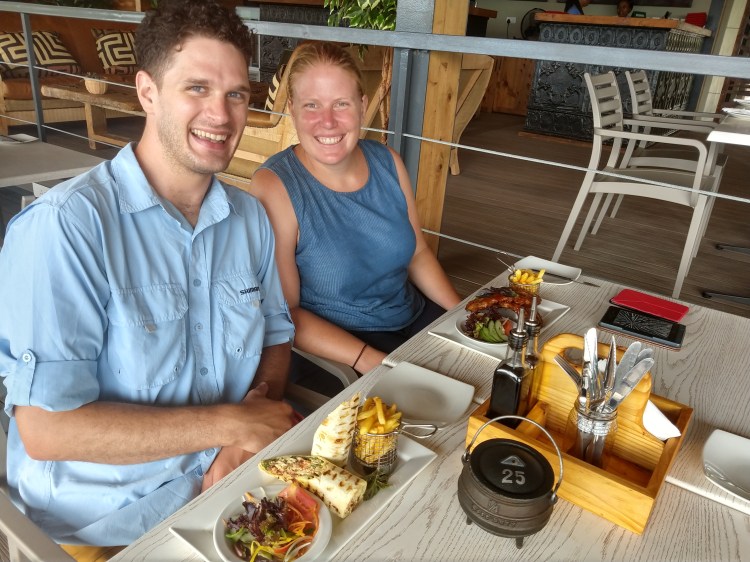
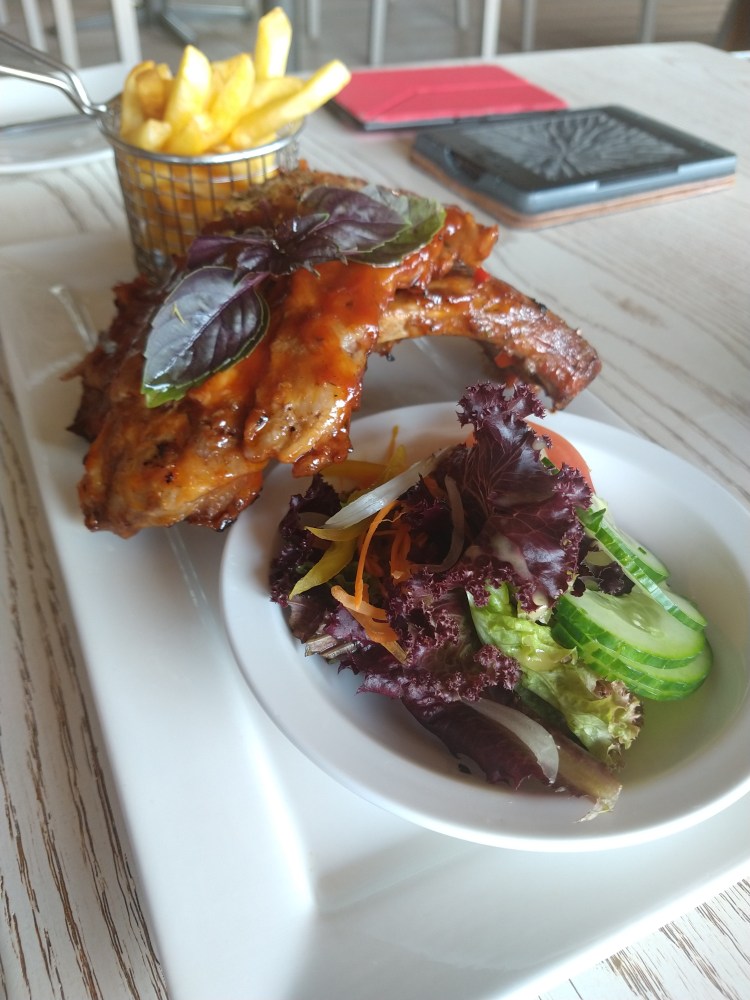
Having been deprived of western foods for so long, Victoria Falls was a bit of a shock with its delicious and familiar delights, though sadly these were all priced in US$ and therefore painful on the wallet! Our favourite meal of the week was a hearty lunch of delicious ribs and a wrap at the Wild Horizons café, situated right on the edge of the gorge. The views were spectacular, as was the food which we enjoyed while watching adrenaline junkies zipline across, often with shrieks of glee / terror!

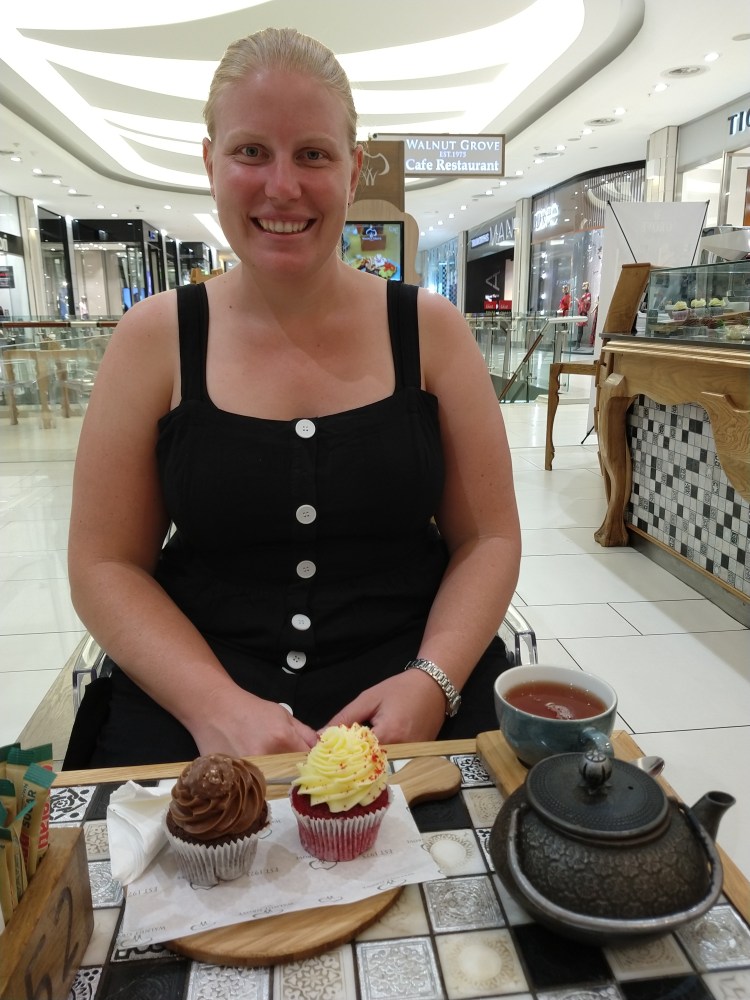
Kirsten was also delighted to discover a shop selling EXCELLENT red velvet cupcakes in the Sandton mall in Johannesburg, and is looking forward to a repeat visit when we head back there in a few weeks’ time.

Favourite thing we drank

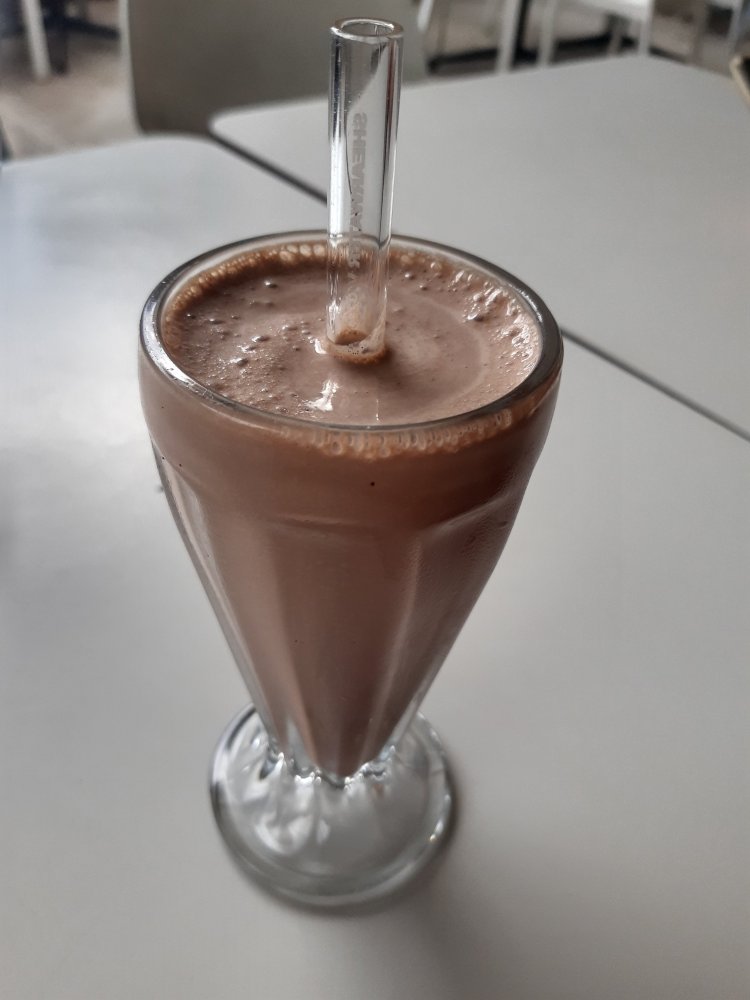
Tim joyfully discovered that they make a mean chocolate thick shake in Victoria Falls, and endeavoured to sample all of the town’s offerings to determine who made the best one. The clear winner was the Shearwater café, who also won points for their cappuccino, which comes accompanied by a shot of Amarula!

Best deal

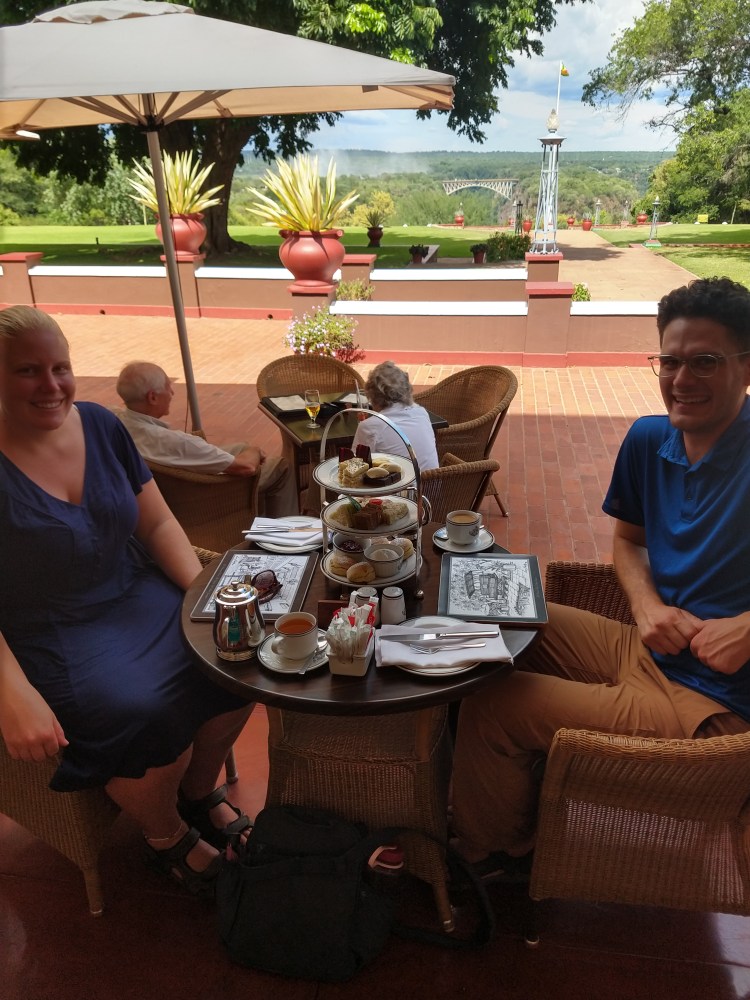
Kirsten loves a good high tea, and the majestic old world Victoria Falls Hotel is renowned for its high tea, served with views of the bridge between Zambia and Zimbabwe over the falls. The high tea here offered incredible value, at just $15USD per head for bottomless tea or coffee and three tiers of little sandwiches, scones and sweet treats.

Week 9

Tanzania – Zanzibar and Tazara

What we did

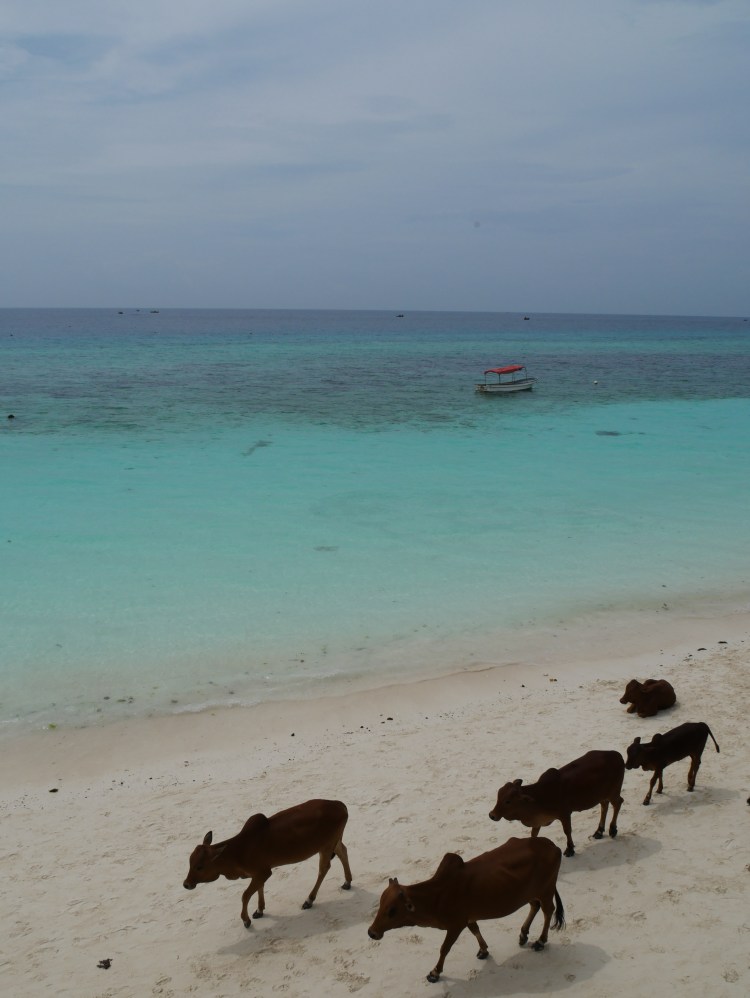
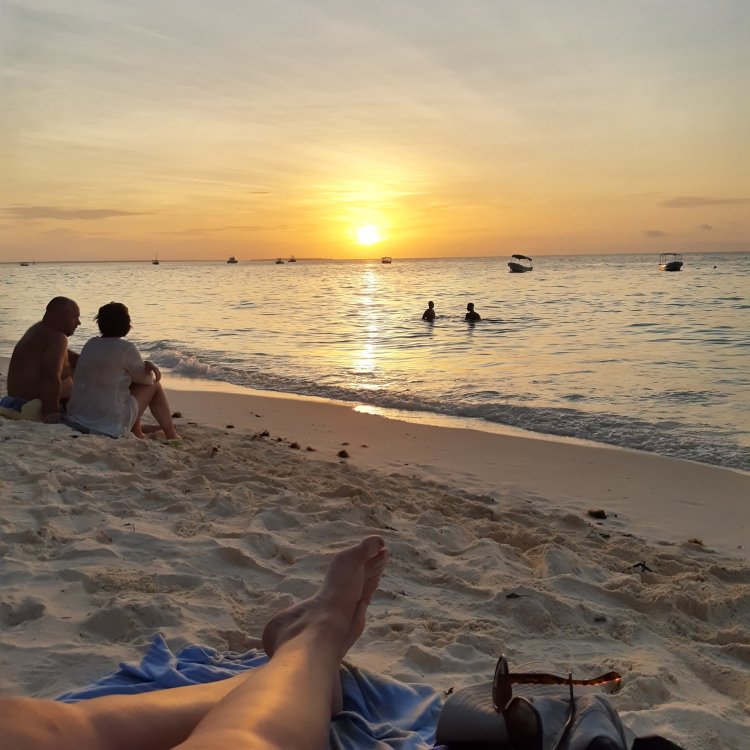
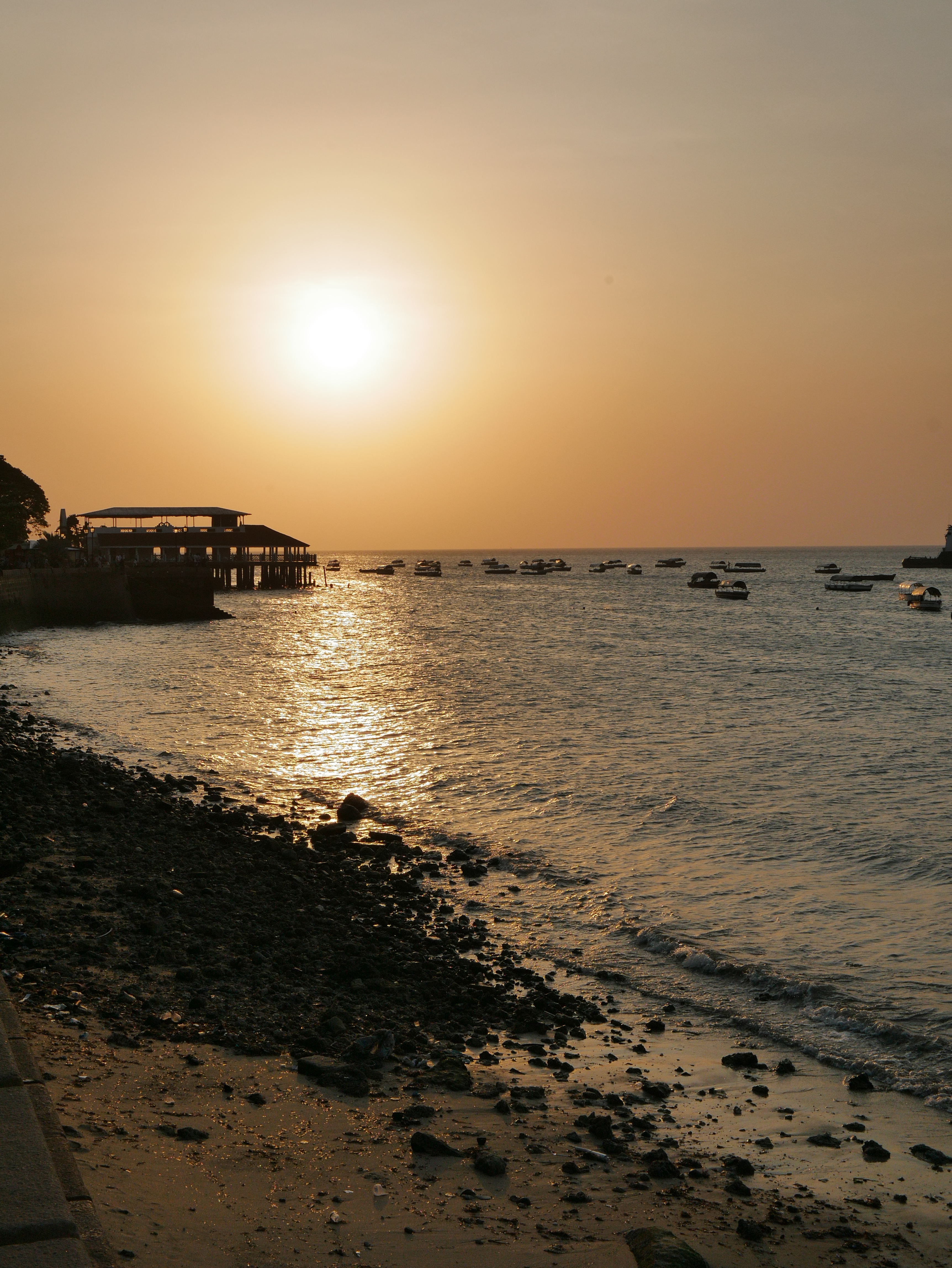
We started this week with four nights at Nungwi beach on the northern tip of Zanzibar. We spent our days lazing on the pure white sand and swimming in the crystal clear waters of the most beautiful beach we’ve ever seen in our lives. Every evening we watched the sun set over the Indian ocean with a cocktail or a beer, whilst fending off touts offering taxi services, tours and cannabis (not canapes Kirsten!)

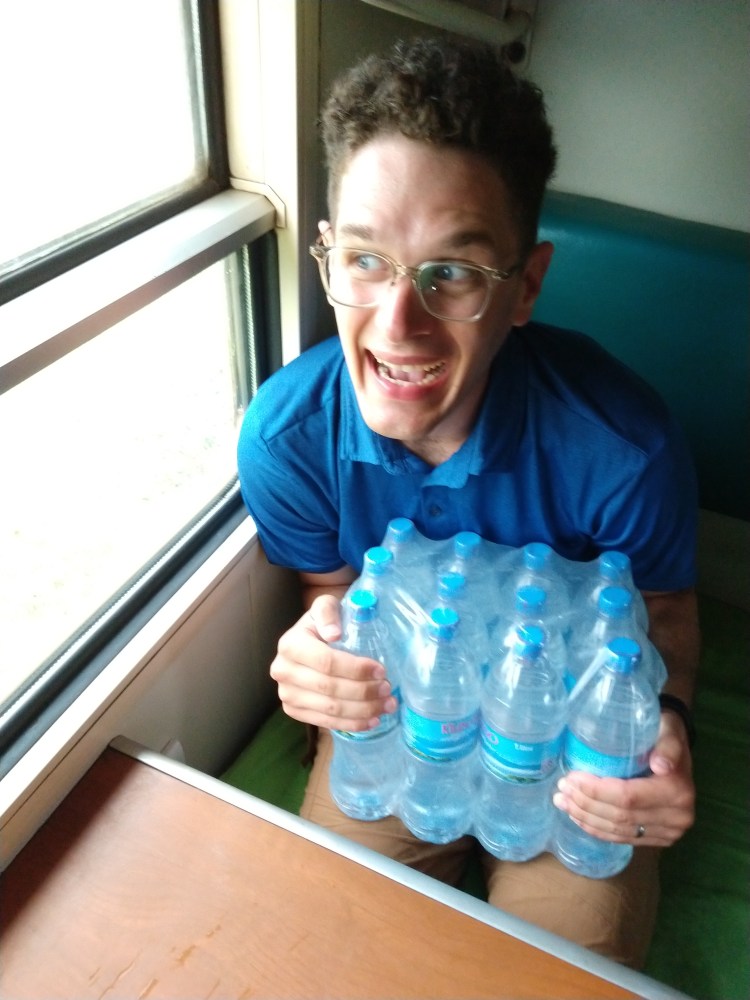
When our time in Zanzibar came to an end, we caught the ferry back to Dar es Salaam to prepare for the Tazara train – an epic journey of 1860km, all the way through Tanzania to Kapiri Mposhi in the middle of Zambia. We enjoyed a return visit to our Airbnb hosts in Dar and to our favourite Indian restaurant, and stocked up on snacks, wet wipes and 12L of bottled water for the 2-3 day train journey ahead (the train has a reputation for running at least a day late).

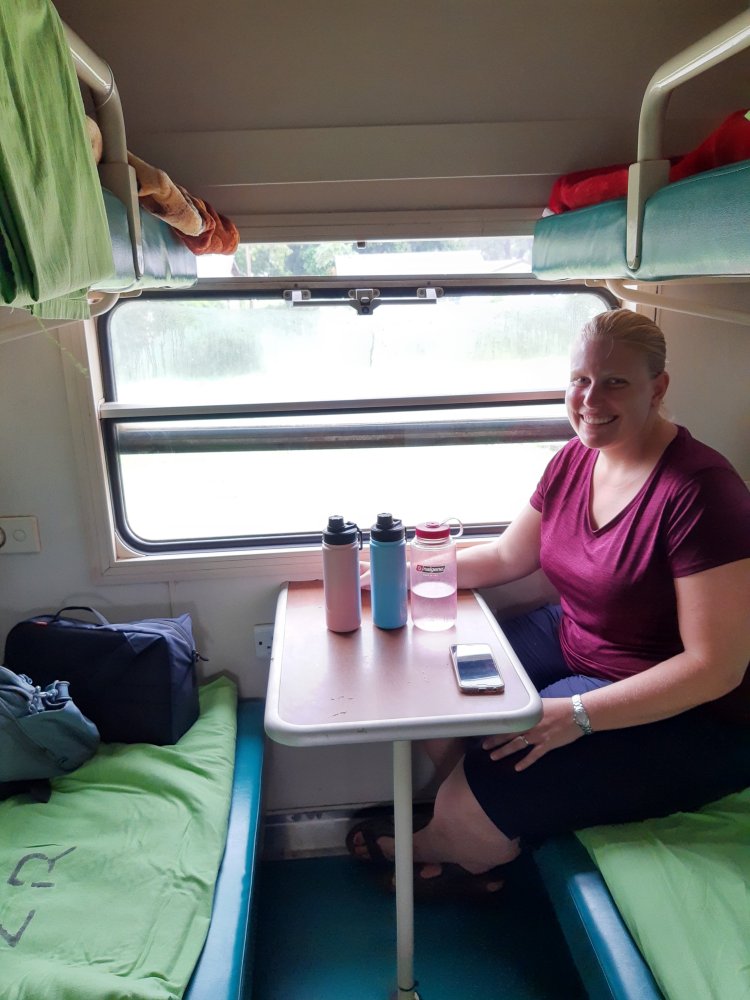
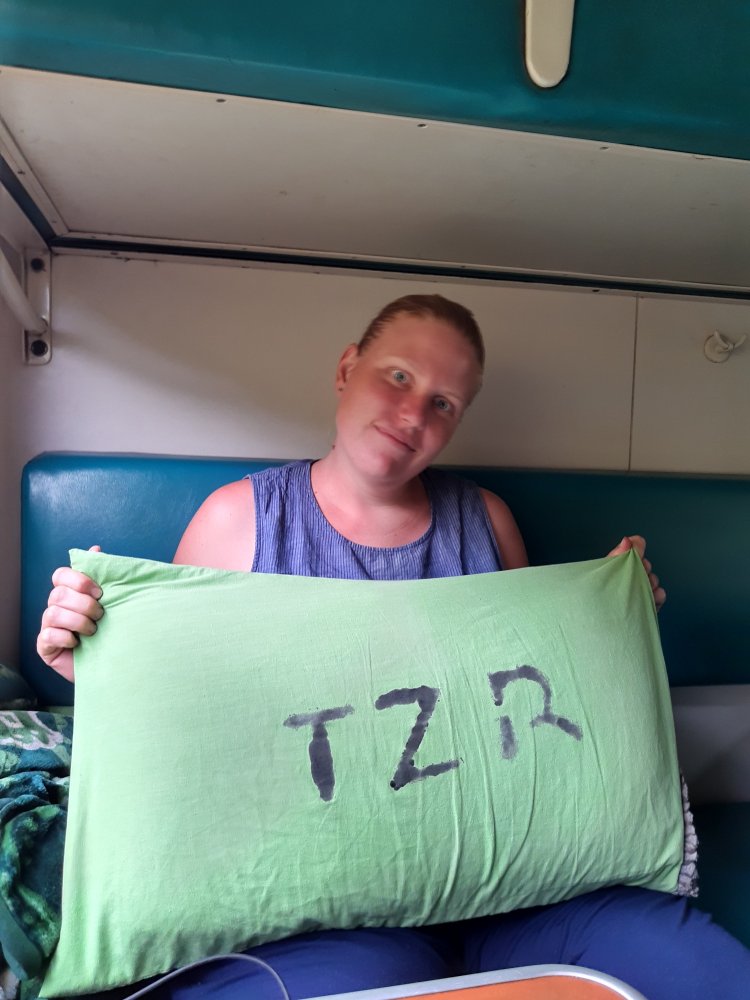
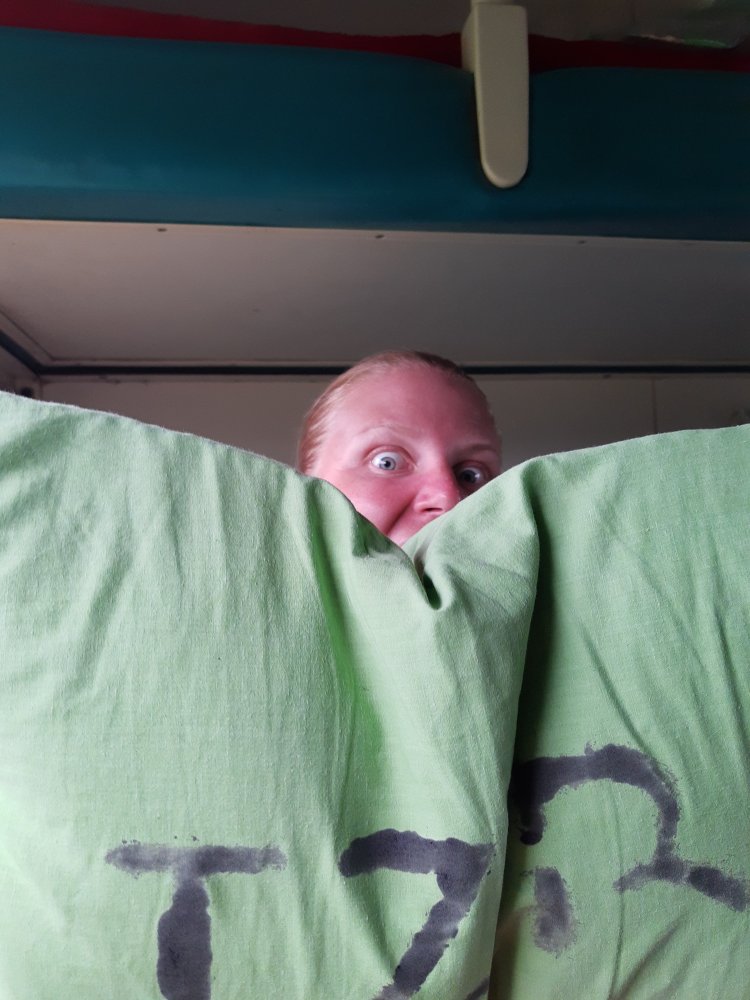
On Friday afternoon we boarded the Tazara train and settled into the 4 bed compartment that was to be our home for the next few days. The train was a pretty decent Chinese train, though the bedding was all stamped TZR in big black letters, reminiscent of something you would see in a prison movie.

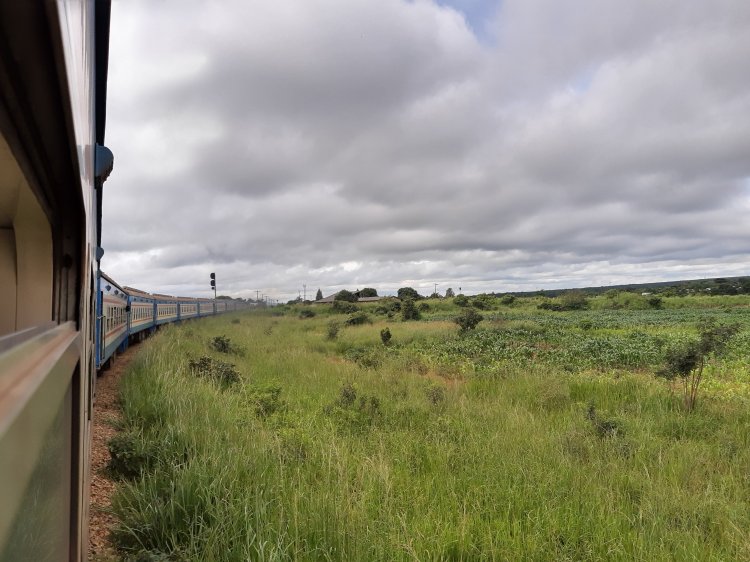
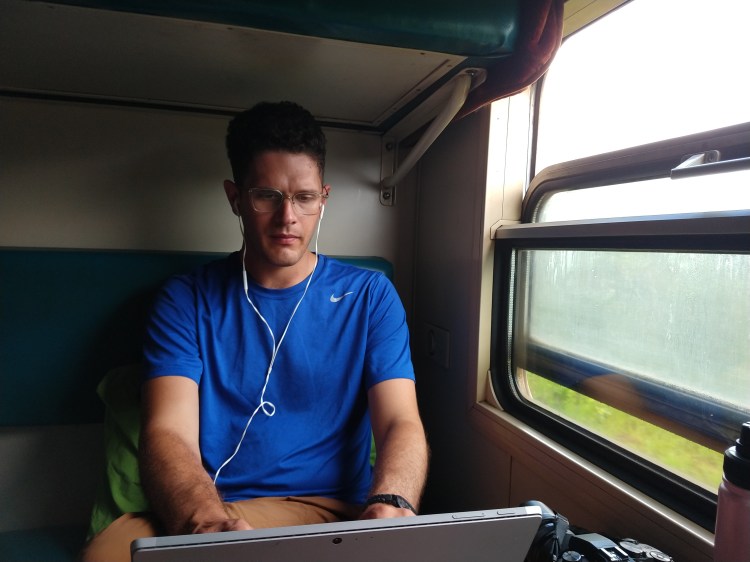
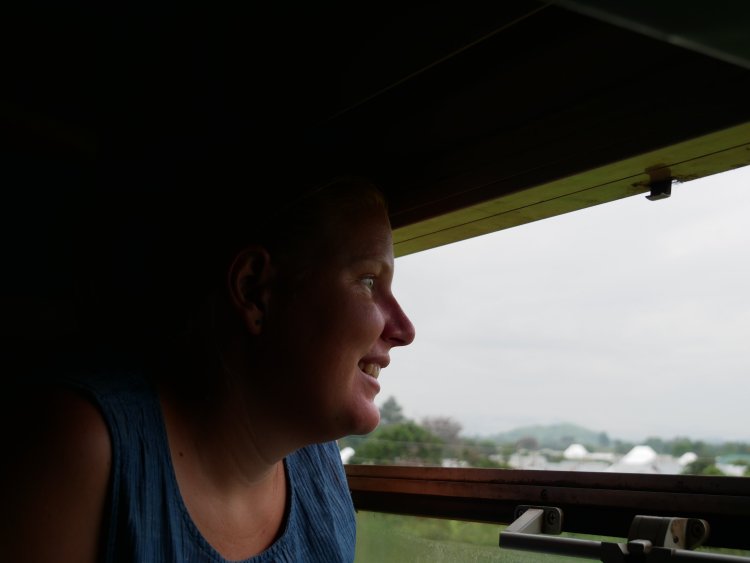
The Tazara train ride was a lot of fun. We spent the days reading, writing for the blog, chatting with other passengers and staring out the window at the ever-changing countryside. We sampled all of the meals on offer in the dining car (really only chicken or beef with rice or ugali, with less and less options as the journey went on) and the cheap beers, which were inexplicably much cheaper in the Zambian currency as soon as we crossed the border.

The only downsides were that the fan in our compartment didn’t work, and our compartment was next to the toilet, and rather undelightful smells wafted through our open window every time someone paid it a visit (it’s the kind of train where you can’t use the toilet in a station because the toilet goes straight out onto the tracks).  

The second afternoon our trip became much more interesting when Tina, an African American lady from the deep South, boarded the train and stuck her head into our compartment with a quizzical look and a curious tilt of the head, enquiring “how y’all doin?” For the next day and a half Tina kept us in fits of laughter as she regaled us with tales about her adventures in Africa so far, in which it quickly became clear that she did not suffer no god-damn fools lightly!

The train crossed the border into Zambia late on Saturday evening, with immigration officials boarding the train on each side to stamp our passports. On the Zambian side we all needed to purchase visas, with some of our fellow passengers coming unstuck when the immigration officials refused to take Tanzanian shillings or Zambian Kwacha, and would only accept US$ for the visas. We had plenty of US$ on us, having stocked up for Zimbabwe, and found it hilarious that the Australians were bailing out the Americans on our train with their own currency!

The train finally arrived in Kapiri Mposhi, a small town in the middle of Zambia, a little after 6pm on Day 3. We aren’t actually totally sure how late we were, because there seemed to be conflicting information about what time we were meant to arrive. The consensus is we are between 5 and 9 hours late – which is not too bad in the scheme of things.

From Kapiri Mposhi it was still a further 3 hour drive to the capital, Lusaka, and we were glad to have arrived in time to be able to make it through to Lusaka that night. We shared a taxi to Lusaka with our new friends Tina and Jeremy – a bit of a squishy ride in a car that definitely had inadequate suspension for the load of Americans and Australians and their baggage it was now carrying (it bottomed out over every speed bump, and there were many speed bumps). Tina sat in the front and did an excellent job of making sure our driver (who we nicknamed ‘speedy mc nugget’ because he liked to go at 110km per hour when the speed limit was 60) didn’t kill us. We finally arrived in Lusaka around 10pm on Sunday night, very ready for a well-earned shower and a good sleep in a stationary bed.

Favourite thing we did

We spent our last full day in Zanzibar on a snorkelling trip to the magnificent coral reef off of Mnemba Island off the east coast. The island itself is a private resort, which you can’t come within a hundred metres of, but the coral and immense variety of aquatic life that sits just off the island draws dozens of boatloads of snorkelers. The beautiful coral reef was full of a breathtaking array of different kinds of fish and aquatic life. We even saw some pods of dolphins on the way out!   

Favourite thing we ate                                              

We were in Zanzibar at the hottest time of year, so it was only logical that we required daily samples from the local gelato shop to cool us down. We were still in our post-Kili ‘treat ourselves’ phase, so these felt like a well-earned treat and good chance to get out of the afternoon sun, as well as being delicious to boot!

Favourite thing we drank

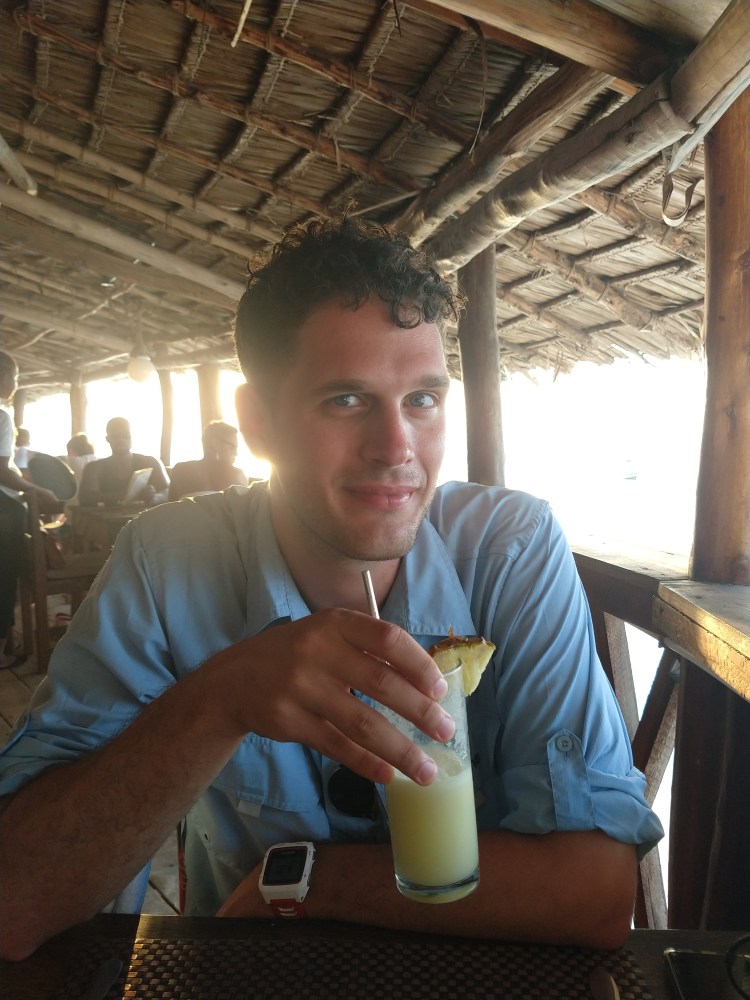
A couple of pina coladas was the perfect accompaniment to the beautiful sunsets here every night. If this isn’t the place for pina coladas then where is?!

Biggest splurge

Zanzibar… every minute of every day… it was a very pricey place! Eating out seemed to cost an exorbitant amount here, although the quality of the food was often pretty average for the price.

Cheapest meal

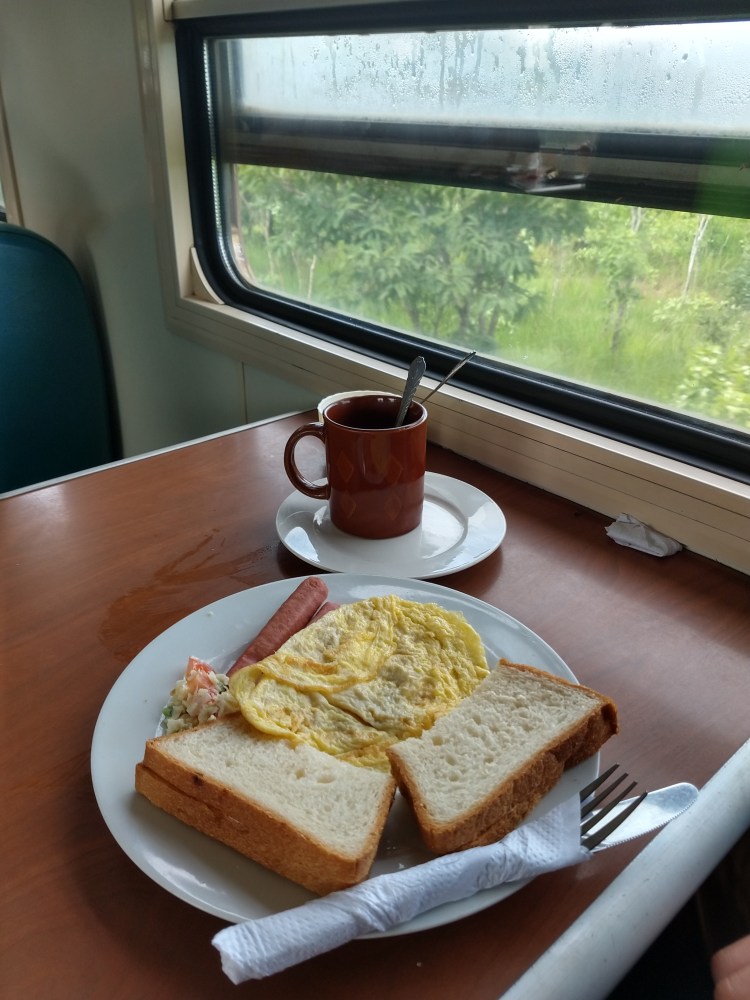
I don’t know if you’d necessarily call it a bargain, but the meals on the Tazara train were definitely cheap, especially after Zanzibar! Breakfast included toast, omelette and sausage (or any combination thereof) and lunch and dinner were beef stew (two dry chunks of beef) or chicken with rice or ugali. Everything cost less than $3, even if the quality was mediocre at best.

Week 8

Tanzania – Zanzibar

What we did

Bit of a combination of week 7 and 8 here as we’ve been a touch shellshocked after Kilimanjaro and just needed some rest and recovery. Thankfully, we have been in the perfect place for just that – Zanzibar. After leaving Moshi via bus on the Saturday before last, we made our way into Dar es Salaam. We had a comfortable night there, staying in an Airbnb with a lovely Indian family, near to the docks. On the Sunday morning we caught the fast ferry with Kilimanjaro Express across the waters to the island of Zanzibar.

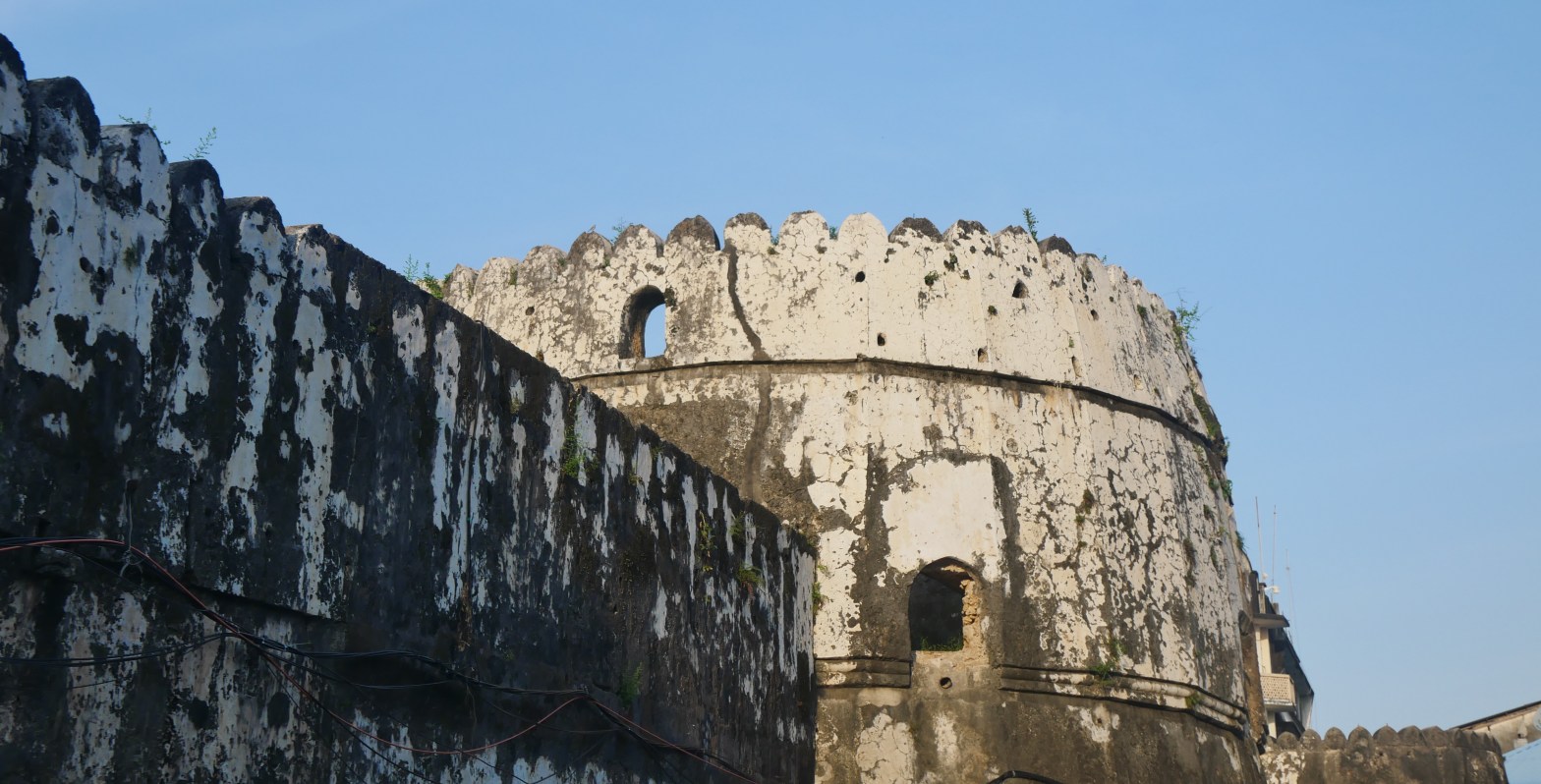
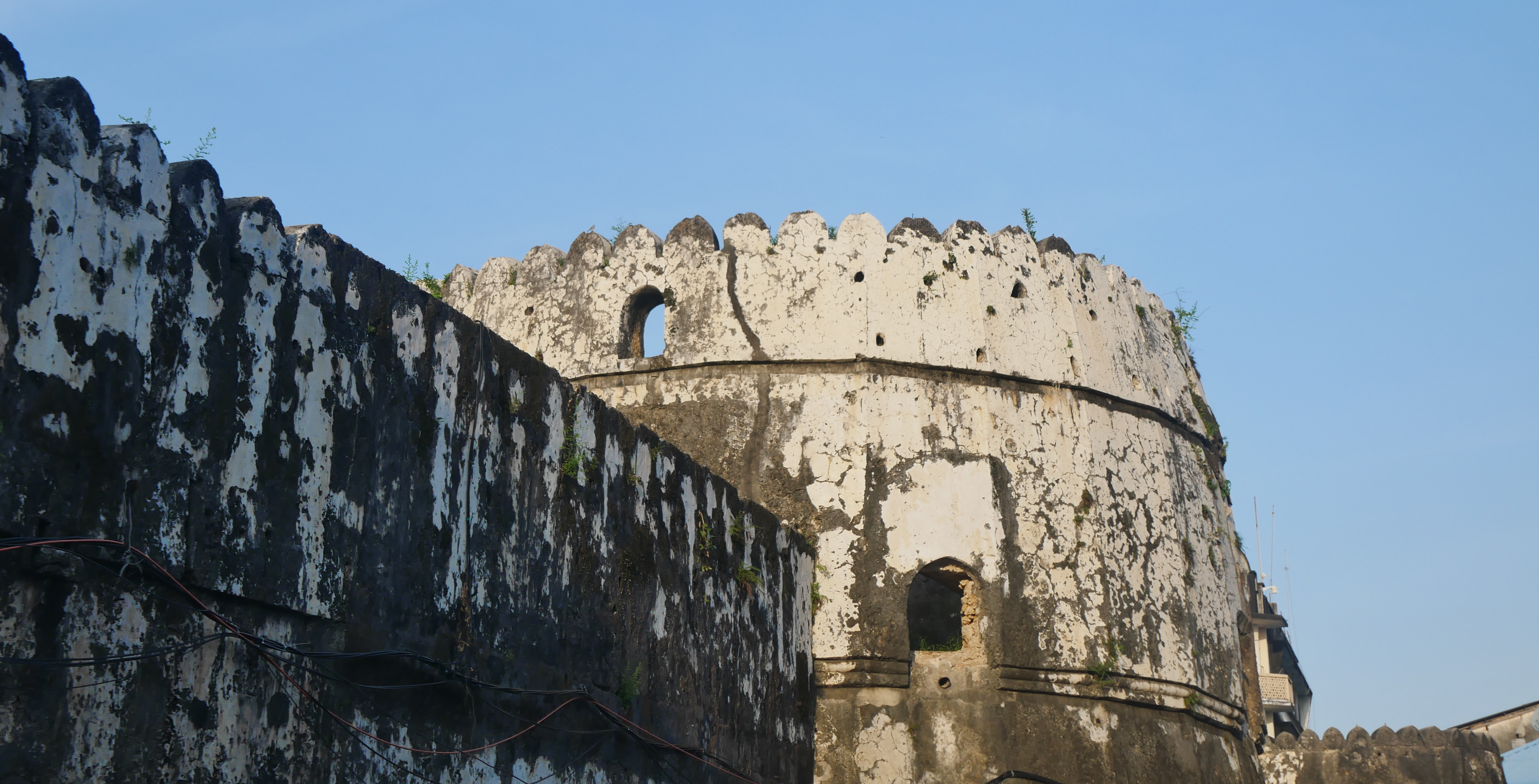
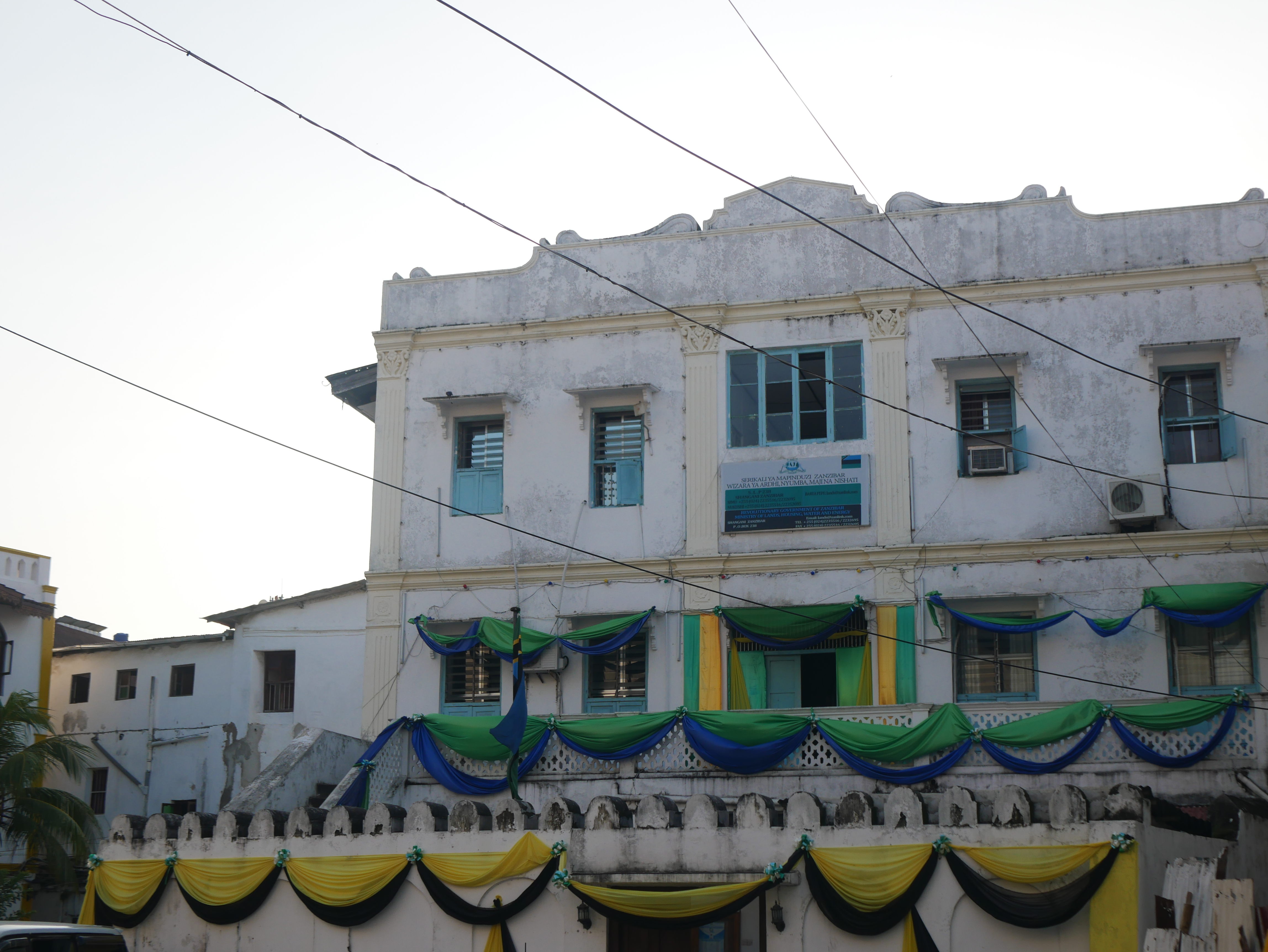
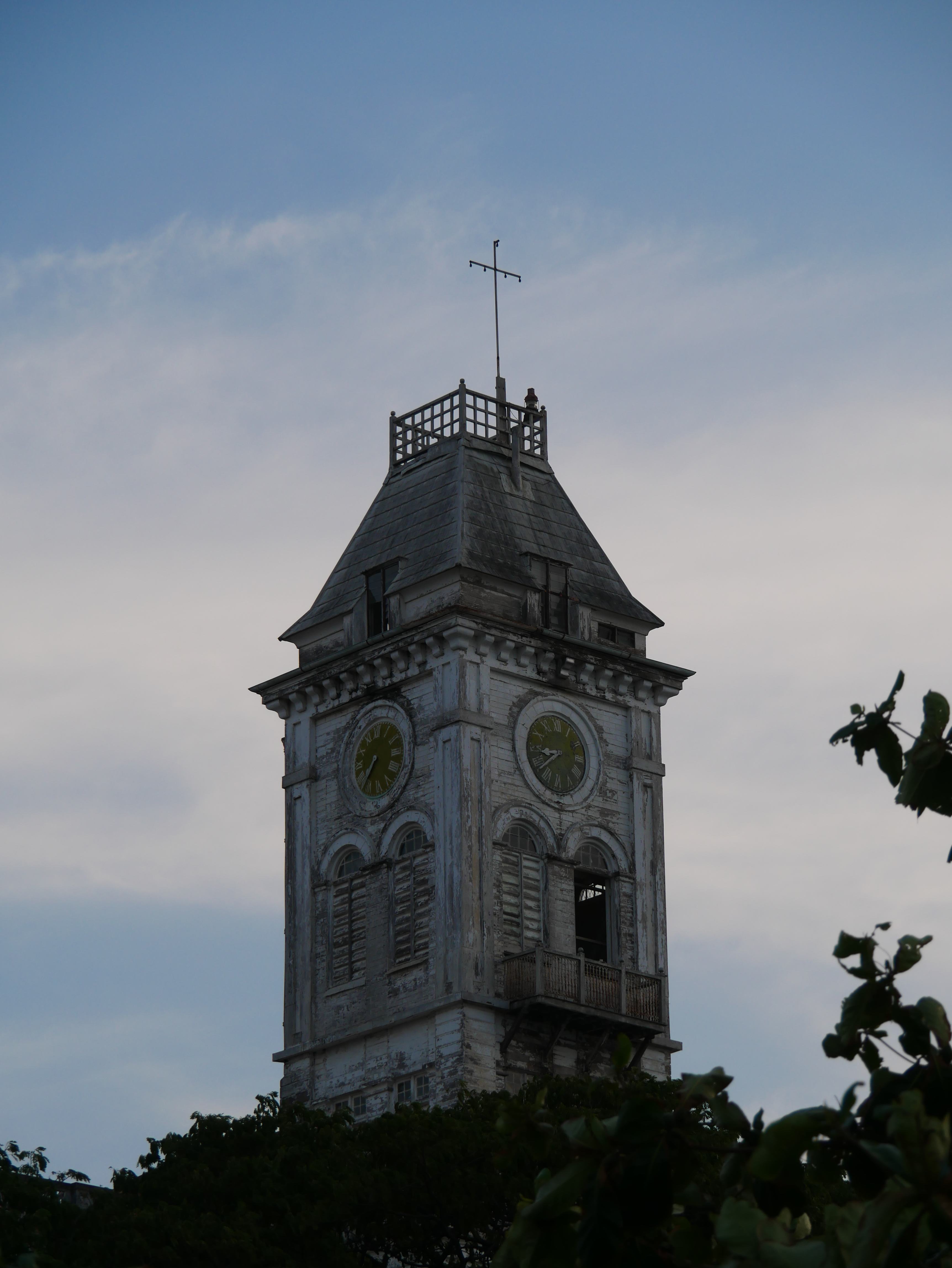
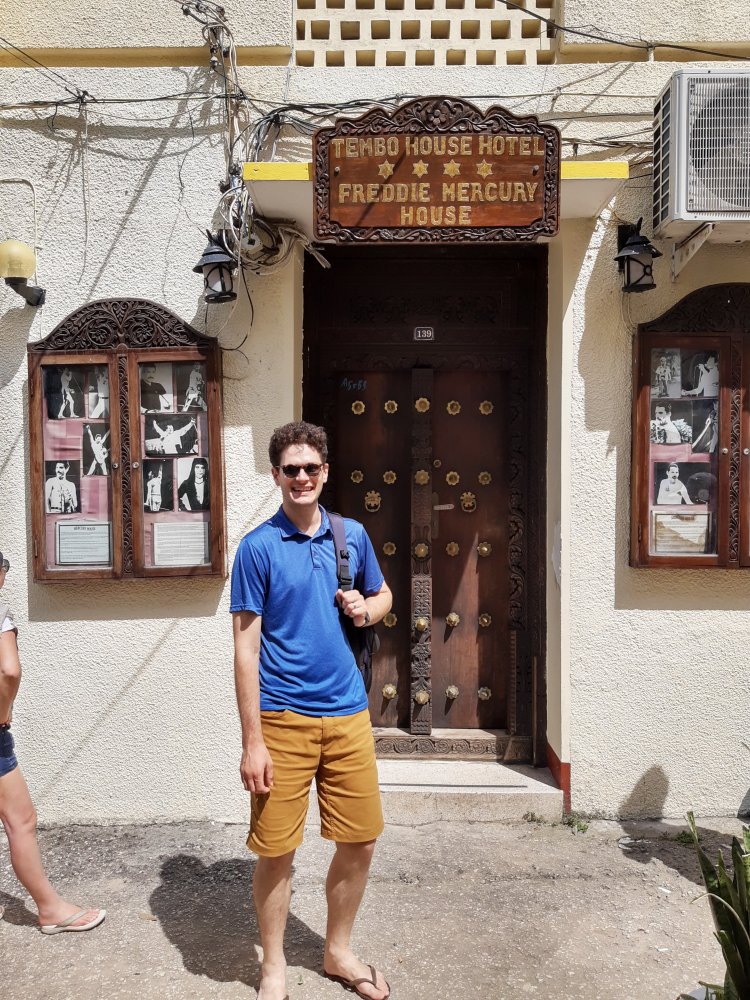
We had ten days planned there, starting with the historical Stone Town in the south west of the island. Stone town is a fascinating place, steeped in history and sadness. It is where so many souls forced into slavery, were shipped to, surviving horrific conditions upon the slavers’ dhows, only to then be auctioned for sale to the highest bidder in the squares of Stone Town. Now a tourist paradise, it is brimming with shops, cafes, seaside markets and a few museums.

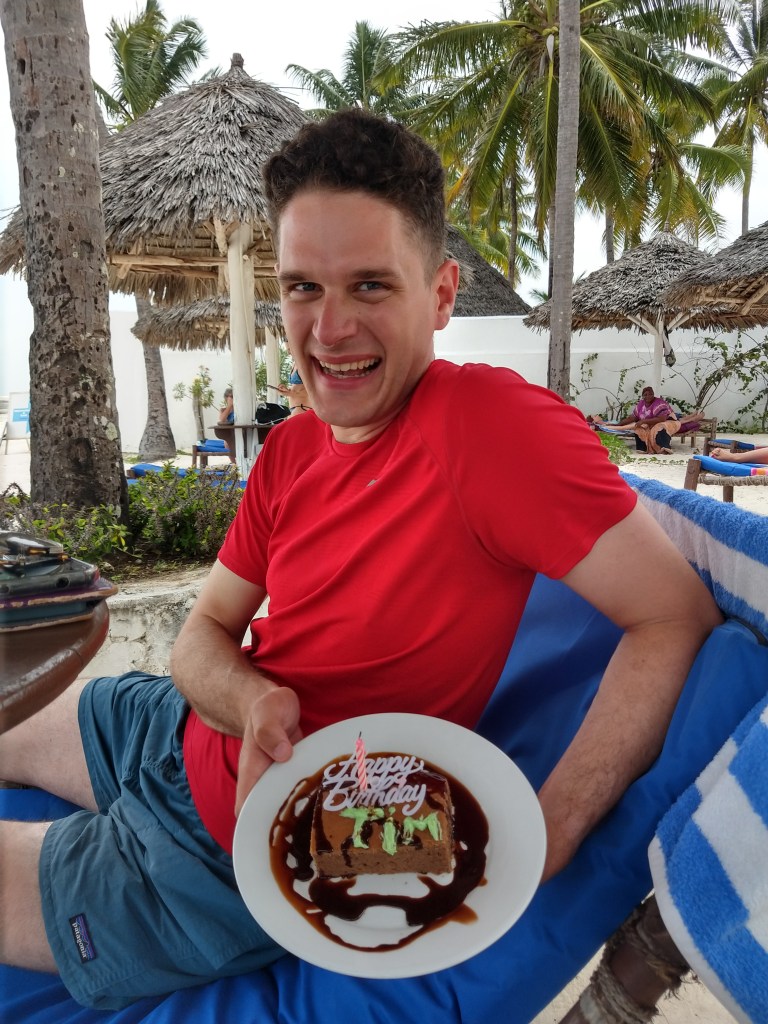
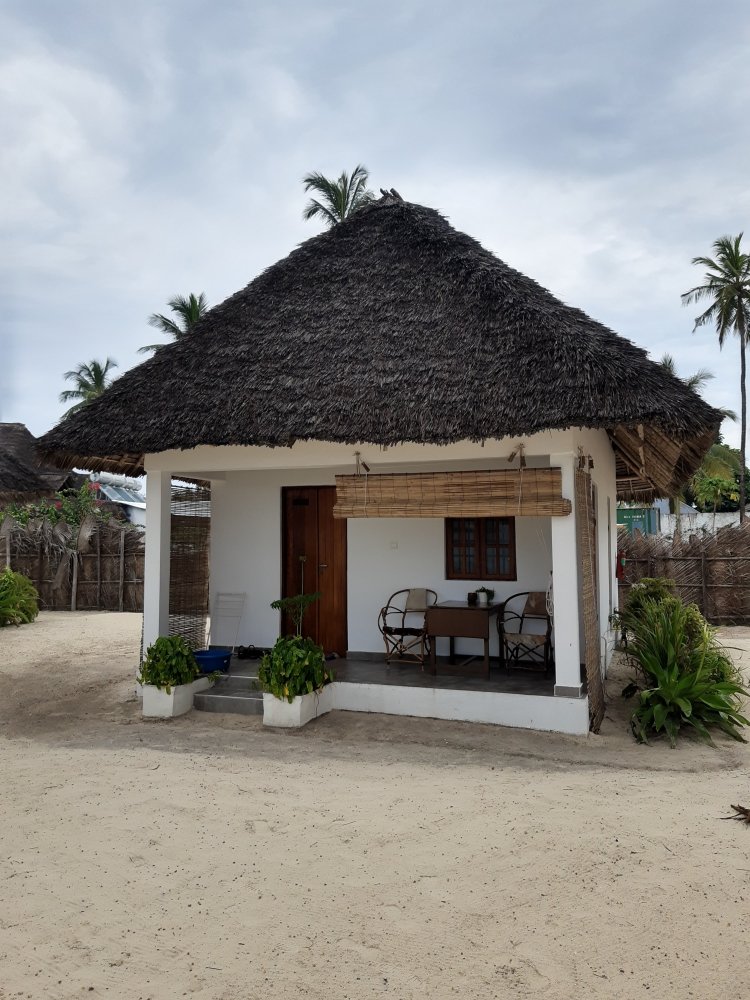
After a few days of gelato and tasty dining experiences, we moved on from Stone Town to our next destination, Jambiani, on the East coast of the island. We had three nights booked here at the idyllic Savera Beach Houses. With a small beachfront villa all to ourselves, we had a few vey lazy days of reclining on sunbeds, a few good books to devour, several cocktails to drink and cake to eat on Tim’s birthday, which also happened to be in this little window.

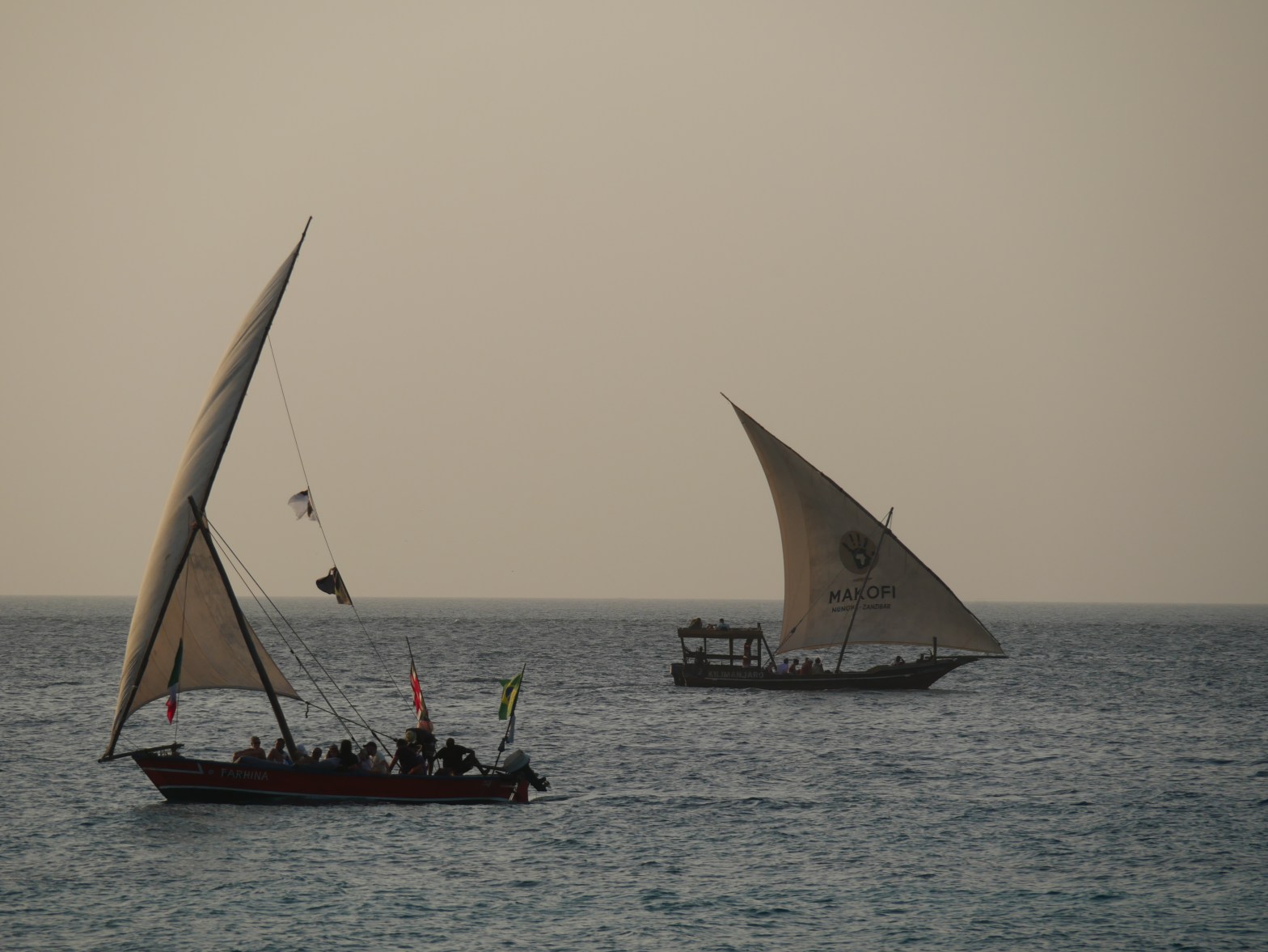
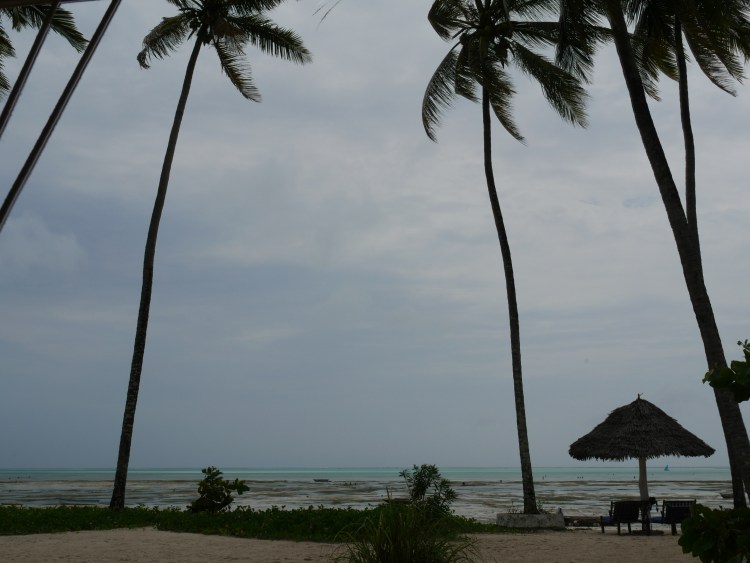
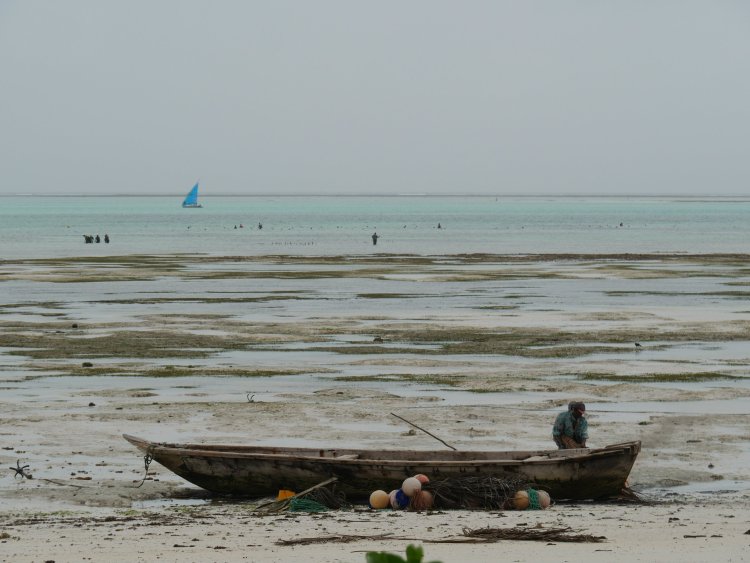
The tide on this side of Zanzibar is quite dramatic in its ebb and flow. The water’s edge retreats several hundred metres back across the rocks and coral. Jambiani is a bit more sheltered from the waves than the neighbouring beaches, thanks to the wall of coral reef that sits around 500 metres back from the high tide line. It’s a beautiful sight at all times, though – low tide sees it full of coral and seaweed farmers, whereas high tide is crowded with passing dhows.

Favourite thing we did

While just laying back with a good book on a beach chair is our personal version of heaven, eating gratuitous amounts of cake is a close second. For Tim’s birthday we caught a taxi from our hotel to a nearby café that had a few varieties that we sampled – lemon meringue, classic chocolate, banana, passionfruit cheesecake. We got back to our hotel a little later, only to be surprised by the hotel staff who – with a delightful song and dance – presented us with a huge slice of chocolate cake. The name ‘Tim’ was scrawled onto it in lime green icing, as though Hagrid himself had put his deft hand to the task.

Least favourite thing we did

The bus from Moshi to Dar es Salaam was a bit of a horrid experience. On the recommendation of one of our guides from Kili, we booked two seats on the BM Coach. Looking them up online, they seemed like a sure thing, with their VIP range buses being just three roomy seats wide, with air conditioning and onboard toilets. What showed up the morning of our departure was the two by two seater however. There was air conditioning, an onboard toilet even, but the leg room was the worst we have seen on any full-size coach ever. What was meant to be a ‘luxury’ vehicle was a pretty far cry from it – and coming off the back of our traumatic experiences on Kili, was not what the doctor ordered. Thrown in for extra fun was some blaring pop music video channels and a rather insensitive passenger who left the empty seat next to him (the one in front of Kirsten) fully reclined for almost the entire trip, and refused to put it upright when we asked because ‘he was planning to sit in it later’. The best part was the loud beeping noise coming from the control panel (like the noise a car makes when you haven’t put your seat belt on, but louder) which continued for the ENTIRE 10 HOUR JOURNEY. It was almost more than we could bear in our fragile post-Kili states.

Favourite thing we ate                                              

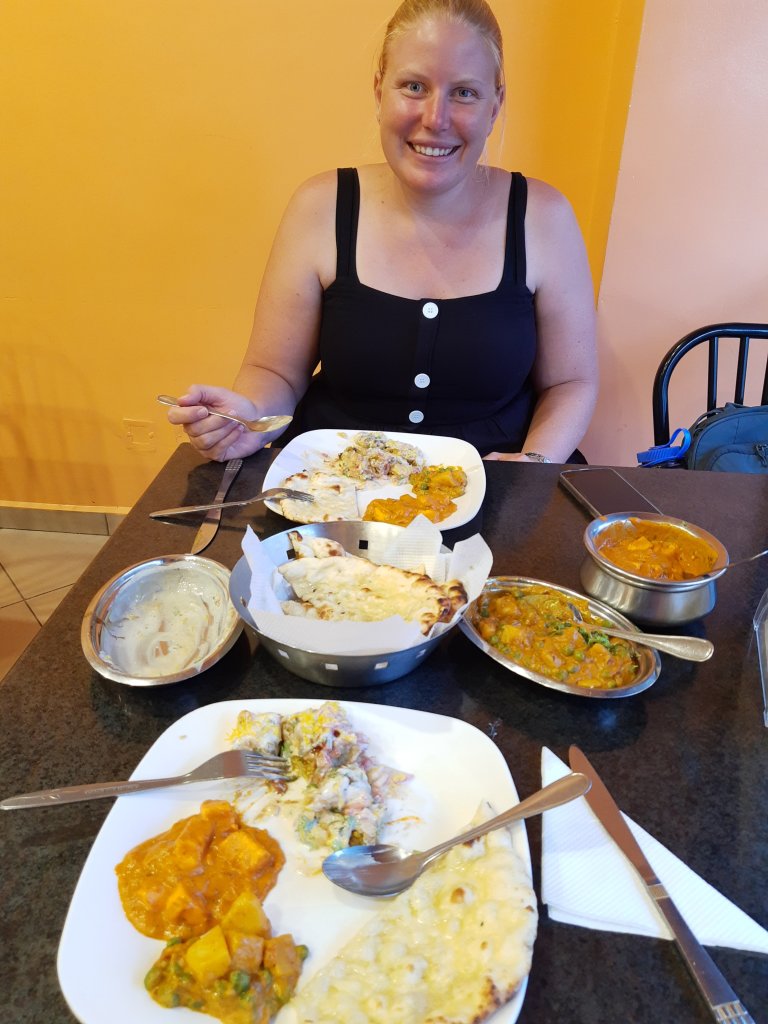
In Dar es Salaam, on the advice of our Airbnb hosts, we visited a vegetarian Indian restaurant just down the road from their place called Swastik. A pretty nondescript joint both inside and out, we placed our orders with little idea what to expect. Almost as soon as we had ordered, the place began to fill up quickly with locals – reassuring us we had made the right call. Within minutes, our food was arriving. First course; Samosa Chat, followed by Paneer Butter Masala accompanied by healthy portions of cheese and garlic Naan. It was the first time post-Kili that we had actually enjoyed a meal, and we will definitely be hitting the place up again on our return from Zanzibar.

Favourite thing we drank

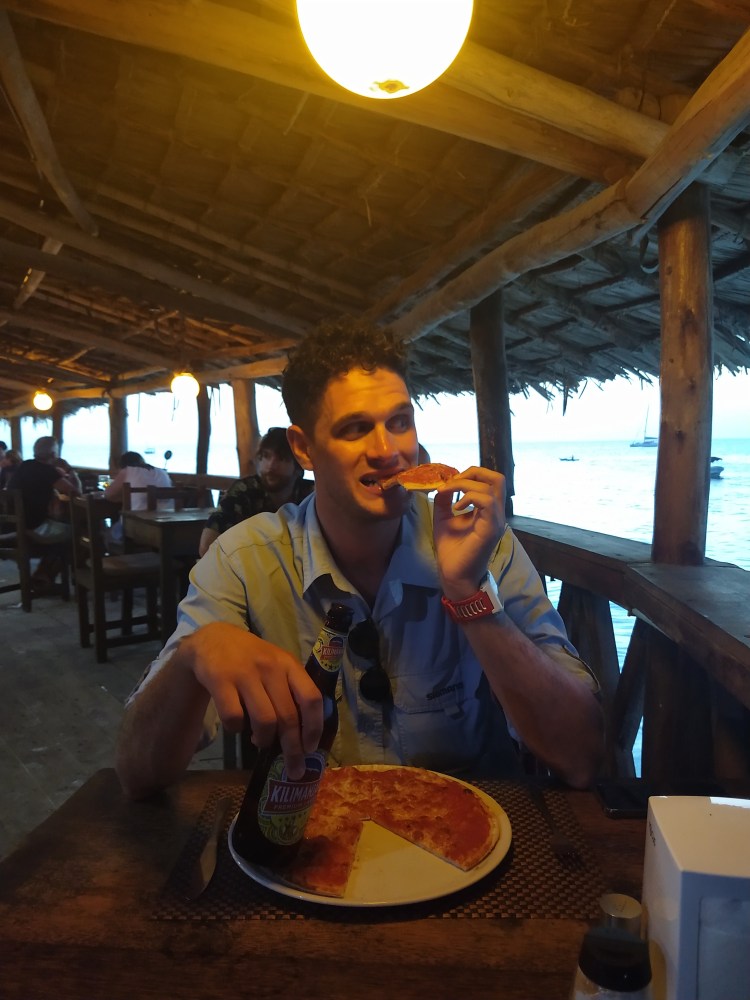
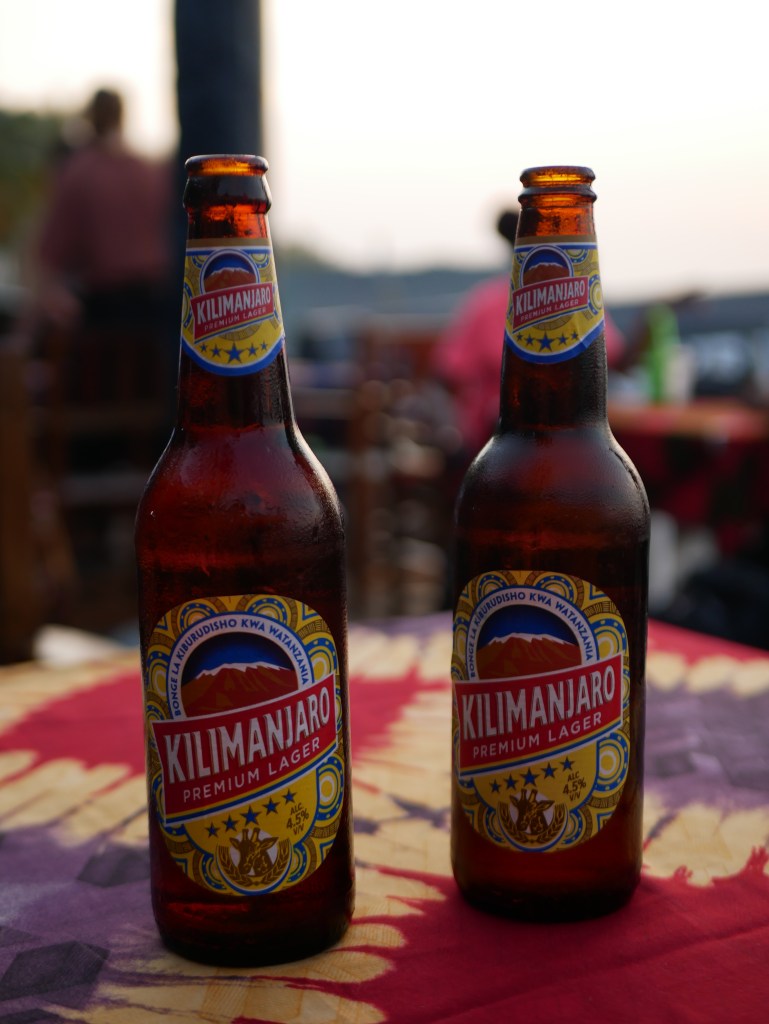
Zanzibar served up all kinds of delicious beverages – fresh juices, tasty smoothies, quality coffee, generous cocktails. However, one drink in particular stood out this week – our first bottles of Kilimanjaro beer. A fairly light, refreshing affair, that tasted like distilled victory – this drink is our birthright.

Biggest splurge

We wanted to stay somewhere special for a few nights around Tim’s birthday, but finding somewhere nice that didn’t completely break the bank on Zanzibar proved to be a difficult task indeed. It was difficult to justify spending three times our nightly budget on places that didn’t seem that much better than where we stayed normally, and anything 4 stars or above was WAAAAAY out of our price range. We ended up choosing Savera Beach Houses in Jambiani, which was absolutely perfect. It was a big splurge, at triple our nightly accommodation budget, but for that we got a beautiful cottage 10m from the ocean, a wonderful, clean bathroom and an incredible multi-course breakfast served on our veranda overlooking the beach every morning. It’s a small family-run property, and it’s evident from the level of care that has gone into every part of the resort, with lots of little thoughtful touches to make life easier.  

Best deal

Our Airbnb in Dar es Salaam was a great find. It was the first time we’ve ever stayed in a shared house type Airbnb. Our hosts, a lovely Indian family, were incredibly warm and welcoming. They had lots of great, honest advice to give. Best of all, they included a delicious breakfast for us as part of our stay.

Week 7

Kilimanjaro

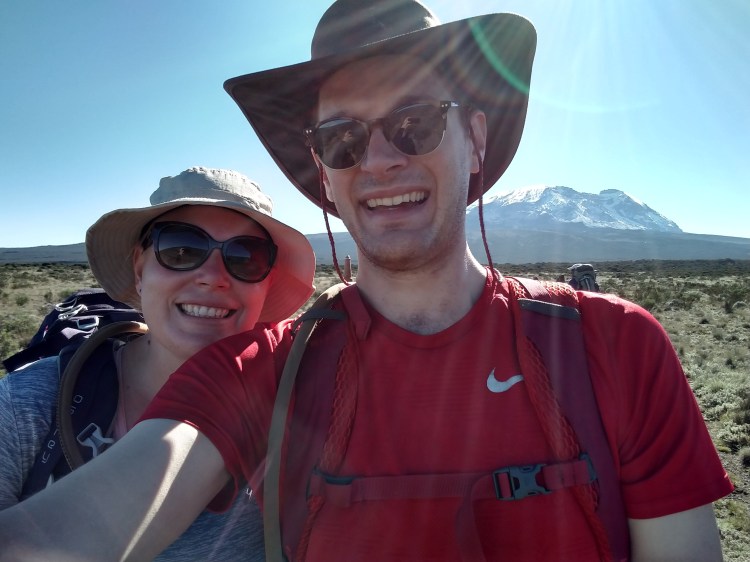
It’s taken us a little while to put our experience climbing Kilimanjaro down in writing. Post-Kili we were both utterly exhausted and a little shellshocked. We’d heard that trekkers often say they find climbing Kilimanjaro much easier than they expected, until suddenly it gets much harder than they expected. That seems to be a pretty accurate reflection of our climb as well. We had chosen to climb Kili using the Lemosho route over 8 days. We picked this route because it has one of the best acclimatisation profiles – providing opportunities to ‘climb high and sleep low’ which is meant to lead to better sleep and better acclimatisation. But it is also one of the more arduous routes on the mountain. While the original ‘Coca Cola’ route goes straight up the mountain over 3 days, our route took 6 days to get to the summit, but spent a lot of time going down and then up again. Combined with poor sleep, this started to take a toll and we were pretty mentally and physically tired by the time we got to summit night.   

The day before our climb we met with Gladys again, as well as meeting our guide Erick for a briefing and gear check. We had planned to hire some extra winter gear (down jackets, rain pants etc) from Gladys (who also runs the best stocked gear hire store in Moshi – such a business mogul!), and spent the better part of an hour sweating up a storm trying on clothes that we would need at the top of Kilimanjaro. It seemed almost inconceivable that in a couple of days’ time we would be cold enough to need these heavy winter clothes. We enjoyed an excellent pre-trip dinner at Gladys’s restaurant – the Flavour Kitchen, and tried to get a good night of sleep ahead of the first day of our trek. 

Day 1

Lemosho Gate (2,200m) to Big Tree Camp (2,780m)

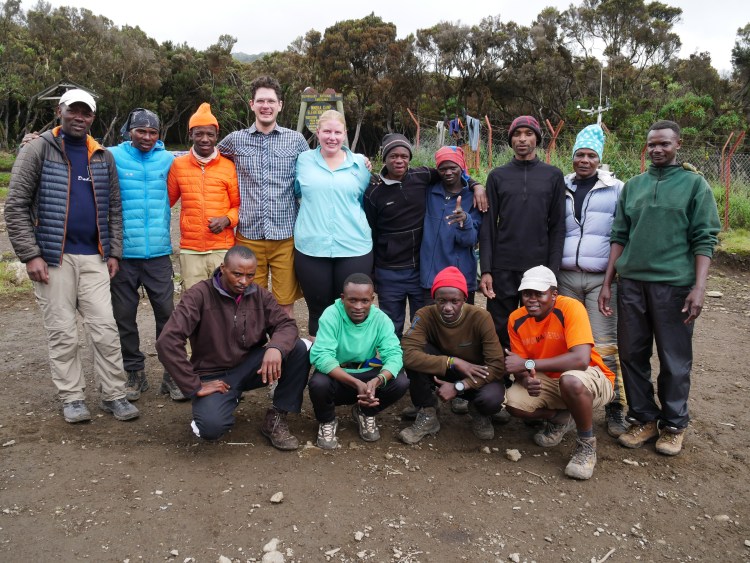
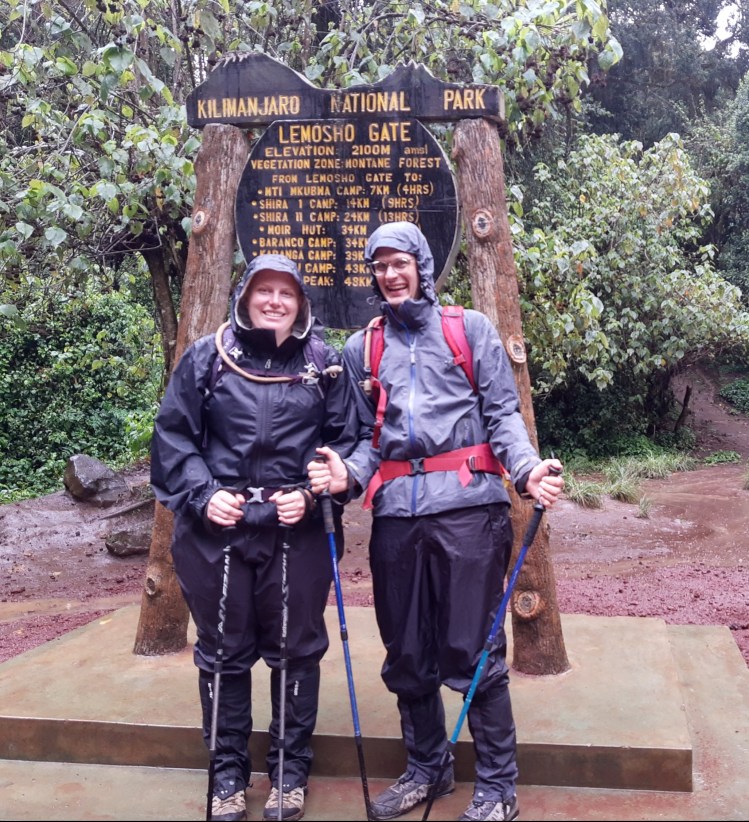
A minibus filled with a seemingly enormous crew (10 porters, 2 guides and a chef) and loaded with gear picked us up from the hotel early in the morning. It seems crazy that it takes this many people to get the two mzungus up a mountain. We drive for a few hours out of Moshi (on the southern side of Kilimanjaro) around to the western side where we will start our climb. The last part of the drive is over some very bumpy roads. At the gate there is a strict process where all of the gear for our expedition is weighed and divided up between the porters, to ensure that no porter has to carry more than 20kgs (5kg of which is their own gear).

It starts to rain heavily as we have our lunch at the gate – unfortunately this will not be the last rain we see on our trek! We try to wait it out, but eventually we don our rain gear and begin in the rain.

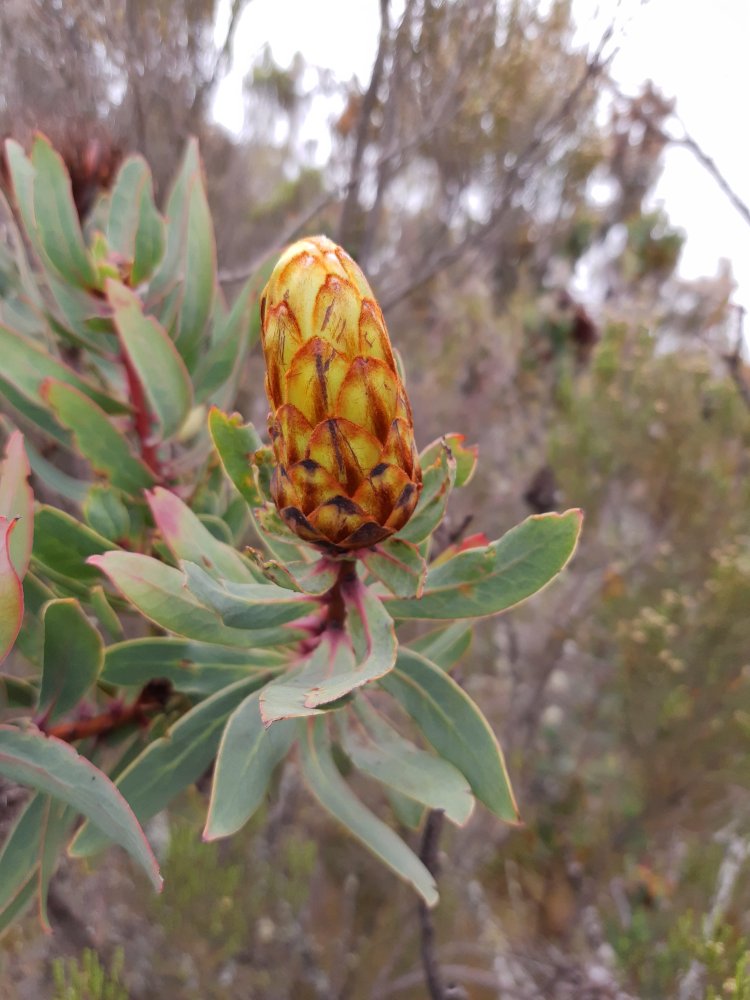
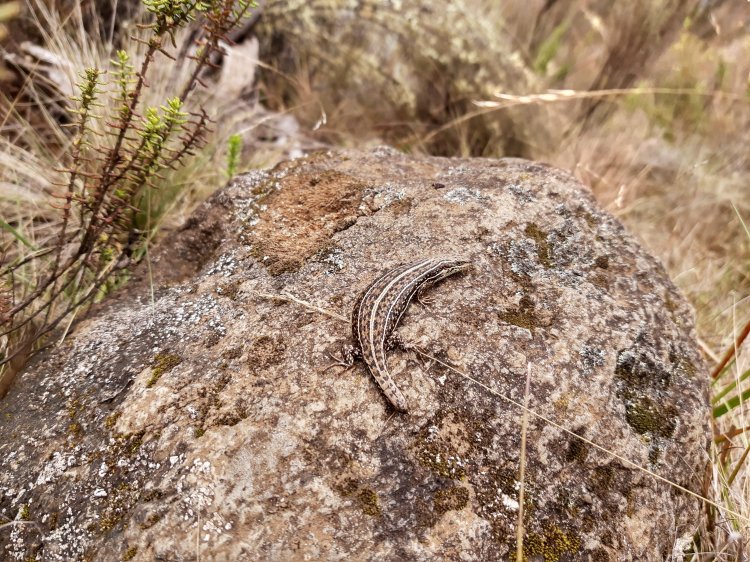
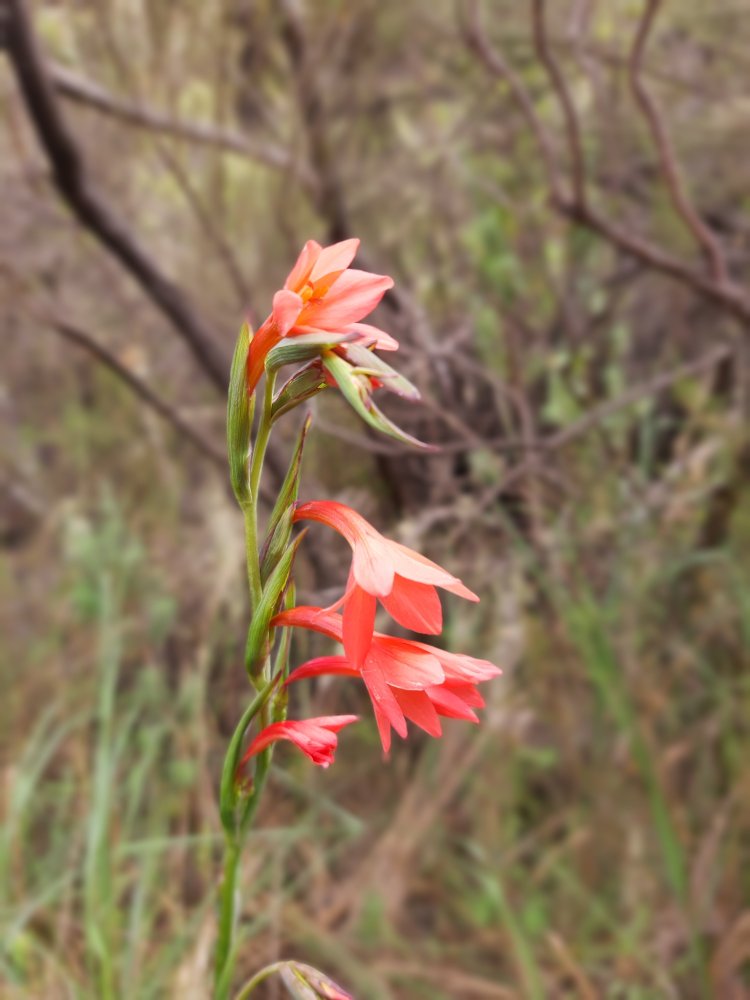
The walk today is a fairly easy three hours up to our first campsite. It’s muddy, but nothing compared to the mud we experienced at Volcanoes National Park in Rwanda, and at least we have walking poles this time. The rain stops after a while and we take off our rain gear. Our guide Erick and assistant guide Peter wow us with their encyclopaedic knowledge of the flora and fauna we spot from the trail.

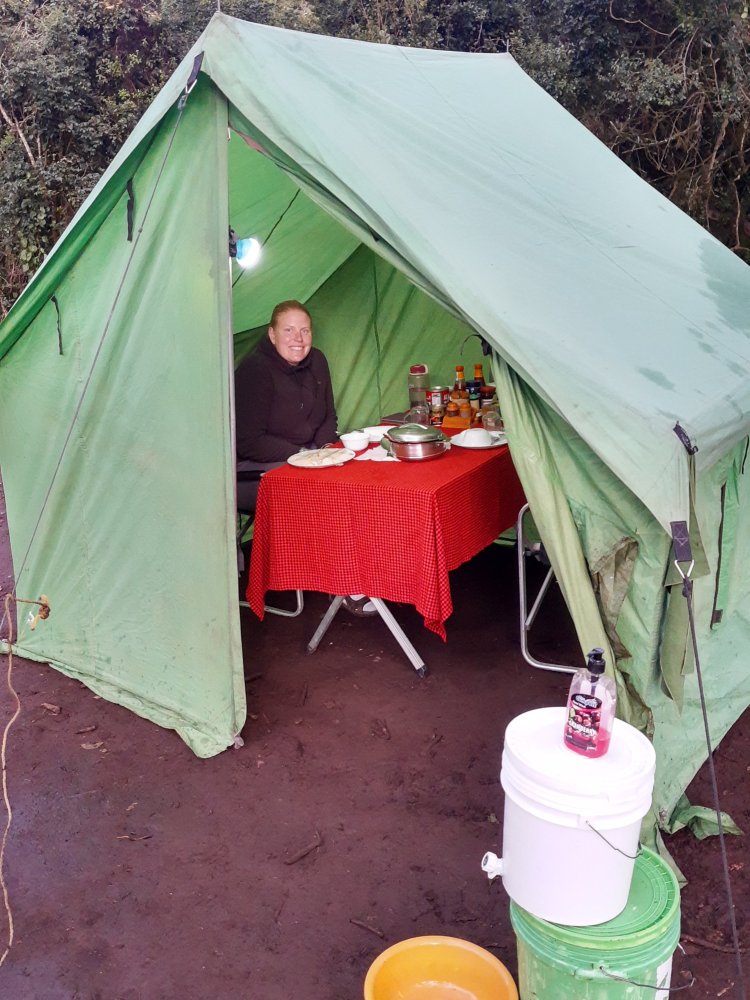
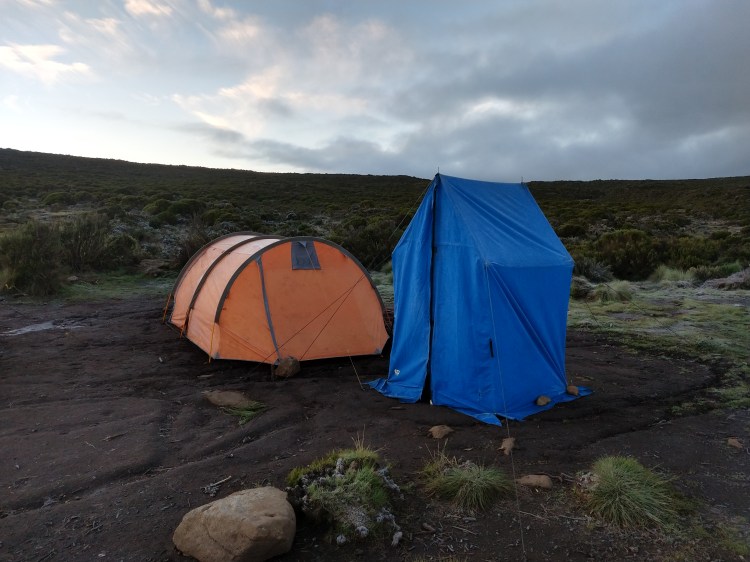
We arrive to find our camp already set up by our wonderful porters who are a lot quicker than us! After we expressed some concerns that the sleeping mats we had on safari were too short for Tim (who is 6 foot 4), we are delighted to find that Gladys has given us much larger thicker sleeping mats and a larger tent to accommodate them free of charge. But the best is yet to come – she’s also thrown in a private toilet tent for us! This is wonderful, because it means we don’t have to use the filthy, smelly, public long drop facilities. However, it also comes with the crushing guilt of knowing that some poor soul is carrying a toilet up a mountain for you – contents included. We are both a little bit in love with our toilet porter, Gerard, who always has the biggest smile on his face despite having what must be one of the grossest jobs on the mountain.

Day 2

Big Tree to Shira 1 (3,500m) campsite.

We are up at 6:00am and away by 8:00 as we head off to our next campsite. It’s a much tougher climb as we make our way up steep rocks and we stop for a break after the first two hours. We hoe into some amazing snack packs that our chef prepared for us that morning! From here on we manage to start to mingling with a few other climbers also doing the Lemosho route. We meet a poor Texan lady whose equipment hadn’t made it to Moshi in time, so she was climbing in the dress she wore on the plane!

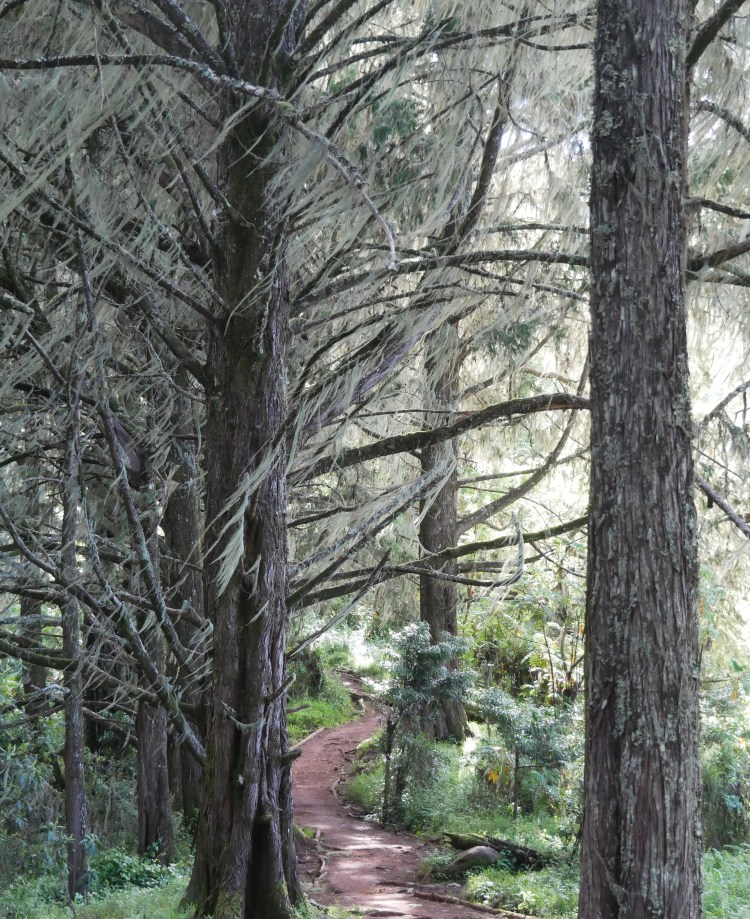
Some stunning views greet us as we move through rainforest and scramble atop some boulders along the way, gaining a vantage over the valley below. Spotted a few blue monkeys in the canopy of the forest. We’re very grateful for the gaiters we hired as we still trundle through mud from yesterday’s rain.

Starting to feel the cold in the evenings at Shira 1

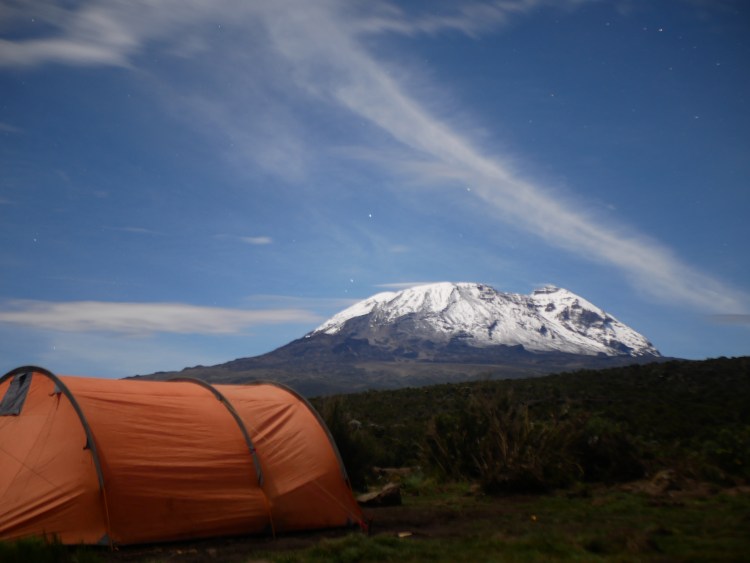
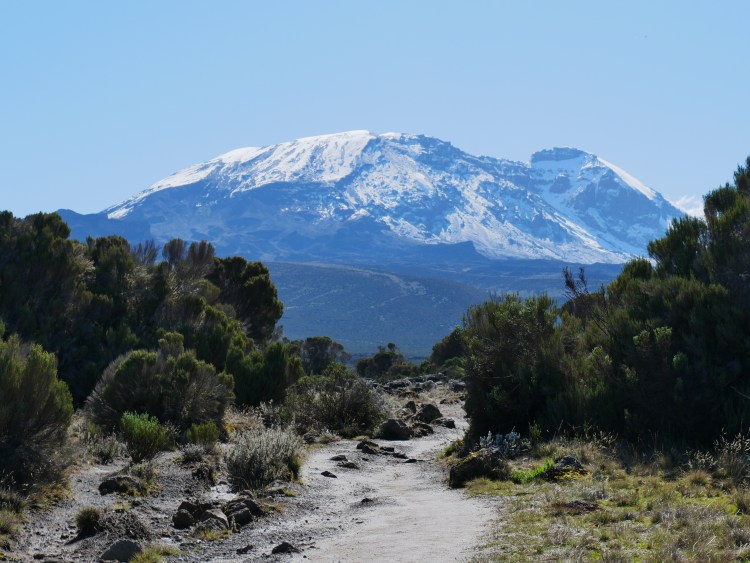
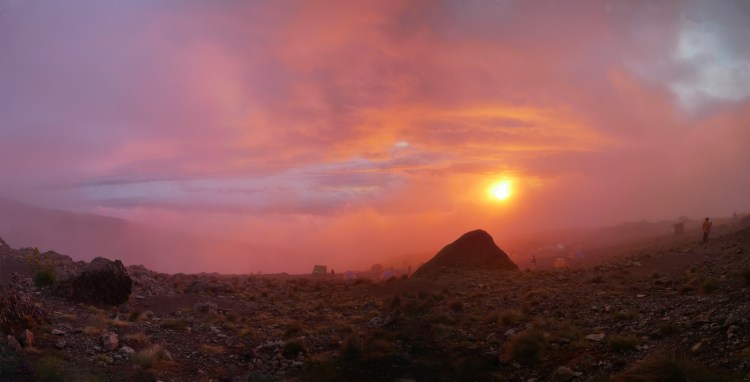
We reach Shira 1 for a late lunch, around 3 in the afternoon and settle into our tent. Shira 1 is the collapsed peak of one of the original three craters that made up the Kilimanjaro range. Stunning views of the summit from the camp when the clouds finally cleared.

Stunning view of Kibu from Shira 1 campsite – long exposure shot in the middle of the night (a very bright moon in the sky, see the stars?)

Day 3

Shira 1 to Moir campsite (4,140m) via Fischer (3,930m) for lunchstop.

We’re still feeling good today and enjoy a pleasant walk along the Shira plateau to Fischer camp, where we stop for a full cooked lunch with our crew. It’s a lovely morning as we set out, with a just a bit of cloud about, and some clear views of the summit.

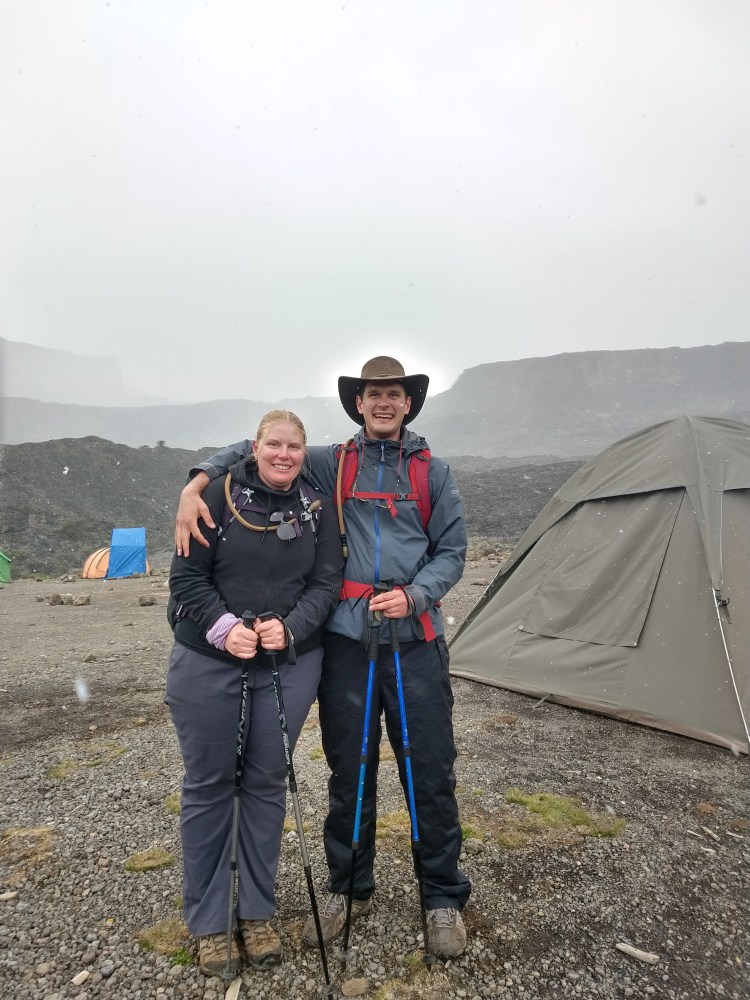
The weather takes a turn for the worse after lunch, and we battle through snow and gusty winds up to Moir camp. We’re still in good spirits, with a lot of joking about how this was meant to be the dry season! Moir camp is extremely exposed. This is the first night that we’ve been really cold, and we spend it huddling in our tent, terrified that the howling winds are going to blow our tents away.

Snow falling as we arrive at Moir Camp

Day 4

Moir to Barranco Hut camp (3,960m) via Lava Tower (4,630m)

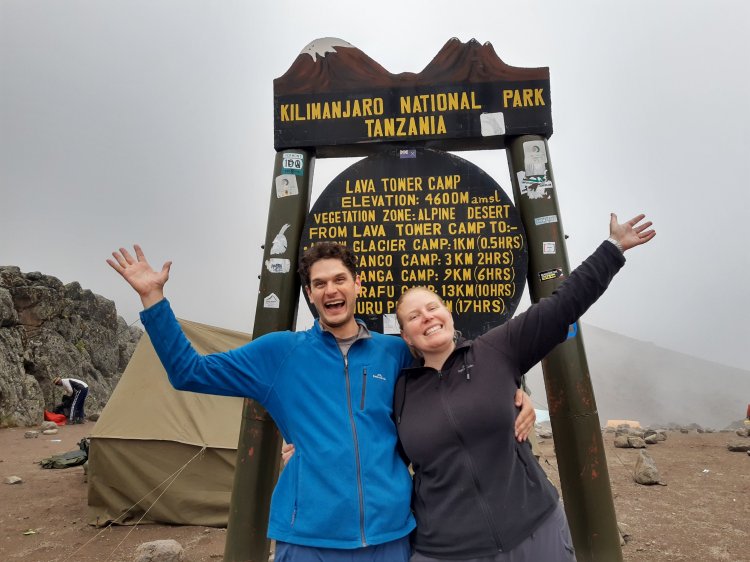
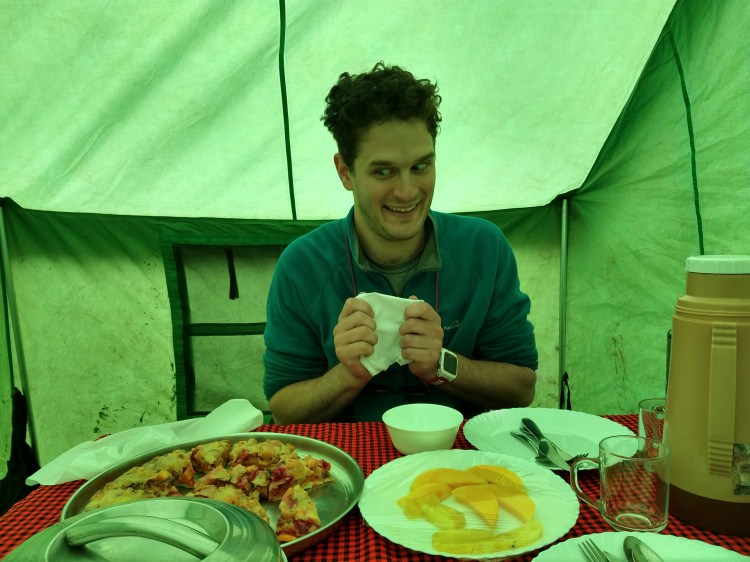
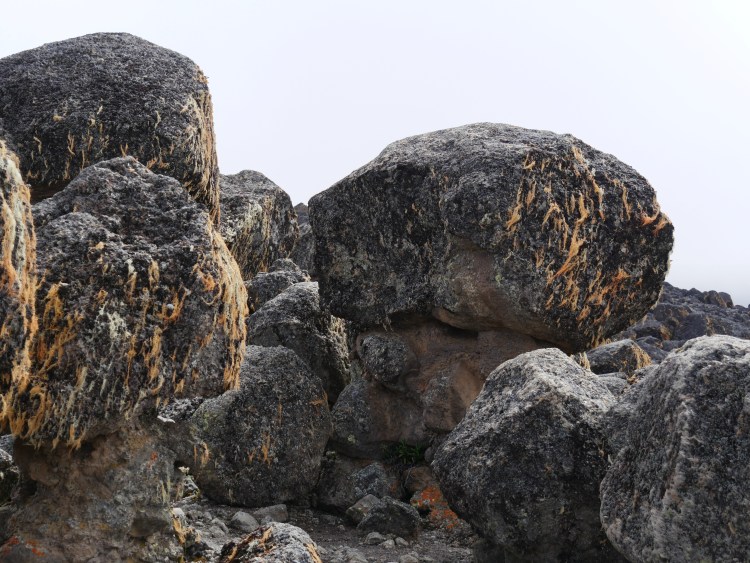
The freezing temperatures and lack of sleep the previous night starts to take a toll, and we struggle to find the motivation to get out of our warm sleeping bags this morning. We spend the first half of today climbing up to Lava Tower (4,630m), where we enjoy an amazing hot lunch of pizza and soup!

We spent much of the morning walking in the clouds which have rolled in, and after lunch they turn to rain as we make the steep descent from Lava Tower down to Barranco (lower than we started the day at Moir camp!) It’s pouring with rain and there is some very slippery scree and rocks to scramble down. Lightning and thunder around us as we descend. Fun! Erick tells us we’ll be OK, so long as our phones are off. We hurriedly tear open our jackets and bags to switch off every electronic device, soaking most of the contents within.

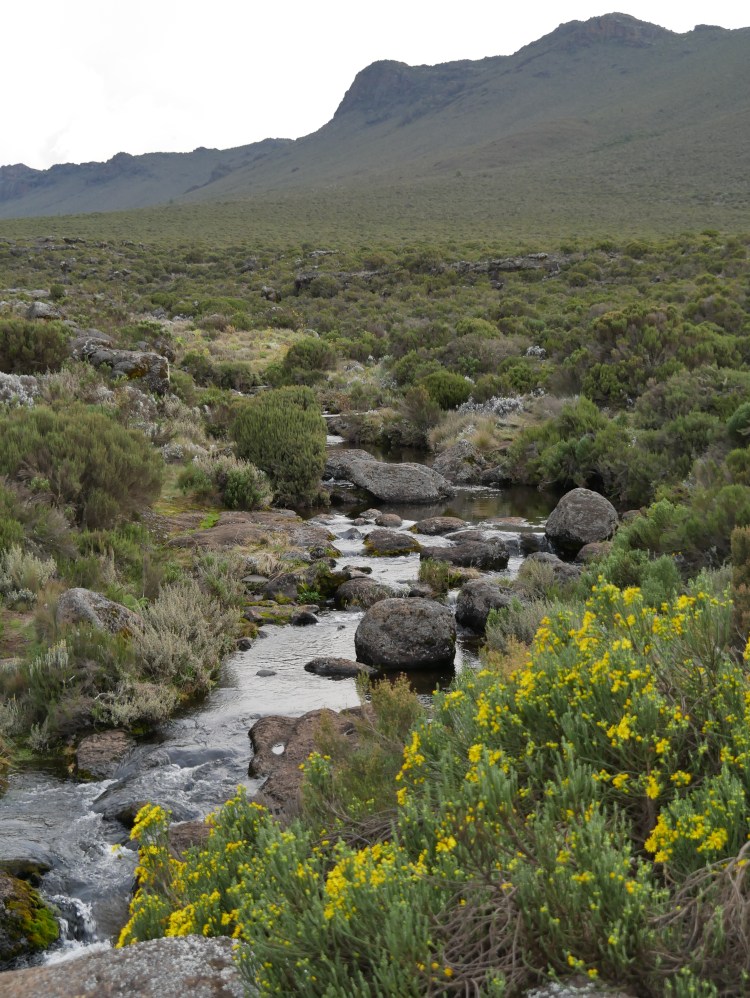
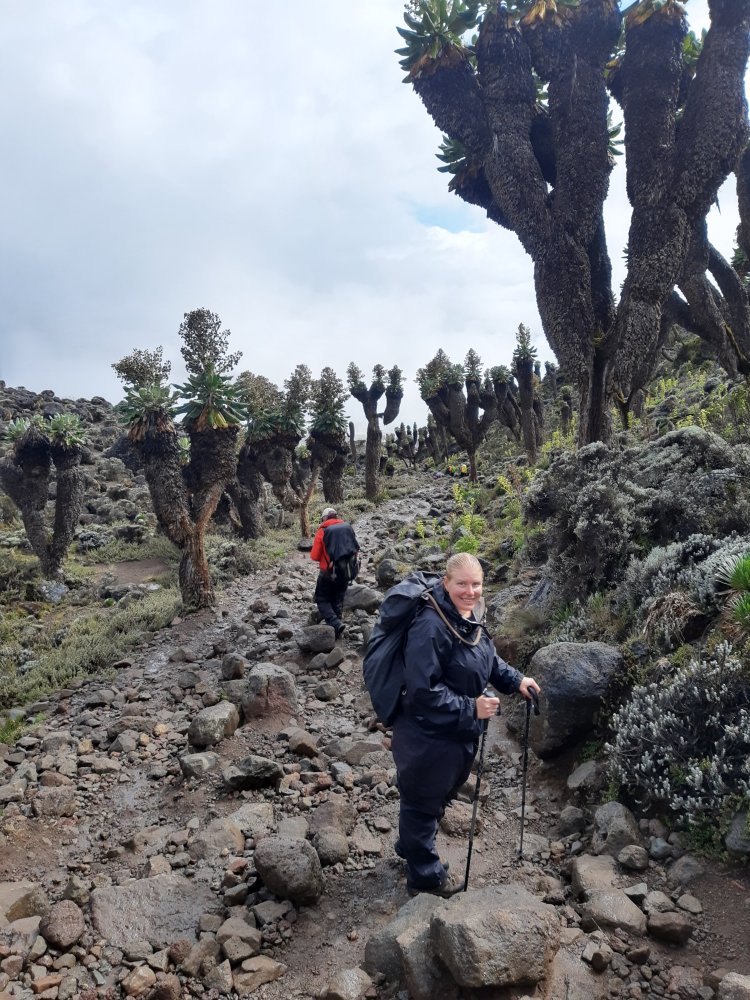
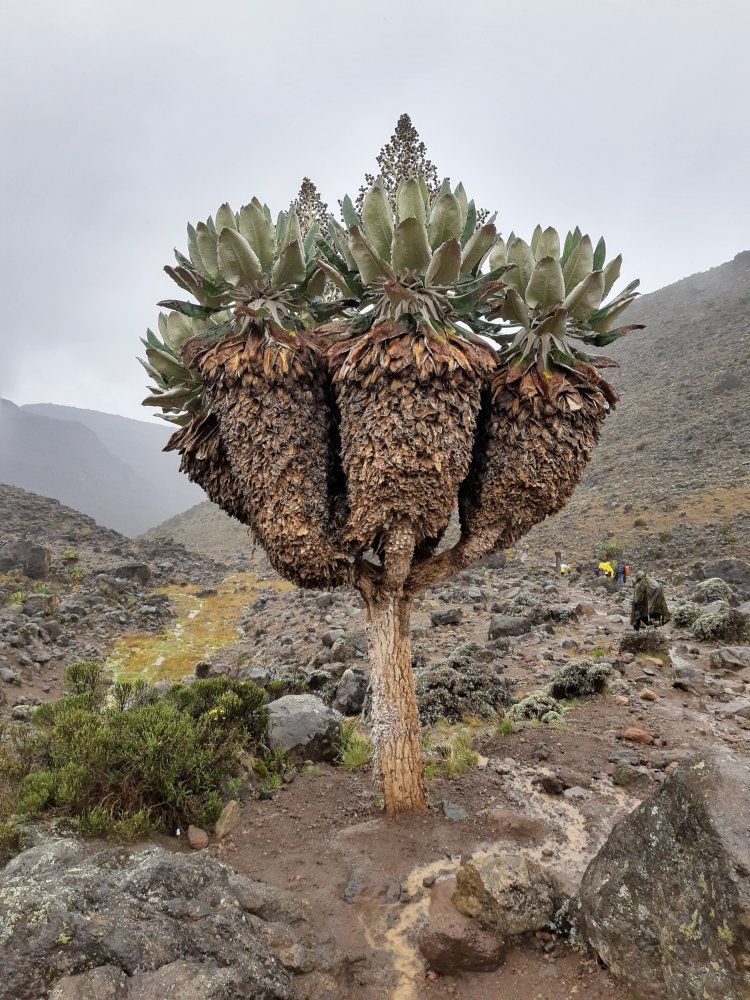
The valley leading down to Barranco is a remarkable landscape – a river flows steeply down through the middle of it, making a series of cascading waterfalls. Halfway down the valley we come across a number of extraordinary trees. Between Moir camp and Lava Tower, we’ve mostly been walking in alpine desert, with nothing but a few spouts of weeds and some mosses for vegetation. These trees look like some kind of cactus, some growing to 10 metres tall. They are apparently a fairly short lived thing, rarely growing beyond 20 years before the elements bring them crashing to the ground.

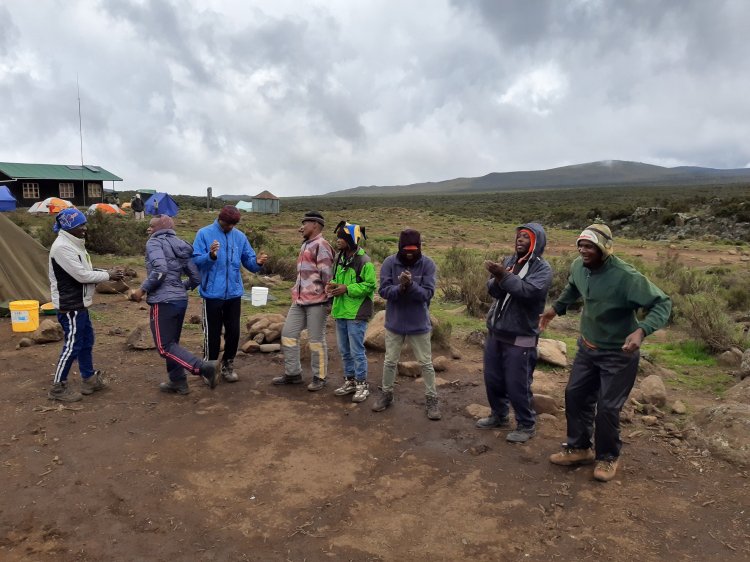
We arrive at our camp at the base of the Barranco Wall soaked through, rain jackets and pants not proving as waterproof as we had hoped they were. Our crew welcomes us to camp with a rousing rendition of the Kilimanjaro song! Perhaps mercifully, the valley is so full of thick fog that we cannot see the infamous Barranco Wall – a 200 metre plus sheer face of rock – that we are going to have to scale the next morning. The fog below us does partially clear in the late afternoon however, and we catch a glimpse of the town of Moshi far below.

Day 5

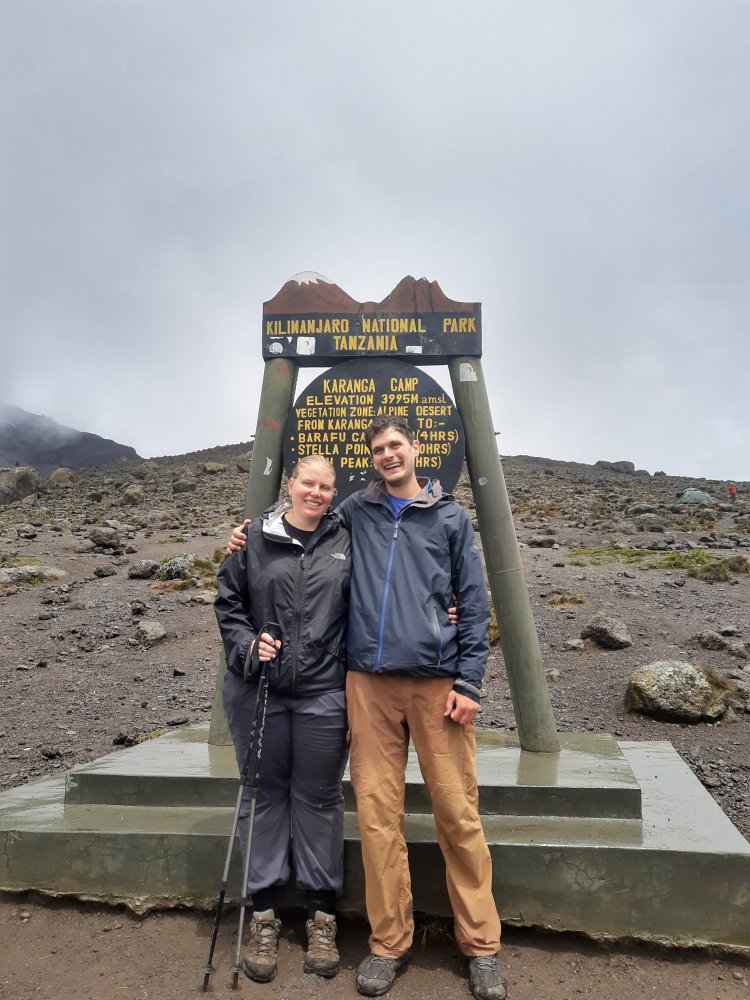
Barranco to Karanga (4,040m)

Our best efforts to dry our wet things overnight have been unsuccessful, and we start the day feeling pretty soggy. The Barranco wall looms above us looking like a sheer rock face. Our guides assure us that there is actually a path and we won’t be going straight up it. We begin, and pretty soon we have to put our poles away and use our hands for scrambling. We’ve decided not to wear our rain paints today, because they restrict our ability to move our legs fully as required for scrambling. The rains set in again and anything that had managed to dry out from the day before quickly becomes wet again. The climb up the wall is exhilarating. There are a few tricky sections, but our guides lead us through them without breaking a sweat. It’s probably just as well that we are surrounded by dense cloud, because it means we can’t see just how far there is to fall!

We reach the top, but sadly are not rewarded with panoramic views of the valley below all the way down to Moshi, because we can only see 2m in front of us in the fog. We know that we are spending tonight at a similar elevation to the previous night, which means the next few hours are spent climbing downhill again and losing all of the elevation we gained coming up the wall. There’s no point putting our rain pants back on at this stage, because our pants are already soaked through.

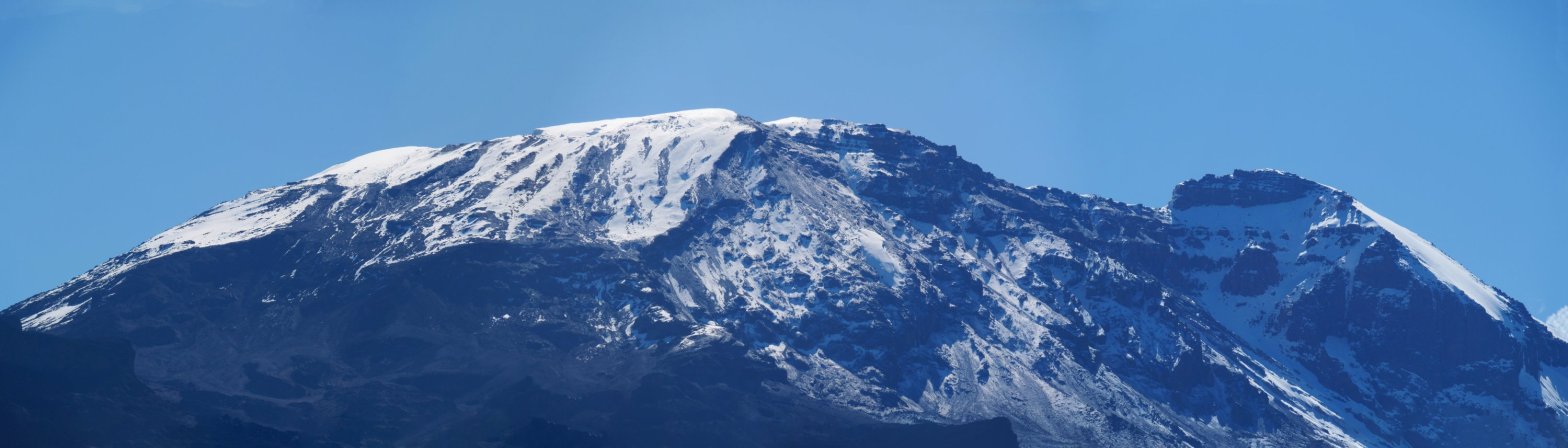
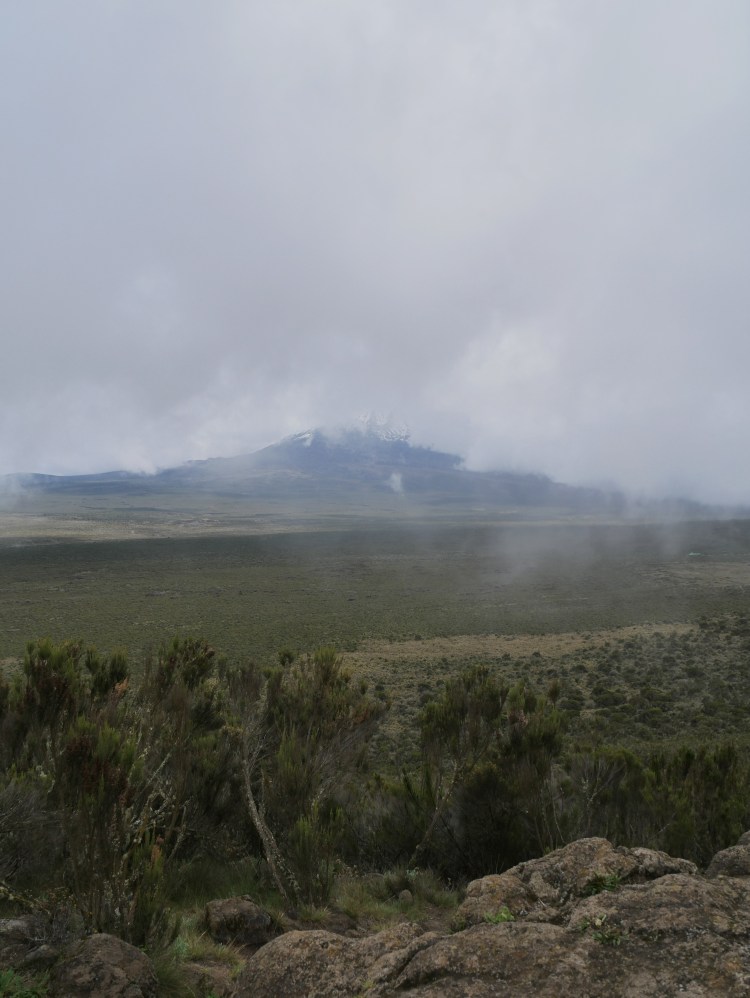
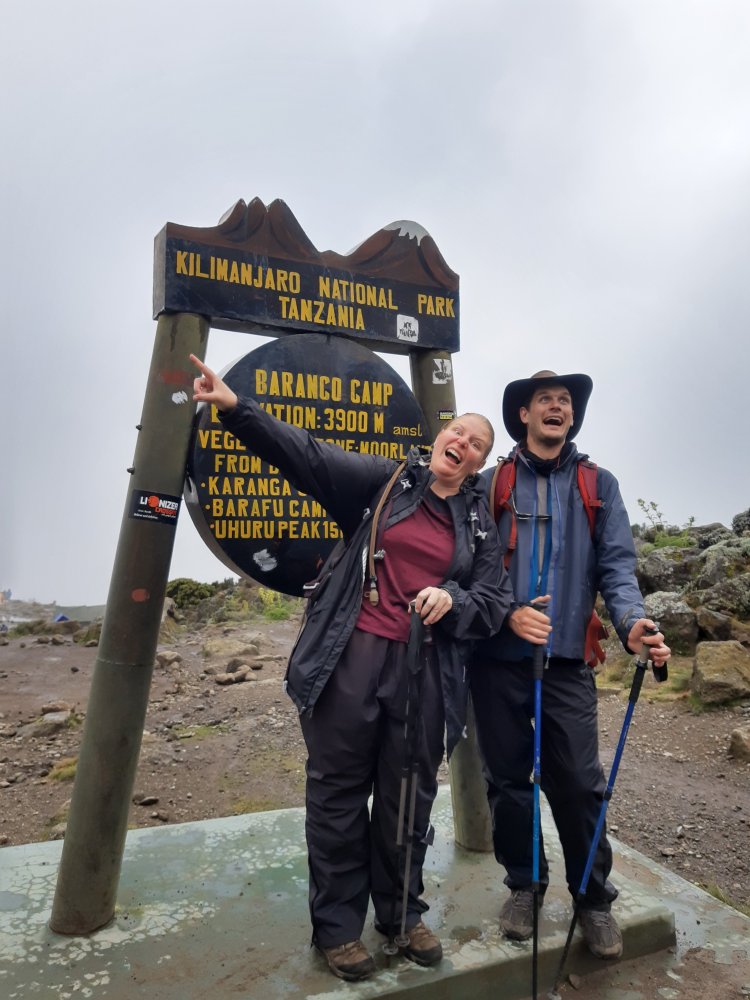
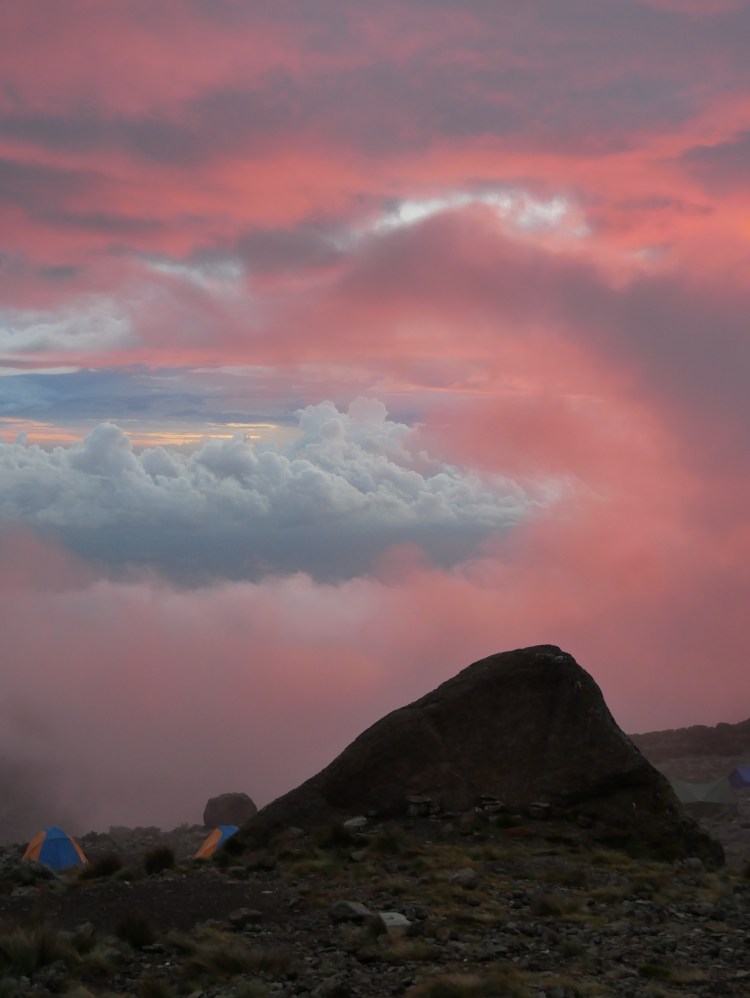
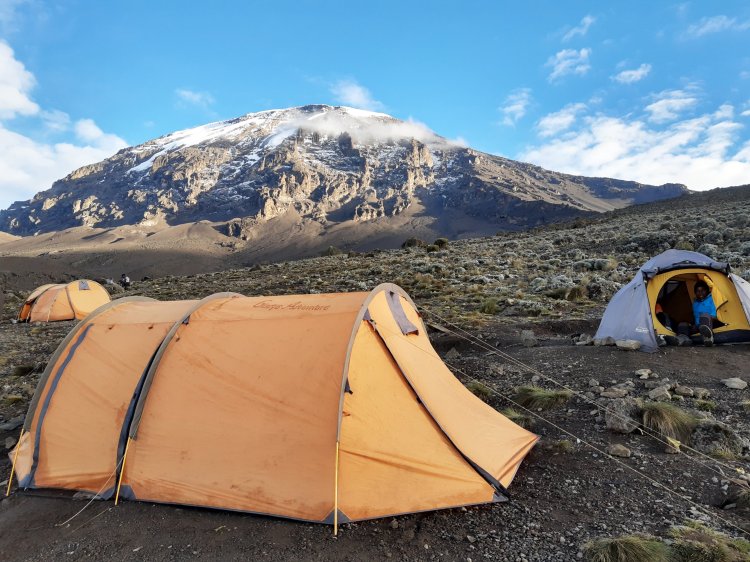
The last stretch of the walk to Karanga camp is the toughest mentally. We come down across a plateau and can see the camp ahead of us at eye level. However as we get closer, we realise that there is an enormous chasm of a valley between us and it, which we will need to climb down and back up to reach the camp. At least we are rewarded towards the end of our final ascent when the clouds in front of the mountain clear, and we are able to see Kibo (the peak we will be climbing). It’s the first time we’ve been able to see it in days because of the rain, and we are stunned by how close it is and also how much bigger it looks from here as it looms 2000m into the sky above us.

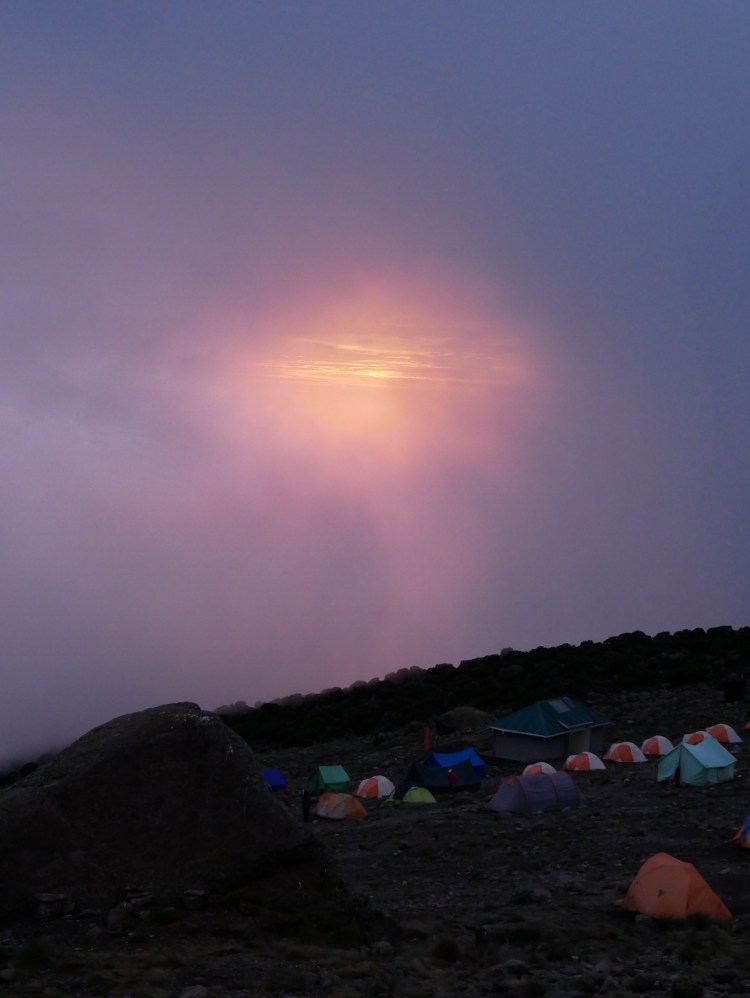
We reach camp in time for lunch, and our top priority is to dry out our clothes and shoes before summit night tomorrow. We are extremely lucky that the sun comes out for a bit in the afternoon, which takes care of most things. Our crew take the things that haven’t dried yet to place by the cooking fire in the evening, and they come back to us dry in the morning. Our guide, Erick, is particularly concerned about Tim’s shoes, which are apparently not water proof anymore. He takes them away and works some sewing magic on them to make sure they are ready for the snow on the summit. We feel very grateful that we chose the 8 day route at this point, because if we were doing the 7 day route we would be heading straight on to Barafu (base camp) this afternoon and summiting tonight without any chance to dry our clothes. Our guides tell us that another climber has decided to descend from Karanga, because all of their clothes are wet.

Day 6

Karanga to Barafu (4,640m)

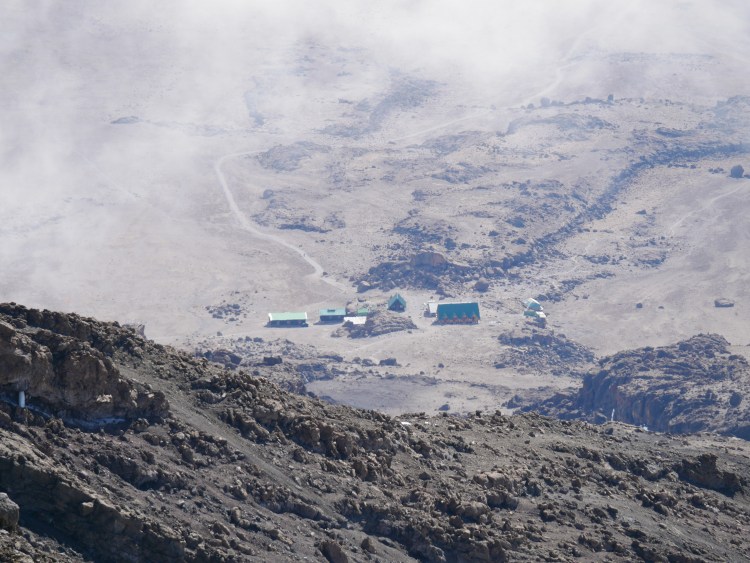
It’s a short 4km walk from Karanga to our base camp (Barafu) today, but the past 5 days and the lack of sleep is really starting to build up and we are feeling tired. Unfortunately, it’s all done in the thick fog, which is starting to get a bit tiresome. We go as quickly as we can, terrified that it will start to rain again and our newly dried clothes will get wet before the summit. Fortunately, the rain holds off, and we reach Barafu in time for lunch. While we’ve both managed to keep our appetites pretty well until now, we start to struggle to get the food down. We’ve been really lucky and both have seemed to be coping well with the altitude up until this point. Kirsten has had a cough from the dry cold air since day 2, but both of our pulse oxygen readings (taken every morning and evening by our wonderful guides) have been great – in the low to mid 90’s which is good at this altitude – and we haven’t experienced too many other symptoms of altitude sickness like headaches, nausea, vomiting, diahorrea etc. (spoiler alert – things soon take a turn for the worse!)

We spend the afternoon resting and preparing our things for summit night. Then it’s an early dinner and off to bed at 7pm to try to get a few hours’ sleep before our 11pm wake up call. Of course, nerves prevent either of us from sleeping a wink. Then, around 9pm, Tim has to make a lot of urgent trips to the toilet tent with a sudden onset of diahorrea and nausea.

Day 7

Barafu to Uhuru Peak (5,895m) to High Camp (3,820m)…to Mweka Camp (3,080m)

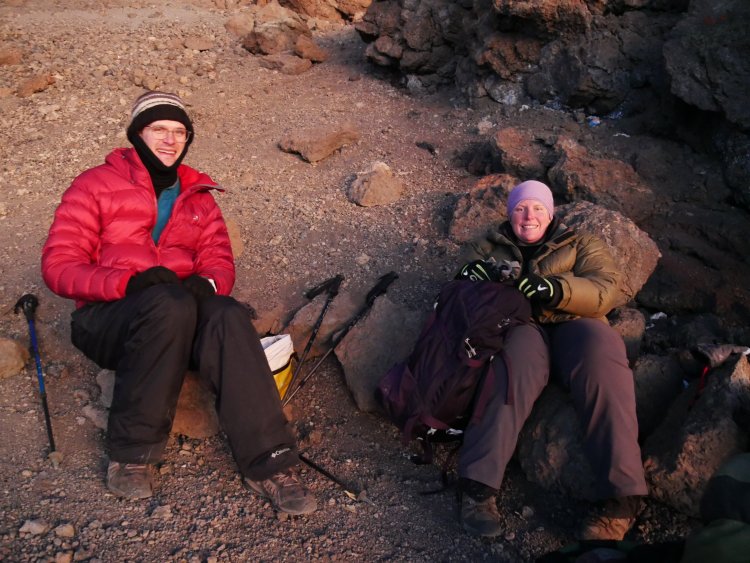
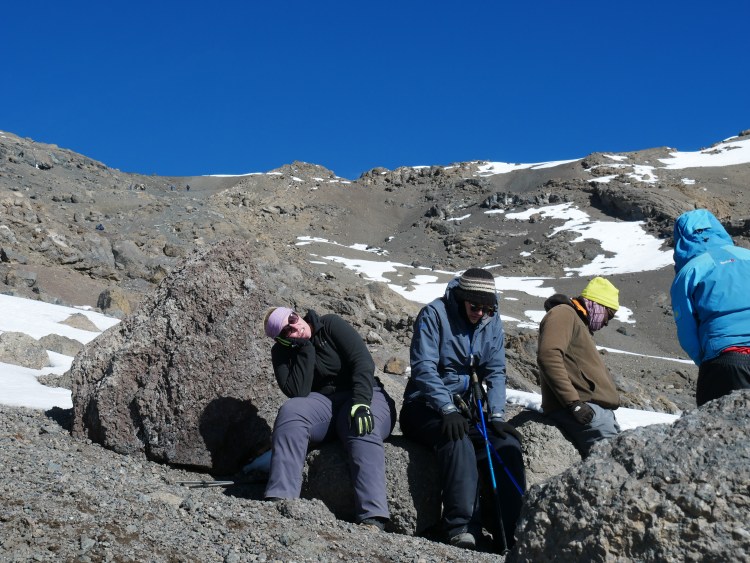
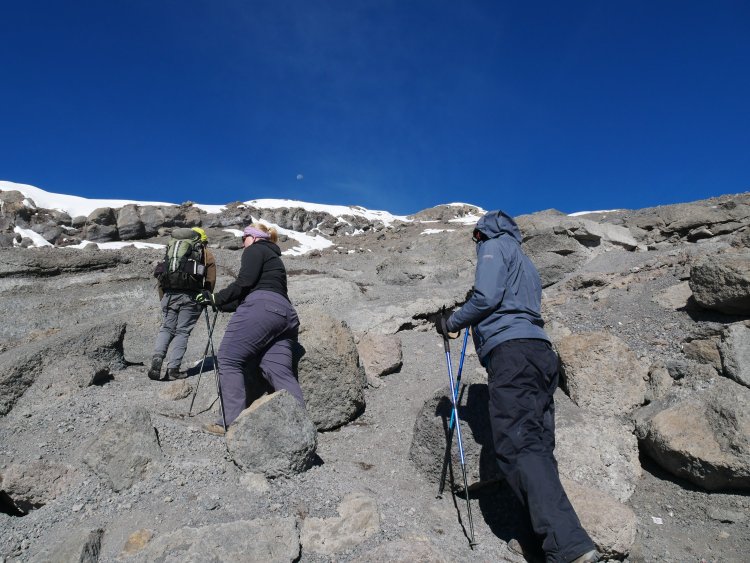
Our 11pm wake up call comes, but we are both very much awake. Poor Tim is feeling awful, having to rush to the toilet every few minutes. We stuff him full of Imodium, and he somehow manages to pull himself together enough to begin our ascent, although we are off to a late start and it’s after 1am by the time we get going. As we crawl out of our campsite, we can see the headlamps of other climbers twinkling above us, some already a third of the way up to the summit. It’s a slow crawl up the mountainside – Tim looks like the walking dead, shuffling along. We stop frequently in the first few hours for Tim to deposit bits of himself along the way. Our guides are wonderful, encouraging him, giving him sips of water and trying to get him to eat something to replenish his blood sugar. We continue to stop regularly through the night to pause, buckle over, sip some water, force down some food, settle our breathing and then resolve ourselves to continue. It goes something like this for the next nine hours.

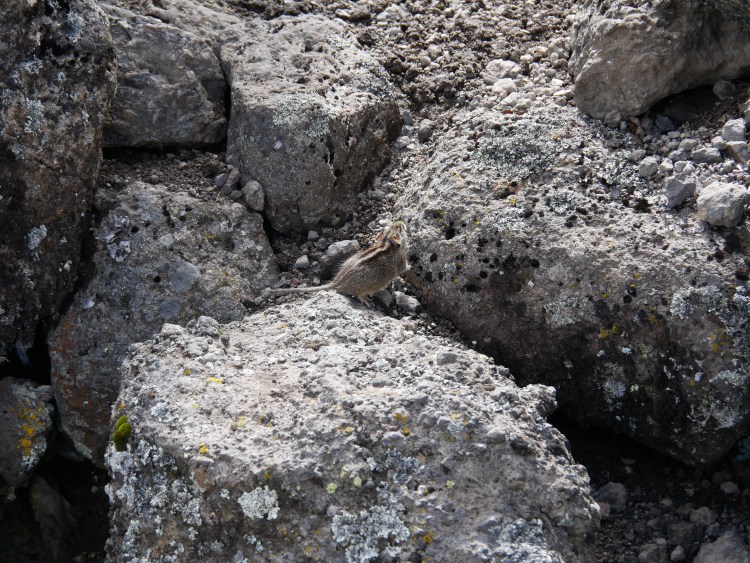
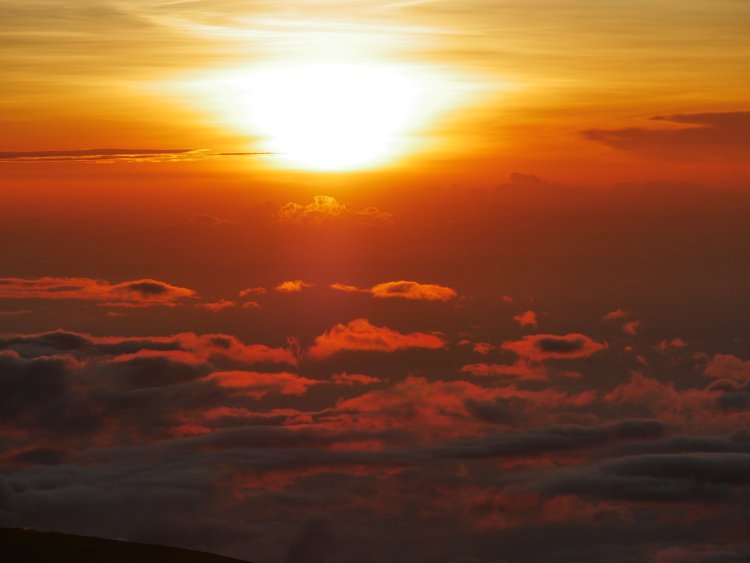
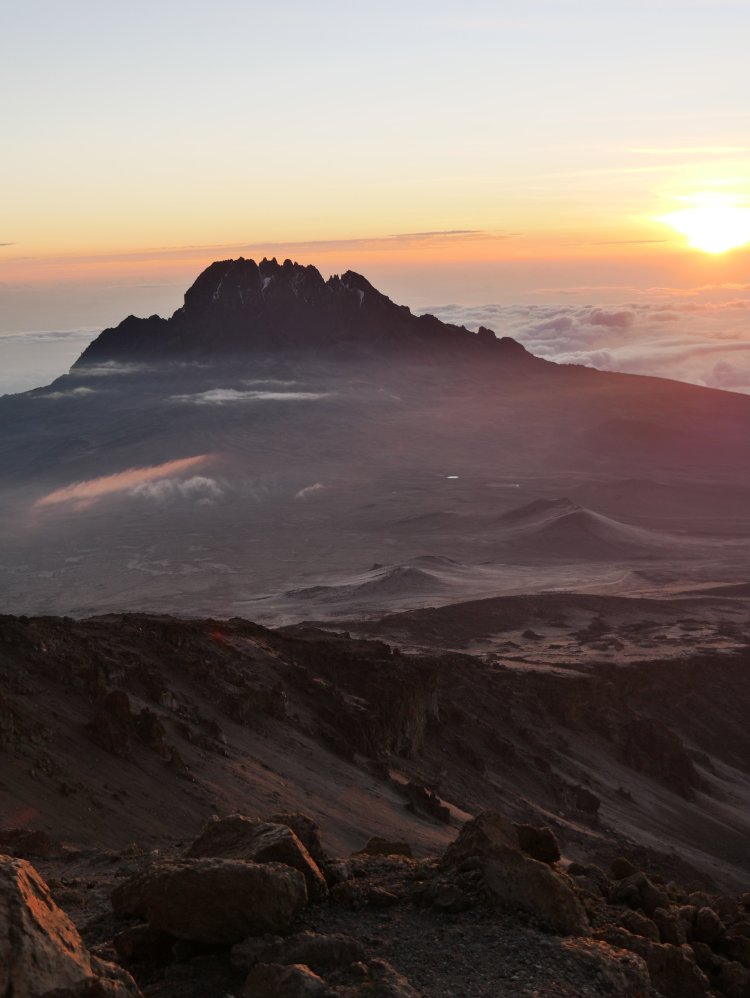
Around 6am the sun comes up, which is a welcome end to the dark cold night. But it brings with it the realisation that we are still a very long way from Stella Point, where we had aimed to be for the sunrise. There are a range of reasons that the summit ascent on Kili is commonly done in the dark, one of which is that it stops climbers from seeing the incredibly steep switchbacks that go on and on ahead of them – a soul crushing sight if ever there was one. We shuffle onwards, with our guides yelling at us not to look up every time we stare in horror at how far way the peak still seems. Kirsten’s cough has started to get worse, and she has started to wheeze on every breath, although she doesn’t realise it at the time (she remembers sitting on a rock at one point and wondering why a little bird is whistling in time with her breathing).
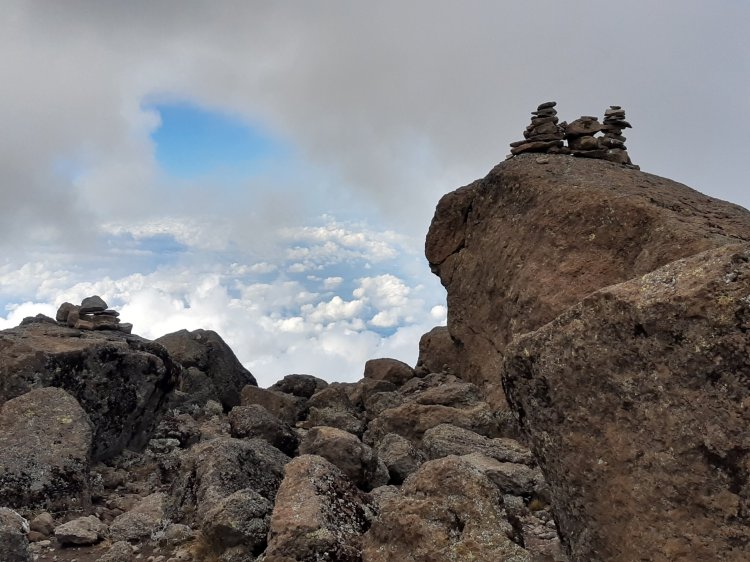
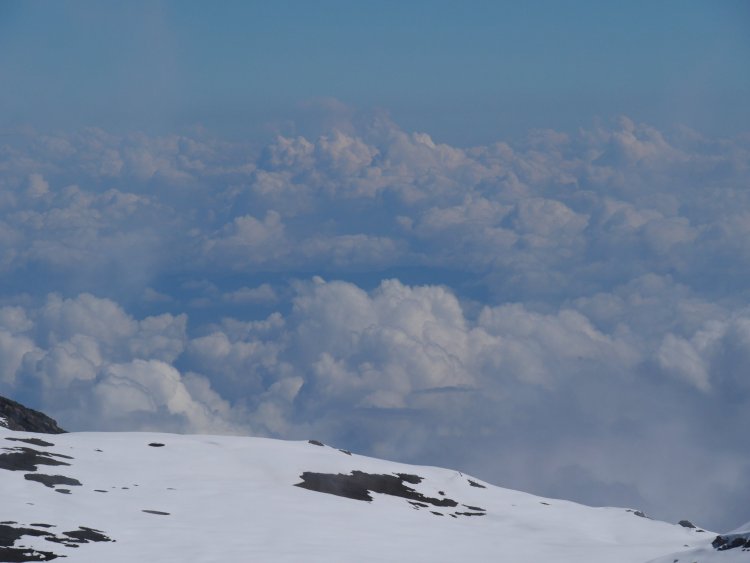
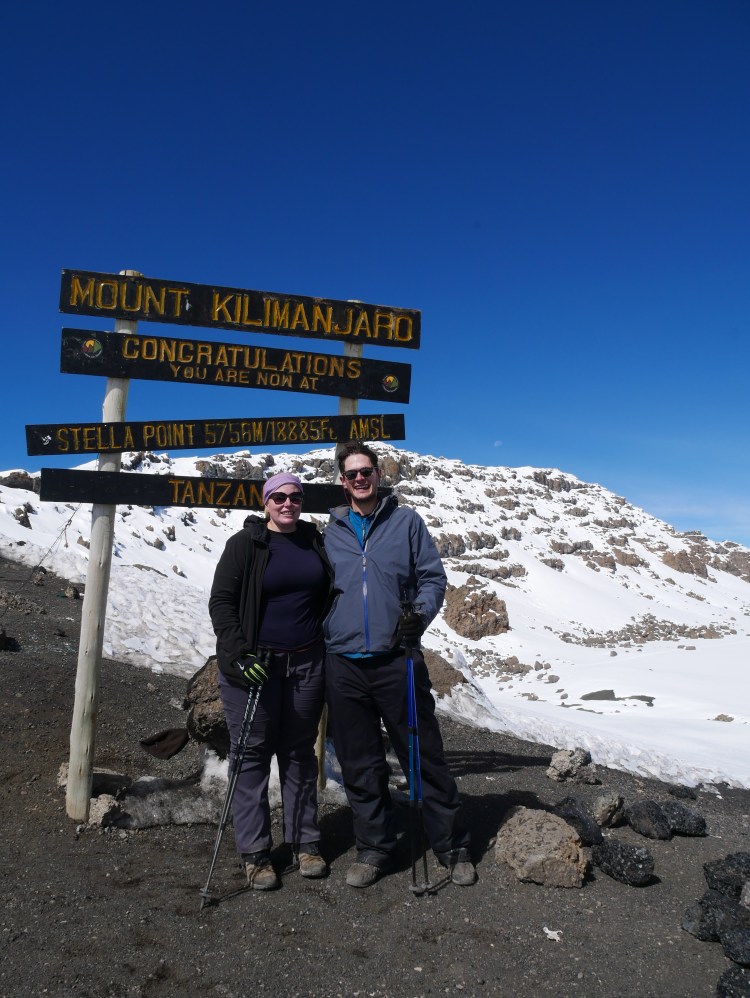
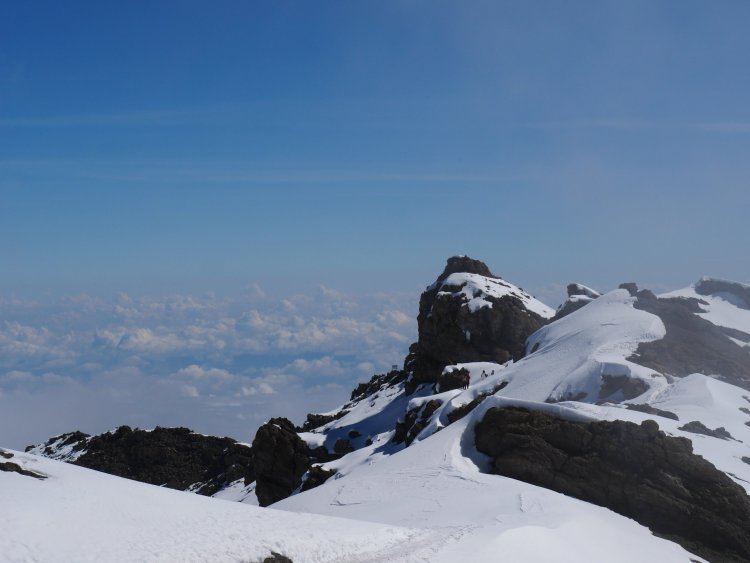
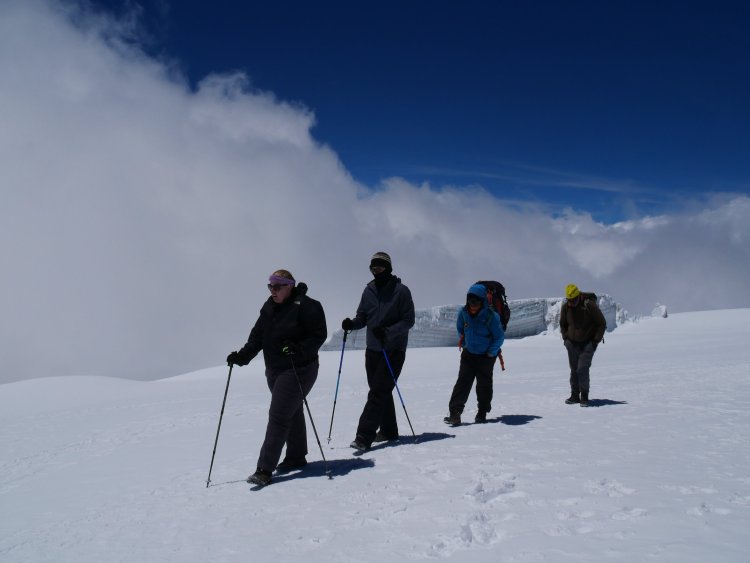
Somehow, against all odds, we shuffle our way up to Stella Point around 10:00am. It’s an emotional moment, having spent so many hours in the long, cold night feeling like we would never make it here. From Stella Point, it’s only 700m around the crater rim to Uhuru peak, the highest point on Kilimanjaro and the roof of Africa. It’s not really steep, but it still takes us a loooong time as we trudge through the slippery snow and ice. It alternates between being freezing cold when the wind gusts across blasting snow in our faces, and boiling hot when the wind settles and we bake in the sun at this altitude. Tim’s smart enough to be wearing a buff over his face, but Kirsten winds up with terrible blisters on her lips from being sun and wind burnt up here.

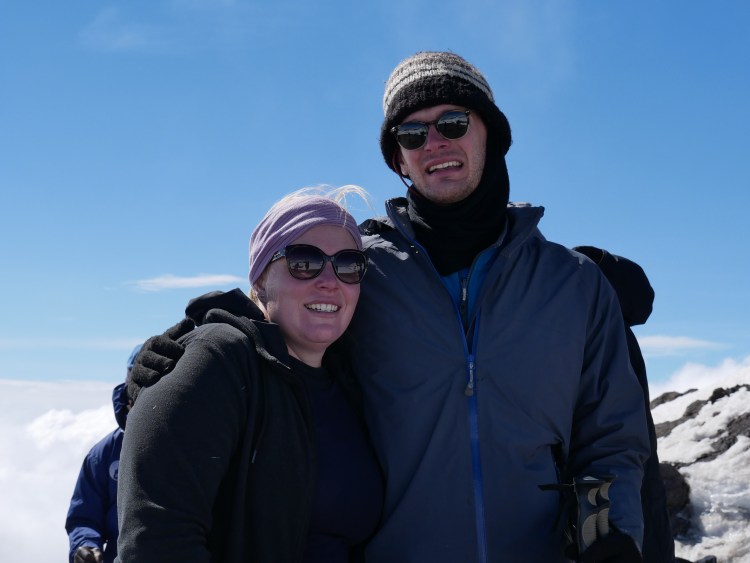
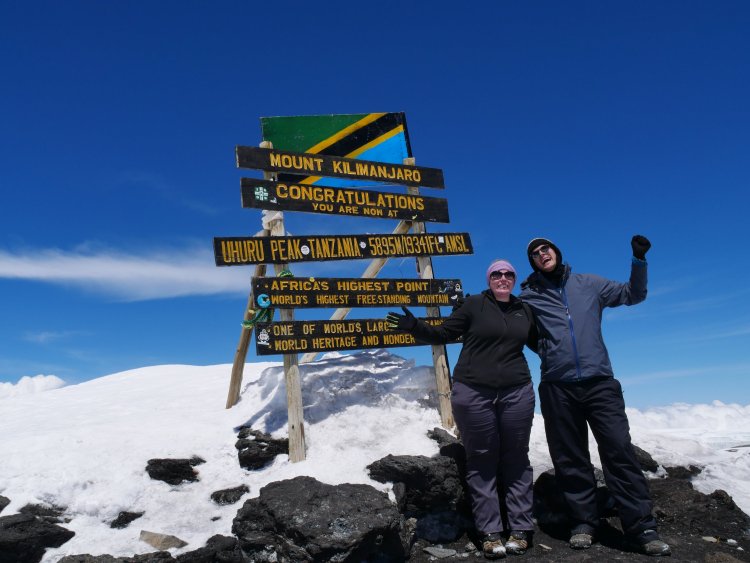
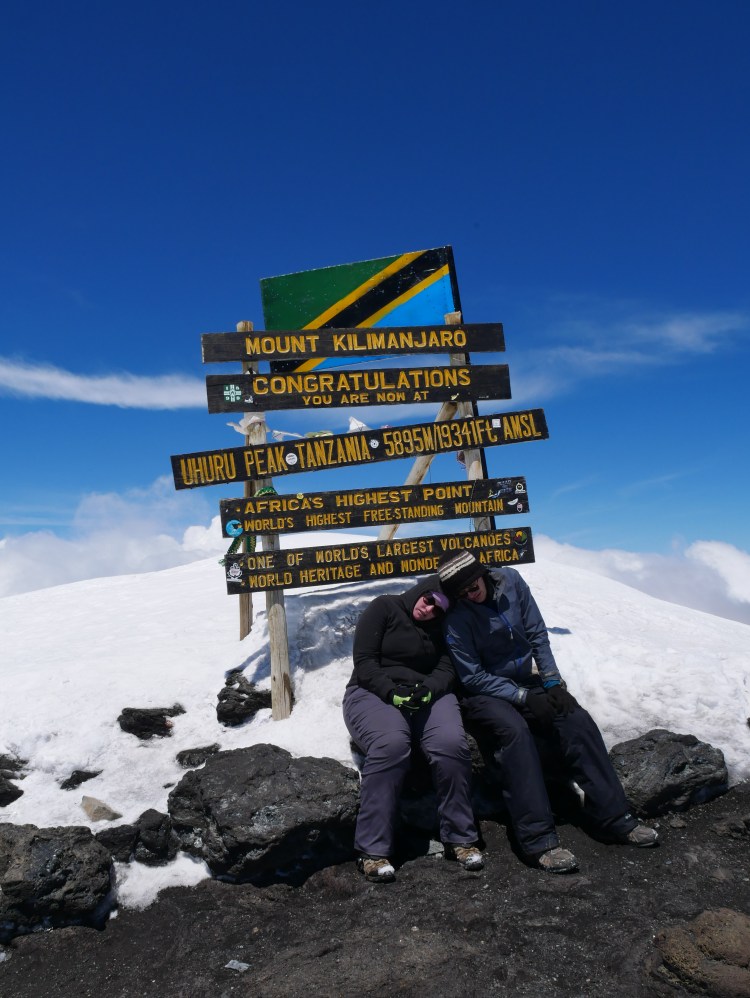
Around 11.30am we finally make it to Uhuru peak. It’s a moment that should be filled with triumph and pride and joy, but we are both so utterly exhausted we just feel numb. On the way up here we tried to focus only on the climb and not to think about the way back down, but now it dawns on us that we still have a very long day ahead of us.

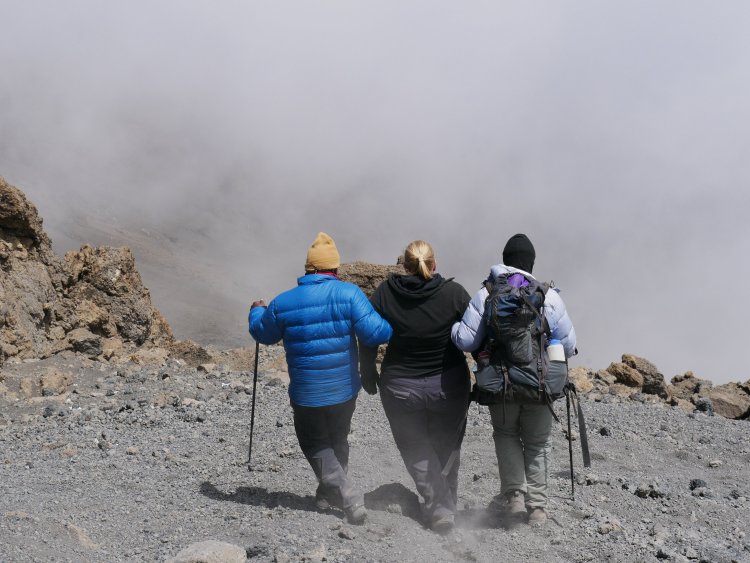
We head back to Stella Point as quickly as we can, and then back down the steep mountain face through the scree which is no longer frozen. It’s like skiing on sharp pointy rocks, with a very long way to roll down the mountain if you fall over. Reinforcement porters from our camp meet us half way down the mountain, to carry the packs (our guides and summit porter have been carrying our packs for a while now) and help us through the scree. Kirsten is going at a glacial pace because she is terrified of slipping, and ends up with a porter under each arm guiding her in where to put her feet and making sure she doesn’t fall. At this point she starts to have a lot of trouble breathing, and when the guides check her oxygen levels they have dropped way down to the low 70s. We push on back down to Barafu, stopping regularly for Kirsten to cough, and then try to gasp in some oxygen.

We make it back to Barafu around 3.30pm, but the day isn’t done yet. We ask if maybe we could just stay here for the night, but our guides say it’s important for us to descend at least one camp further because of the problems we are both having with the altitude now. We have an hour to pack up our things and eat some lunch. We both only manage a bowl of soup, and then we are off again. The walk to Millennium camp would be an easy one under normal circumstances, but it is far from it in our state of exhaustion. We go at a crawling pace, with Kirsten still struggling to breathe. Our guides give her supplemental oxygen at one point, which helps a bit. Our toes take a beating, having removed some of the extra sock layers we had on for the summit. We both end up with black toenails from this part. Kirsten also manages to rub up two giant blisters on her heels. We are beyond exhausted, and start to hallucinate things off the side of the path in the darkness.

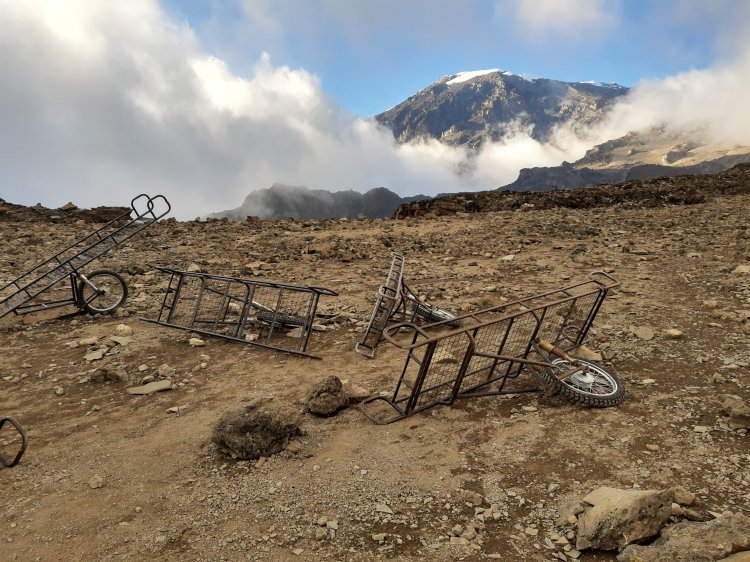
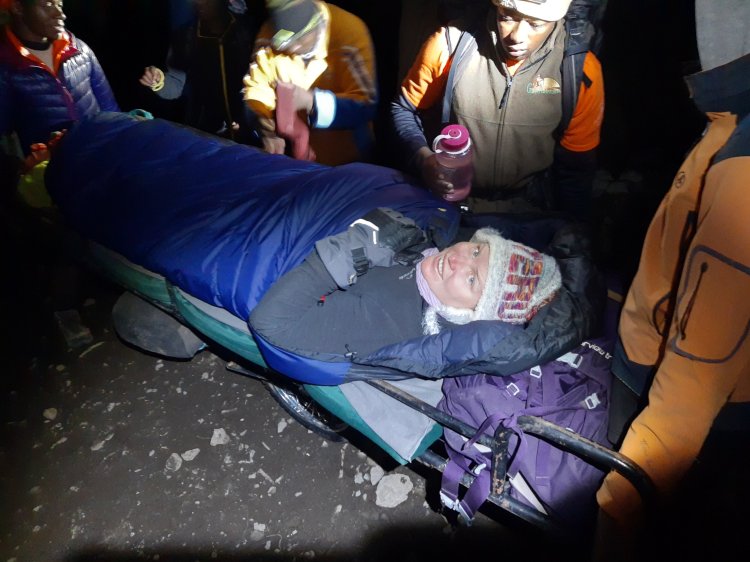
We finally make it to Millennium camp around 8.30pm. Kirsten falls asleep sitting upright in the dining tent. We can’t eat anything and just want to crawl into bed, but Kirsten is still coughing and feeling like she can’t breathe, and has started to cough up a tiny bit of blood along with the mucus. Her oxygen levels are still in the low 80’s, and our guides are worried about what could happen if she deteriorates in the night. Our guides make the call that we need to descend to the next camp, and it becomes clear that the helicopter we had always imagined would rescue us in such a situation is of no use to us now, because they only fly in the daylight. The only way to descend is by walking, or via a stretcher that’s welded to a mountain bike wheel, pushed along by porters. Kirsten REALLY does not want to go in the stretcher, having read that people often end up with more injuries from the stretcher ride than they had in the first place. But our guides say that if we stay Tim needs to sign a waiver saying we accept the risks of staying against their advice. So we agree to go. Tim has the choice between staying where he is for the night and walking down to the next camp in the morning, or walking along behind the stretcher now. He somehow manages to dig down and find the strength to accompany the stretcher for a terrifying 2-hour journey down to the next camp – running along behind it dodging rocks and trees. Our wonderful porters (who only made camp a few hours before) are split between pushing Kirsten in the stretcher and disassembling the rest of our camp and moving it down. We set out at midnight and arrive at Mweka camp at 2am. Kirsten’s oxygen levels have finally come back up to the low 90s, and the wheezing has subsided. We fall into our sleeping bags, absolutely exhausted, and pass out straight away.

Kirsten putting on a brave face as she’s strapped in.

Day 8

Mweka Camp to Mweka Gate (1,630m)

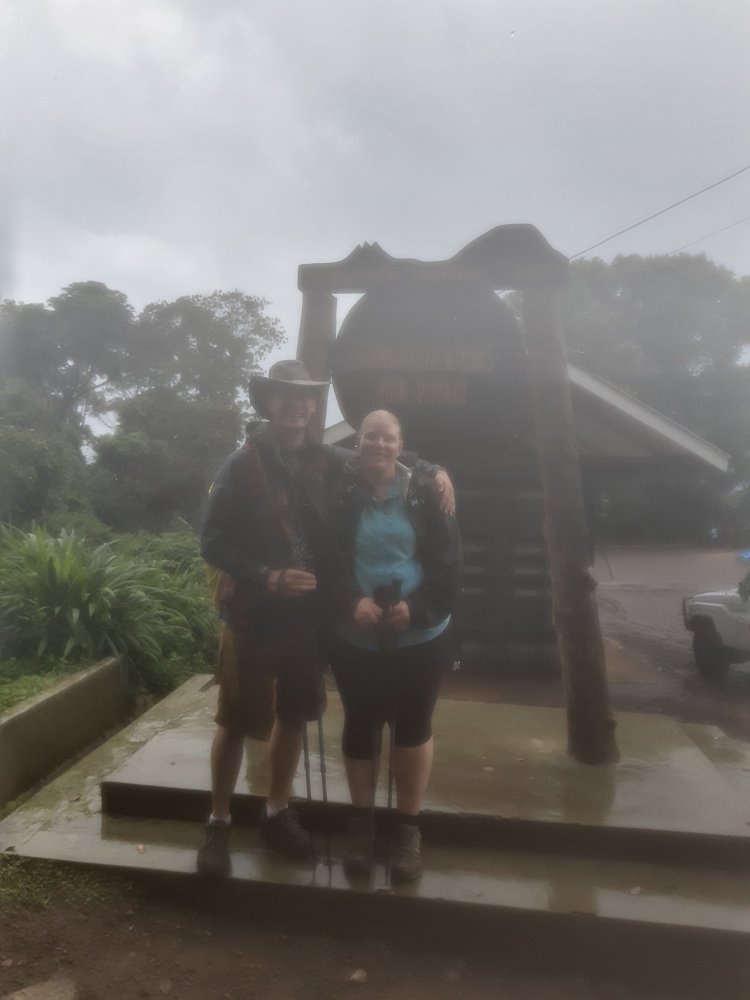
Up a bit later than our usual 6am after the horrors of the night before, we pack up our things one last time (with far less grace and consideration than usual). Everything we have with us is filthy and smelly, and we try to pick the least dirty thing to wear today. Feeling a lot better at the lower altitude, we set off to walk the final 10km to the park gate, down a pleasantly sloping path. It rains again – Kili’s big, wet kiss goodbye.

Too wet to even snap a clear photo at the finish!

We reach the gate where we receive our certificates, and then head back into Moshi. Kirsten still has a very wet cough and a wheeze, so we head straight to the hospital for a quick check up and chest x-ray to confirm there is nothing nastier afoot. The doctor gives her the all clear – just a bit of bronchitis – and tells her to rest and it will get better.

We head back to the Secret Garden hotel for the shower that we have been dreaming of for days now. In our heads the slightly run-down bathroom of this 2-star hotel (an open shower that splashed all over the floor, but had plenty of very hot water) had become a place we fantasised about. After we get clean, we share a burger (which we don’t manage to finish – it will be days before our appetites return) and pass out.

Week 6

Serengeti Safari

Well it’s been quite a while since we put one of these up! But boy do we have some stories to share! This is the first of three posts, as we felt we really had to cover the Serengeti and our climb up Mt Kilimanjaro in separate posts.

Us some 3 weeks ago – to remind ourselves what we looked like

So, let’s start with the safari! A truly unforgettable experience. Just a heads up, there’s gonna be lot of love expressed in this post and the next one for our tour company, Gladys Adventures. Based in Moshi, they were the organisers of both our safari and our climb up Kili and we can’t recommend these guys enough!

We arrived in Moshi after yet another long bus ride out of Nairobi (a quick lunch stop in Arusha is what held us up, when our van disappeared – with everybody’s bags – for a touch longer than the 30 minutes they announced; no explanation given). Arrived in Moshi a bit over two hours late, only to find that the saintly driver from our tour company had been waiting all the while for us – a kindness made more remarkable when we realised the office was barely a five-minute walk away! Perhaps what really set this experience apart was the fact his van had air conditioning (a dream we’d given up on after so many closely packed matatus).

At the office, we met with the wonderful Gladys herself, who makes sure to meet all clients before and after each of their experiences. We quickly dashed out to raid a whole bank of ATM’s (Tanzania’s largest note, 10,000 shillings, is just over $6 AUD) and collect some local sim cards with Airtel (more on this experience in the next post; spoilers – not great).

Raced back to our accommodation for the night in Moshi, the Secret Garden Hotel and our guide, Faustine, from Gladys collected us nice and early the next morning in a very roomy Land Rover – it was just the two of us on this trip. We set out for the Serengeti, about an eight-hour drive. We collected our chef, Morris, along the way too. Arriving at the edge of the park around lunch time. Faustine, with just over two years of experience, was an excellent guide – energetic, passionate and very funny.

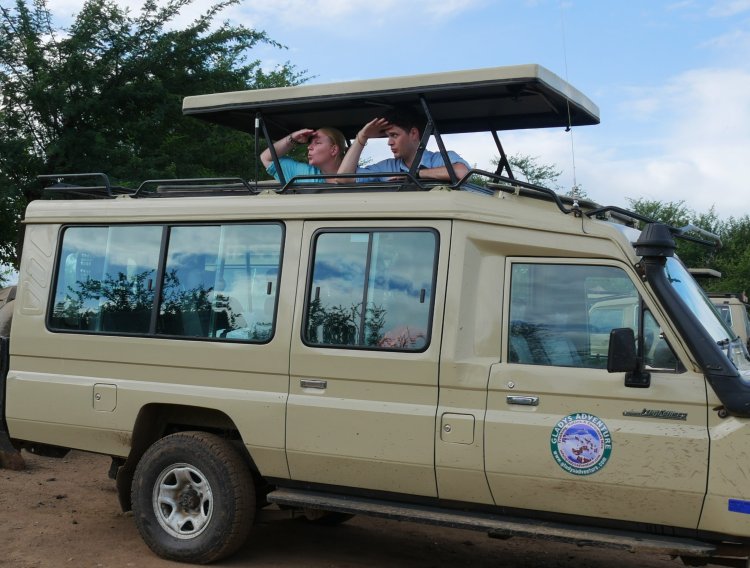
The nice and roomy Land Rover used by Gladys Adventure

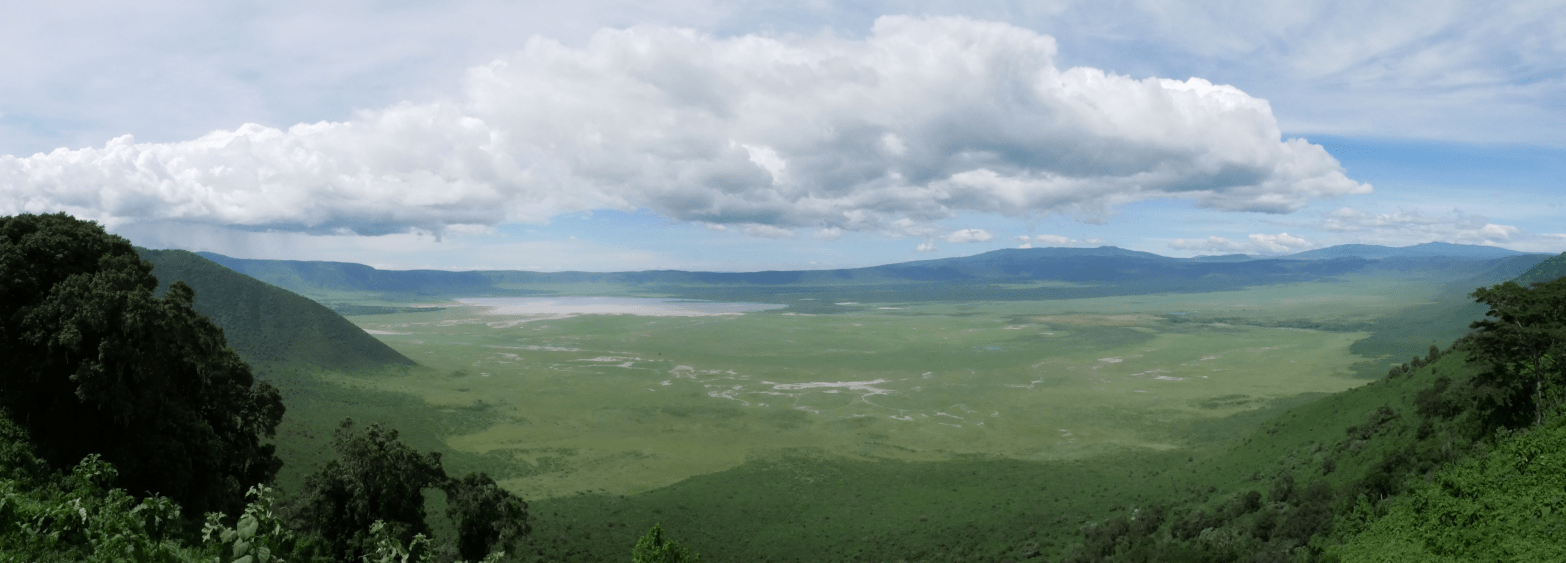
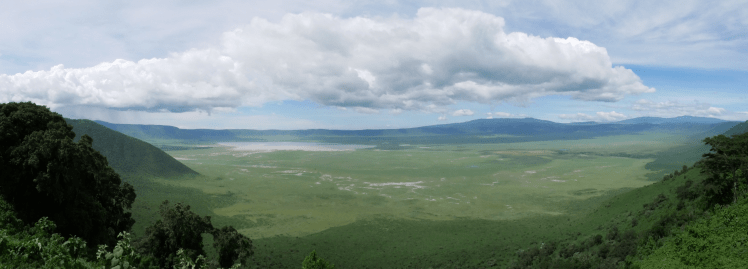
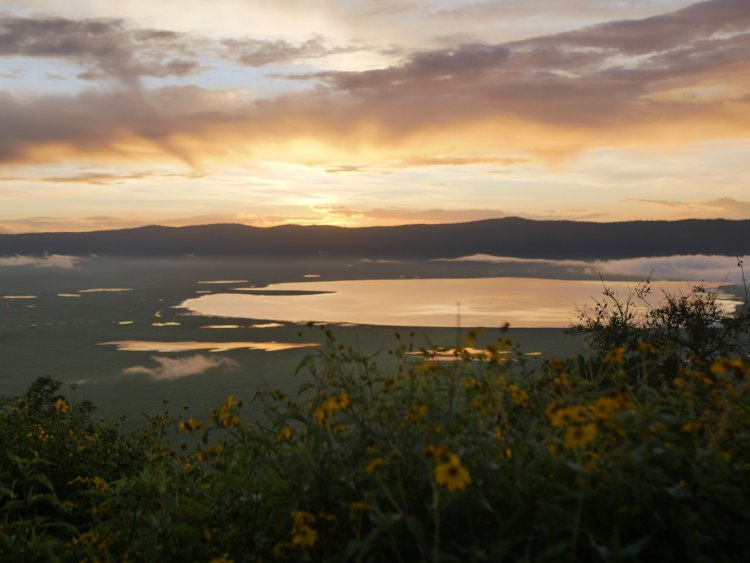
After skirting around the base of Mt Kilimanjaro, we started our approach to the Ngorongoro Conservation area – the landscape quickly changing back to that of the Masai Mara region. Our ascent up the side of the Ngorongoro crater is steep and the air cools quickly. The vantage point looking out over the crater is unbelievably breathtaking. Light dapples across the surface of the lake and grassy plains as fast moving clouds roll overheard. An entire ecosystem of waterways, forests and grasslands stretches across it. We move on, around the crater’s rim, then descending into the grasslands beyond the crater, towards the Serengeti.

The spectacular lookout over Ngorongoro Crater on the way to Serengeti

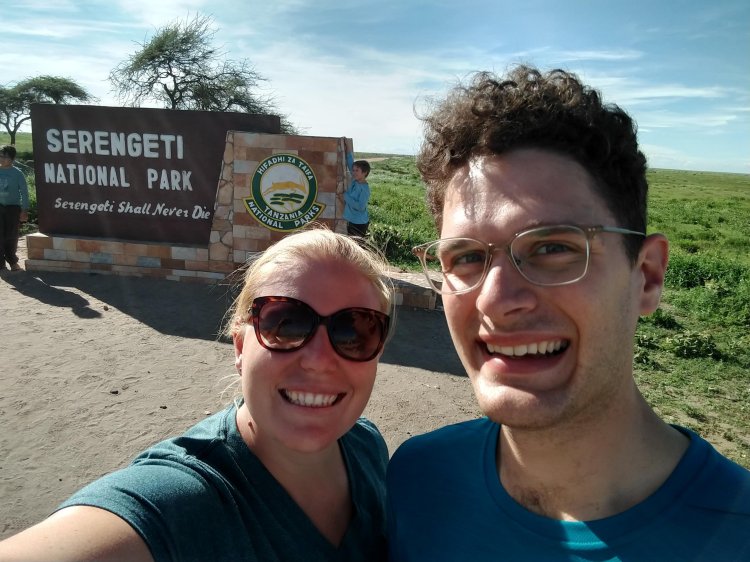
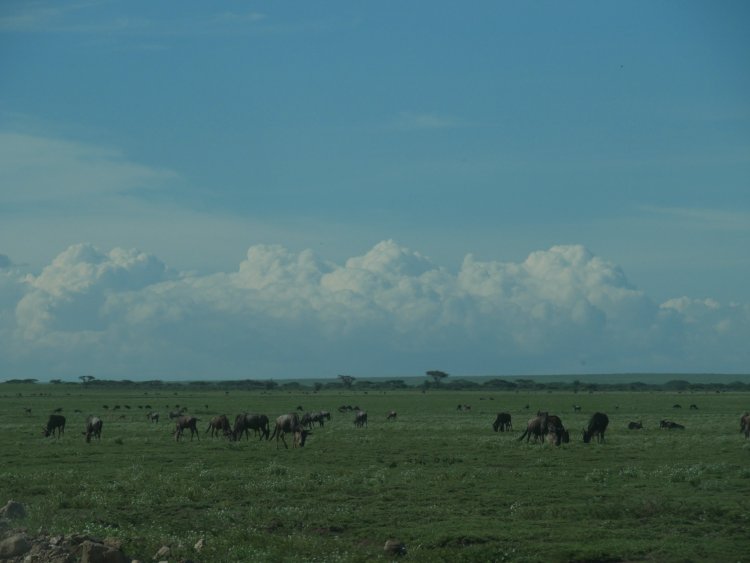
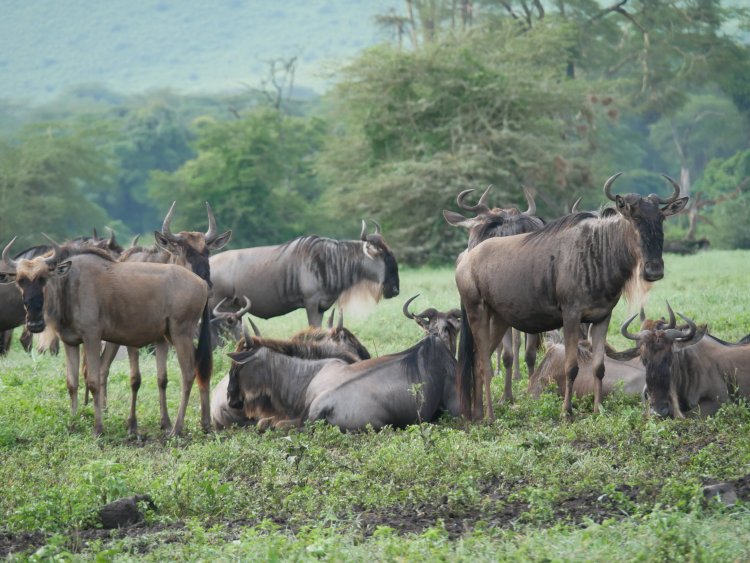
Very soon we start to spot Zebras, Antelope and Wildebeest madly crossing the roads as an endless convoy of Mzungus drive into the park. A quick stop at the border of the park for a photo and then we continue deeper into find a spot at one of the public campsites.

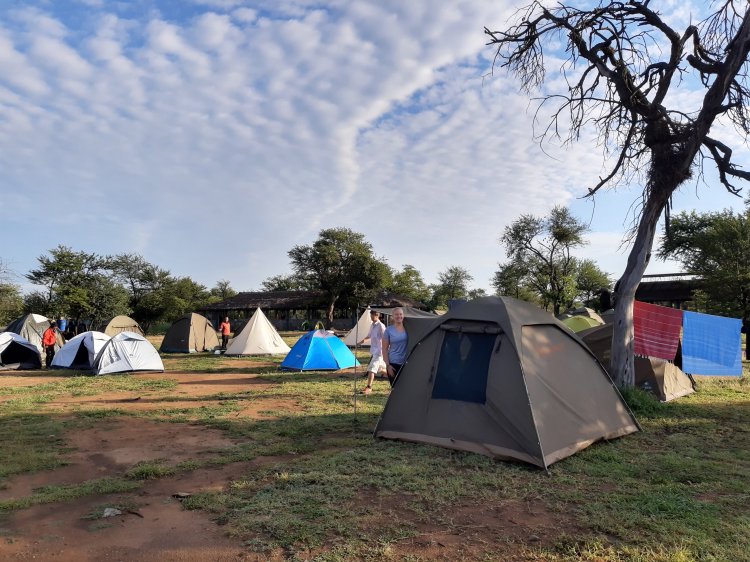
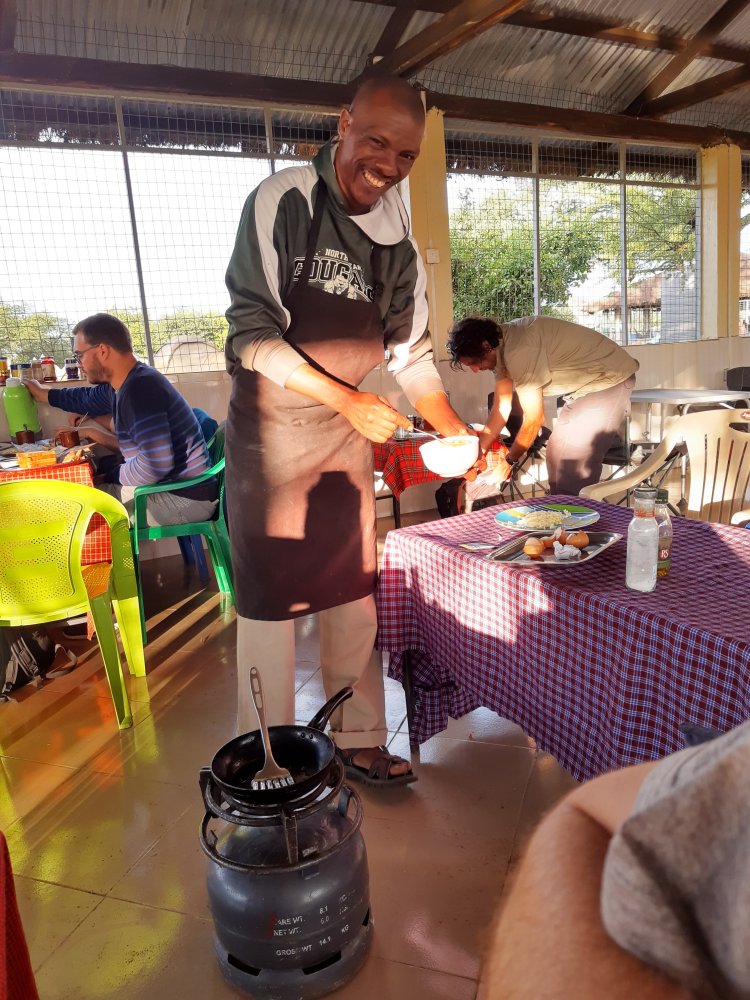
Our tent pitched and darkness descending, we get our first sampling of Morris’s cooking which is a huge feast, delivered with theatricality by our wonderfully eccentric chef. All of Morris’s meals across our four days are multi-course extravaganzas! We start to dub them ‘Magic Morris Miracles’ as he manages to whip up delights like freshly cooked brioche and cakes on a camp fire. We tell Morris he has to stop feeding us so much or he can come and roll us up Kilimanjaro. He isn’t having any of that, telling Tim “in Africa men eat a lot – so don’t let me down” (whilst wagging his finger).

The next morning, we are up early and heading out into the park to see if we can close the deal on spotting the remaining two of the ‘Big Five’ (Elephants, African Buffaloes, Lions, Leopards, Rhinos).

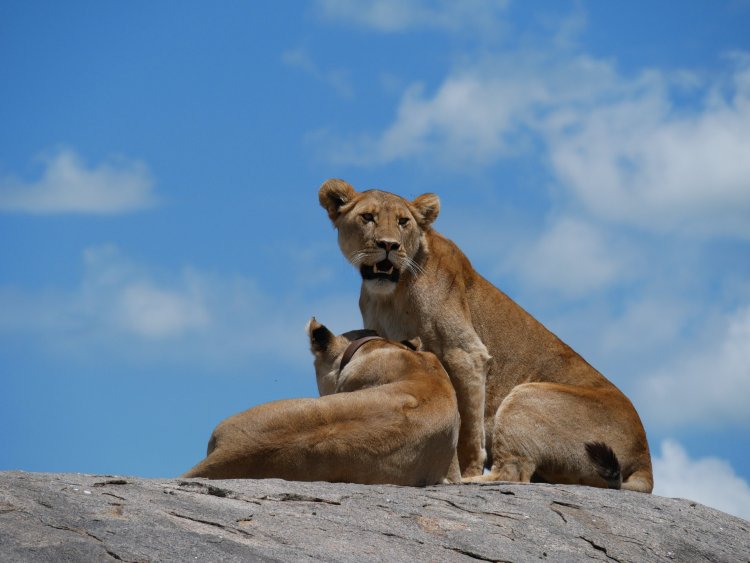
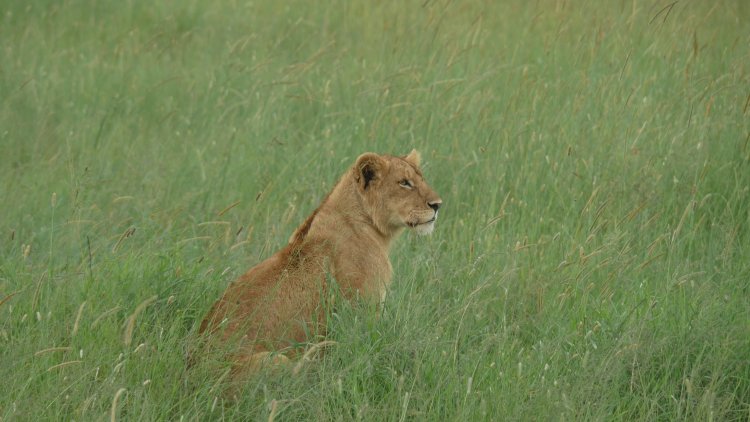
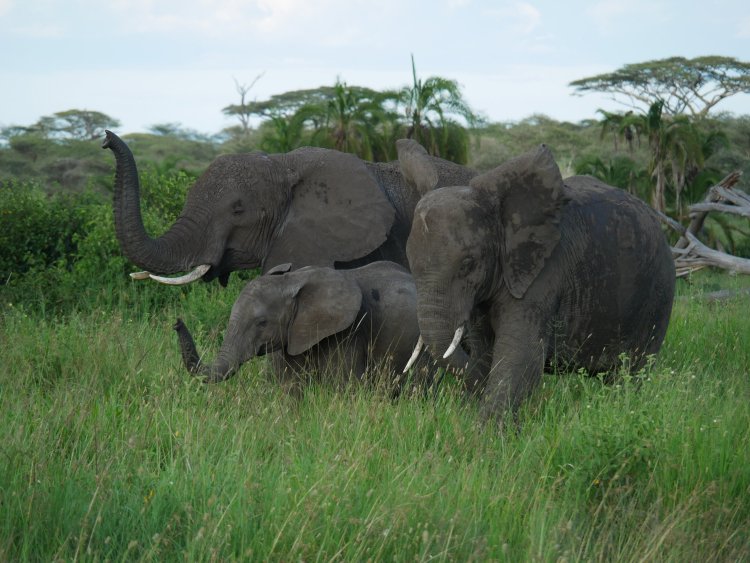
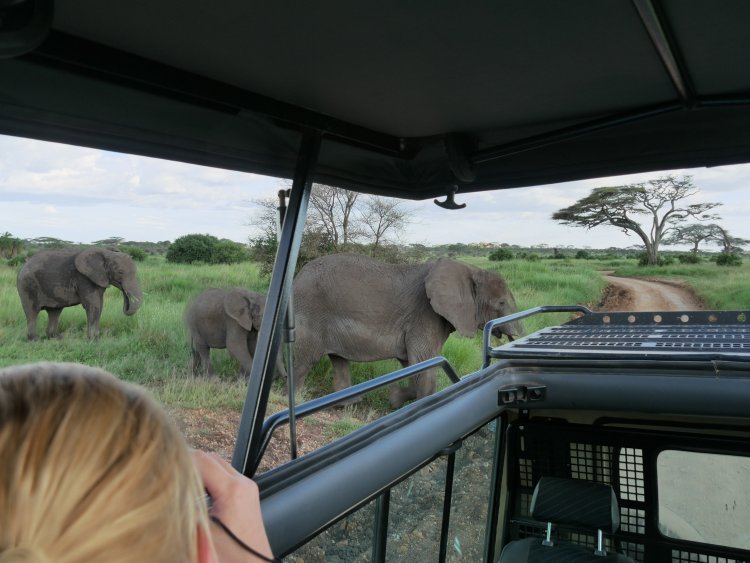
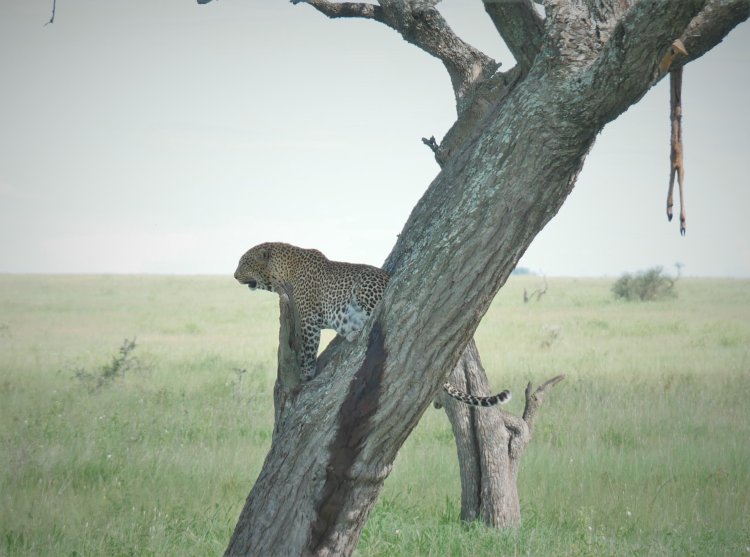
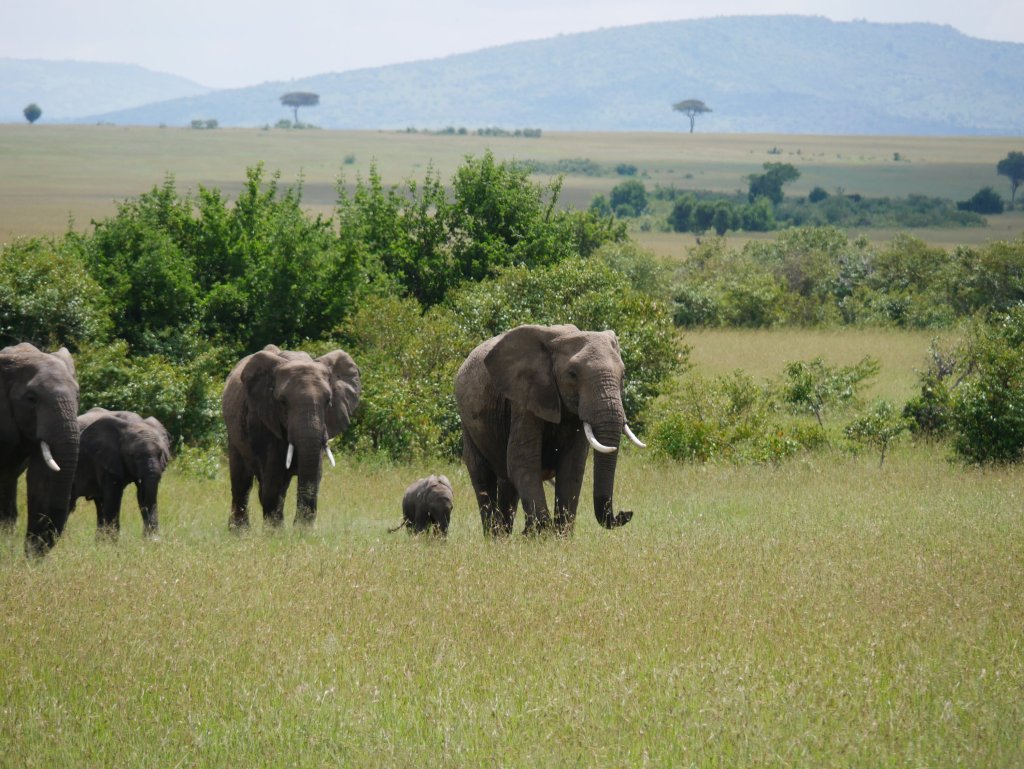
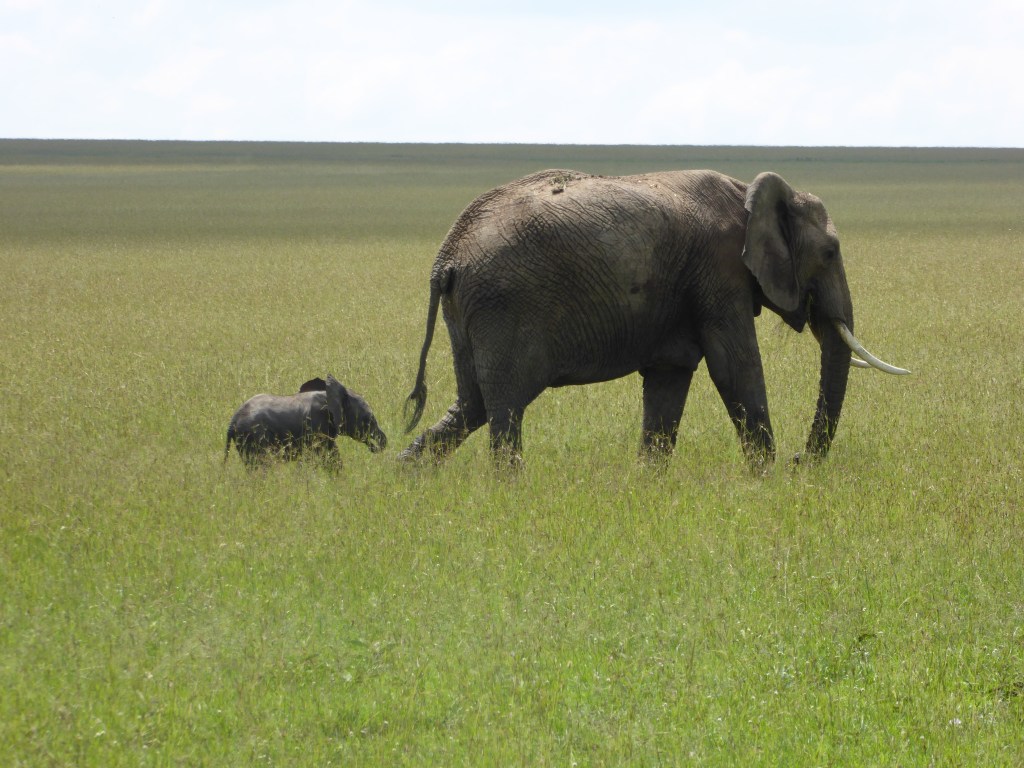
On our full day game drive in the Serengeti we managed to tick off the illusive leopard, came across a pride of lions atop a pride rock (just like Lion King!!) and had a very special encounter with a family of elephants (slightly terrifying when it became apparent we were in their way and they looked like they were debating whether to charge at us…)

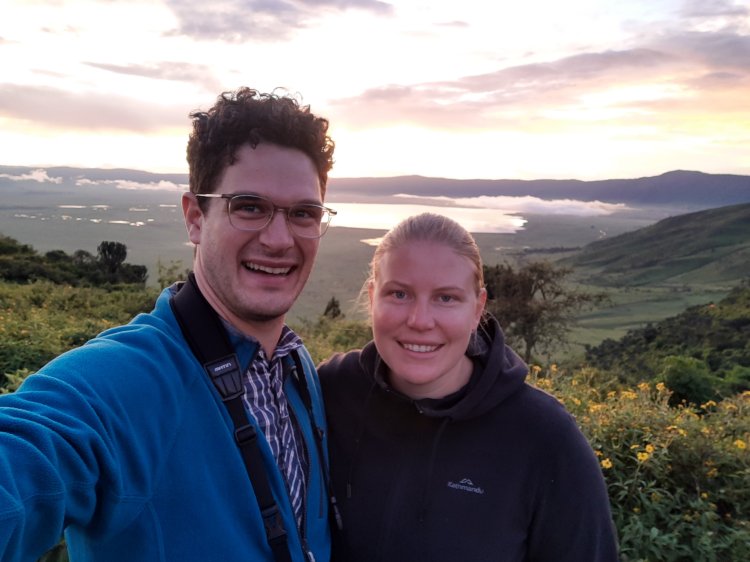
The next day we headed back out of Serengeti to the rim of the Ngorongoro crater, where we spent the night at another public campsite. Some other campers, informed us that a herd of buffalo and a few elephants wandered through in the night – despite our close proximity to the toilet block, we’re a touch relieved neither of us had to go in the night! We wake up before the sun in order to set off very early into the crater. The early start quickly proves worthwhile, as we catch a glorious sunrise overlooking the crater.

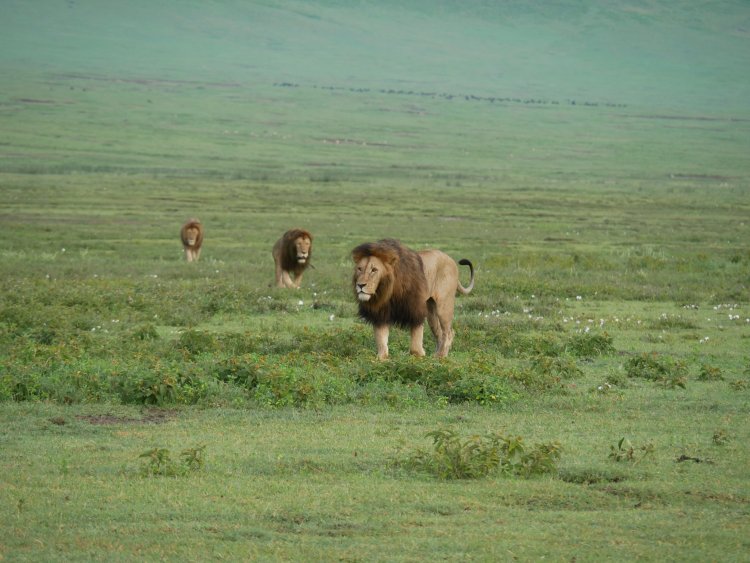
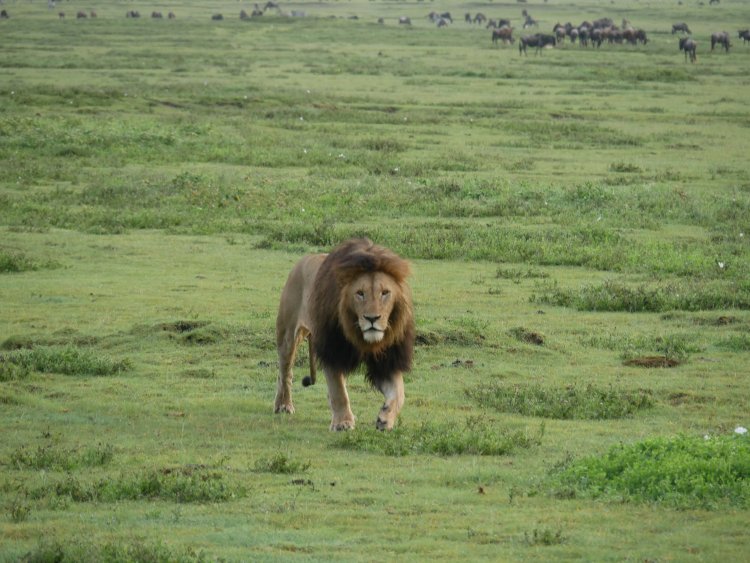
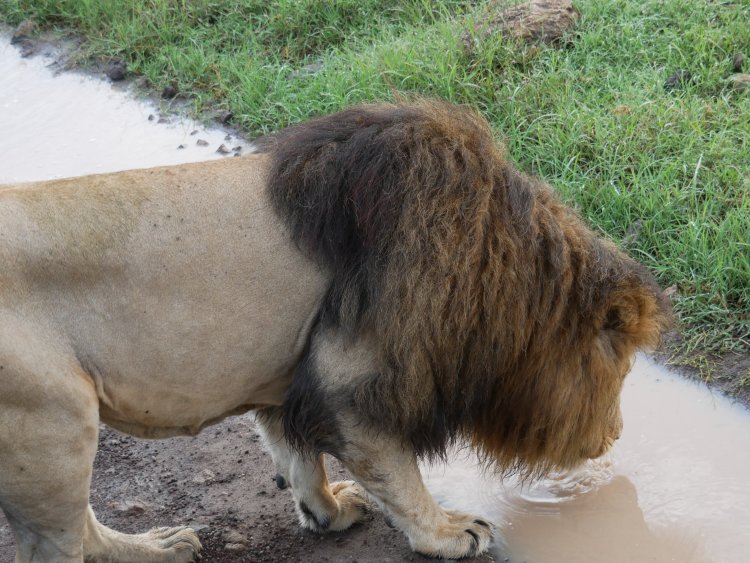
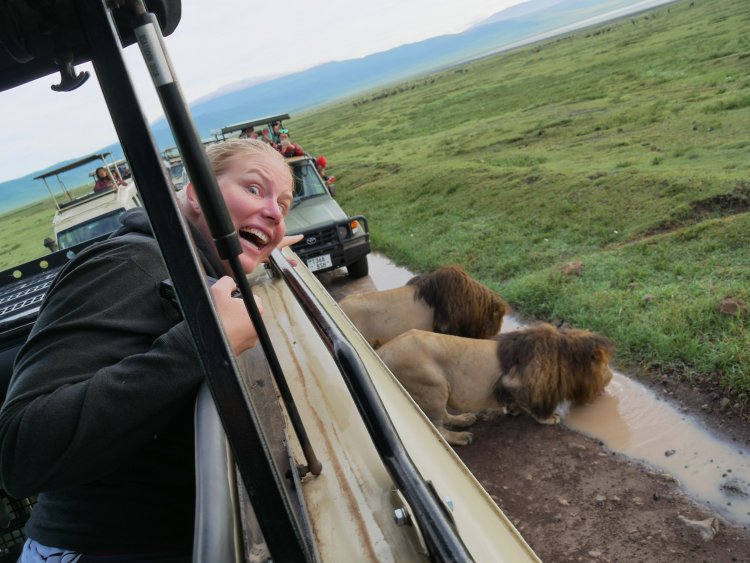
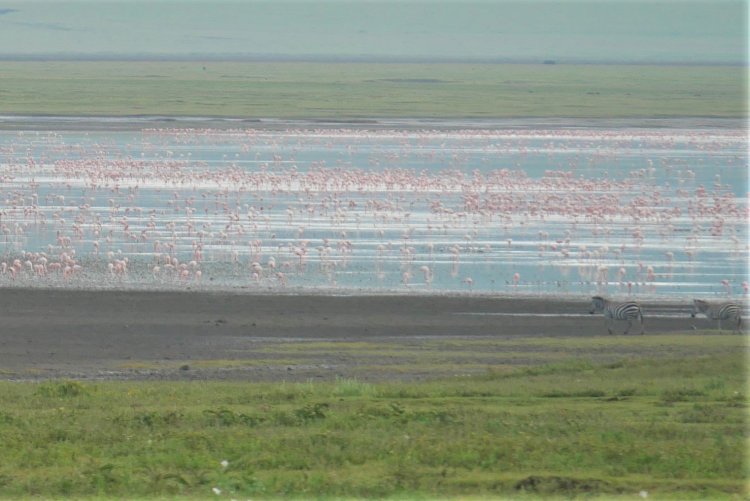
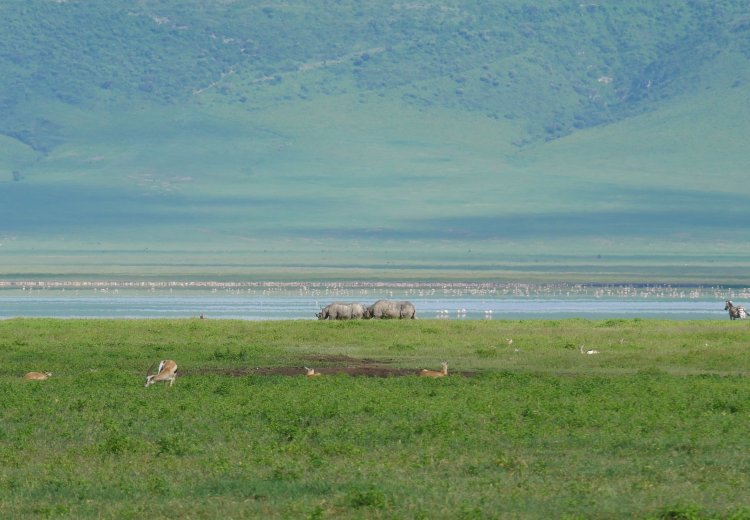
Down in the crater itself, we drive slowly along the road, some distance from the crater itself. In the morning light we can spot the thousands upon thousands of flamingos that stand in the lake’s shallow edges. We get up close to a roaming band of lions – like very close, possibly too close, as they lap up water in the tracks behind our stationery vehicle.

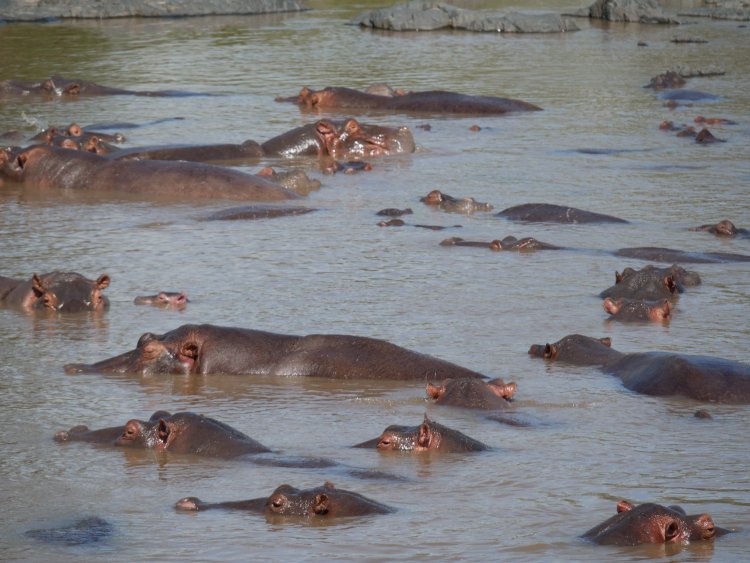
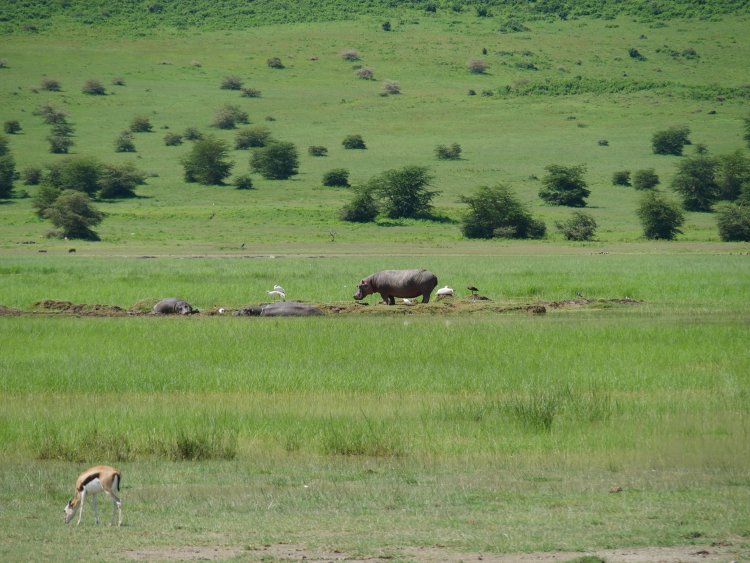
A little further along, through some forests and on the other side of the lake, we finally sight the last of the Big Five – a Black Rhino. Seen at quite a distance as they are wary of humans (so very few remain in existence; only some 60 Rhinos inhabit the crater), we are lucky enough to spot 6 of them as we continue around the lake. Past a smaller lake that is brimming with Hippos, we head back up out of the crater and start heading back to Moshi. A few heartfelt farewells to Morris and Faustine and we arrive at our next accommodation in Moshi. The Salinero Hotel, booked for us by Gladys, is a very comfortable stay indeed. With a large bedroom, sitting room and ensuite (separate bath and shower!) there is plenty of space to hang all our laundry.

Can’t forget to mention the wonderfully serendipitous run in we had with our fellow Canberra Bilbys Triathlon Club member, Erika, at the Serengeti National Park offices. It was a terrific coincidence after we had missed each other in Moshi a few days earlier.

Week 5

Kenya and Tanzania

What we did

Happy New Year!! 2020 has started off with some amazing experiences for us. However it has been impossible to take our minds off the tragedy befalling our beautiful home in Australia. The reports we’ve been hearing from family, friends and on the news have been devastating. It is surreal to comprehend as we travel around the lush, green and sometimes flooded regions of East Africa. Our love and prayers are with all of you back home.

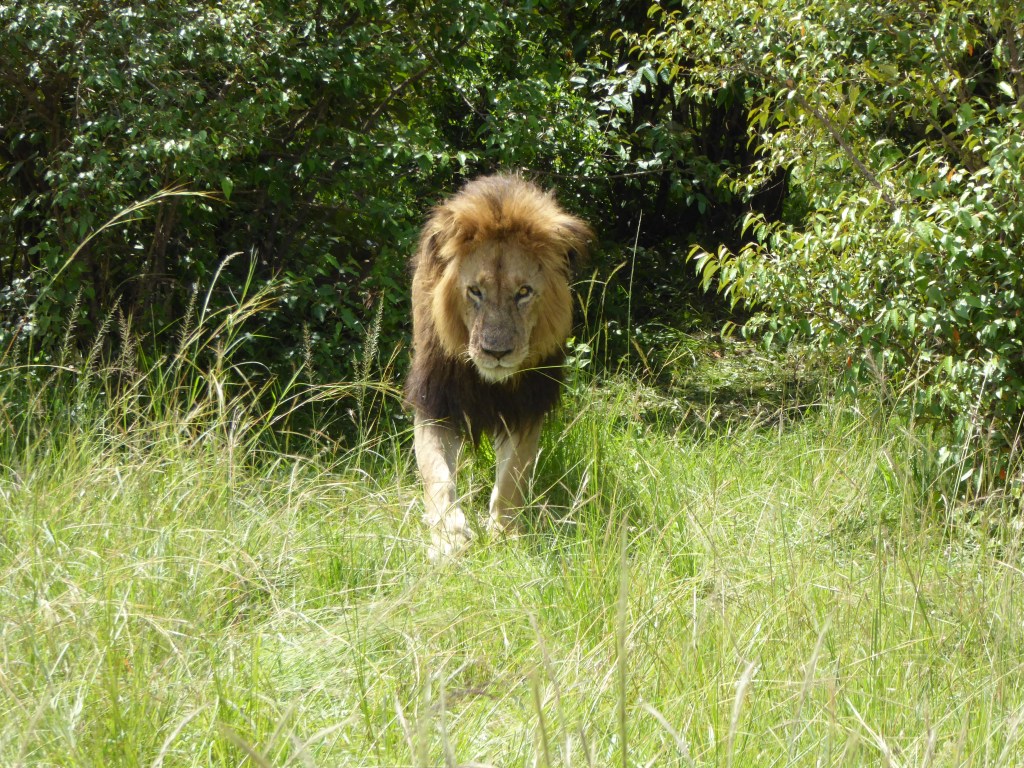
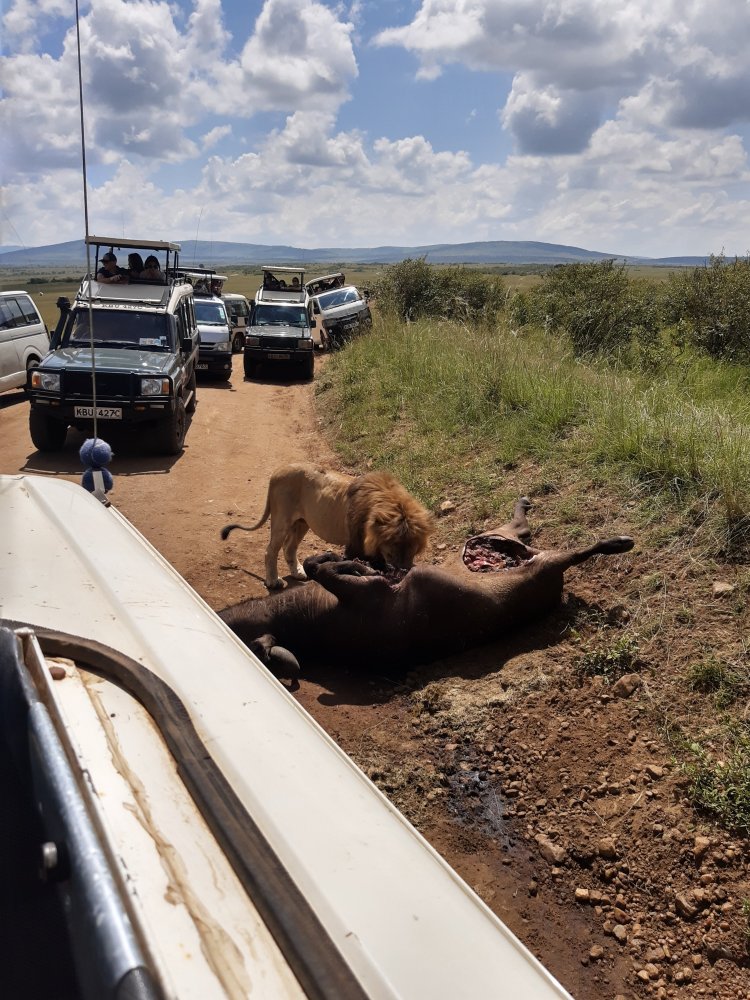
Last Sunday we made our way South through Kenya to the Maasai Mara and we were blown away from the moment we entered the region! On Monday we began our safari in the Maasai Mara National Park and we were unbelievably lucky to have some VERY close encounters with lions and elephants.

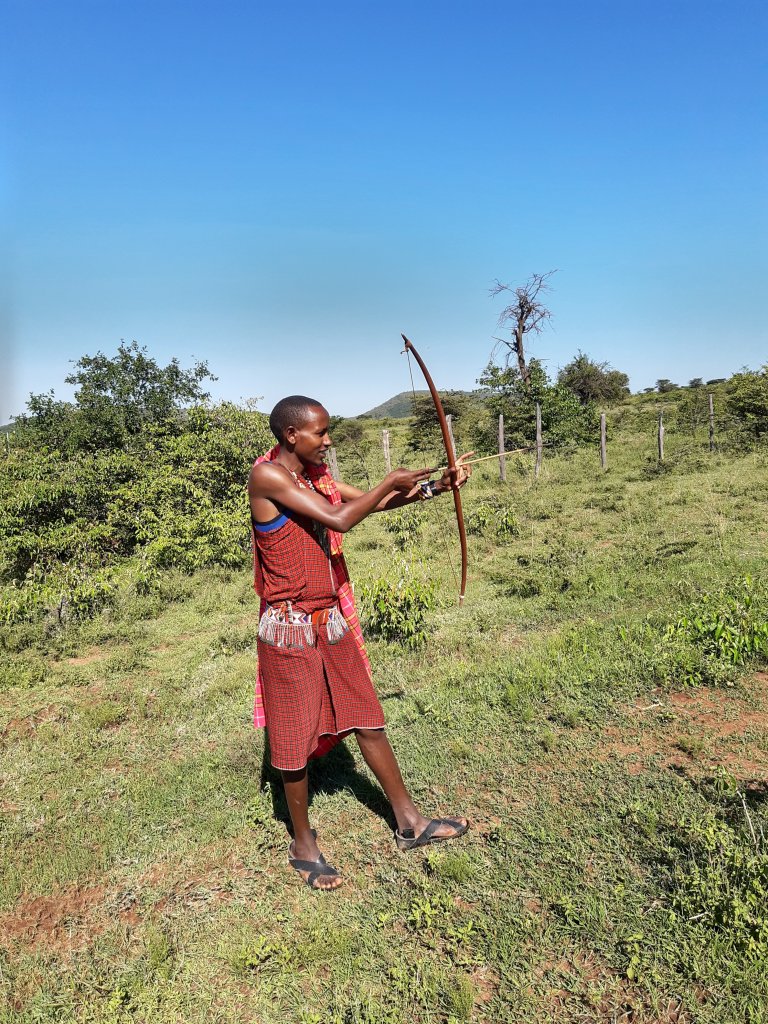
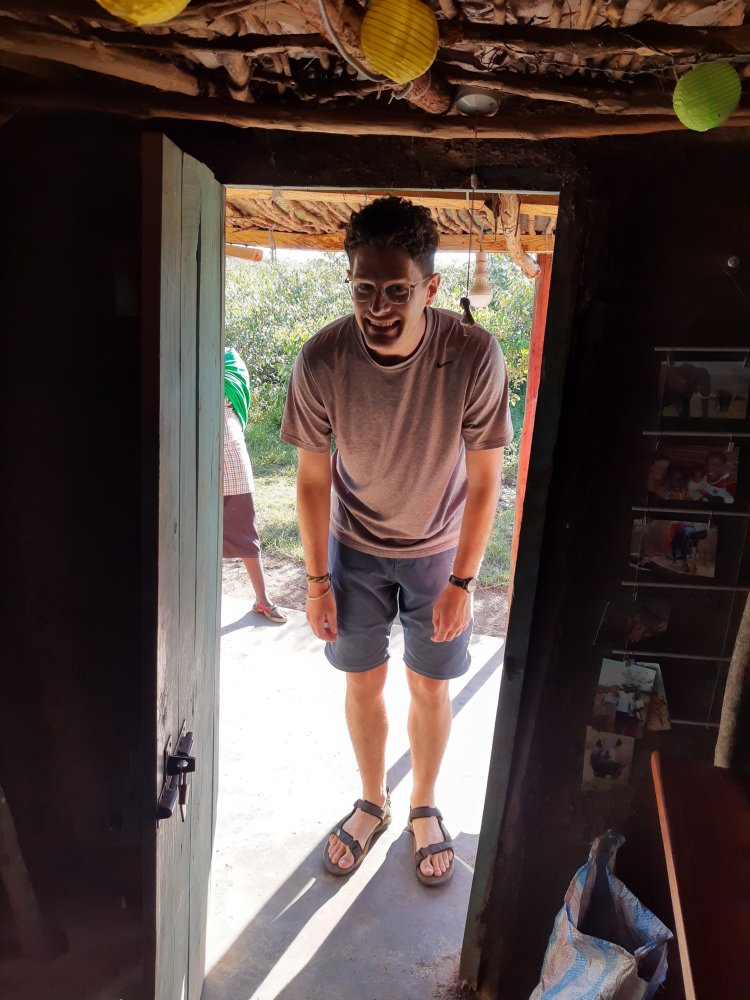
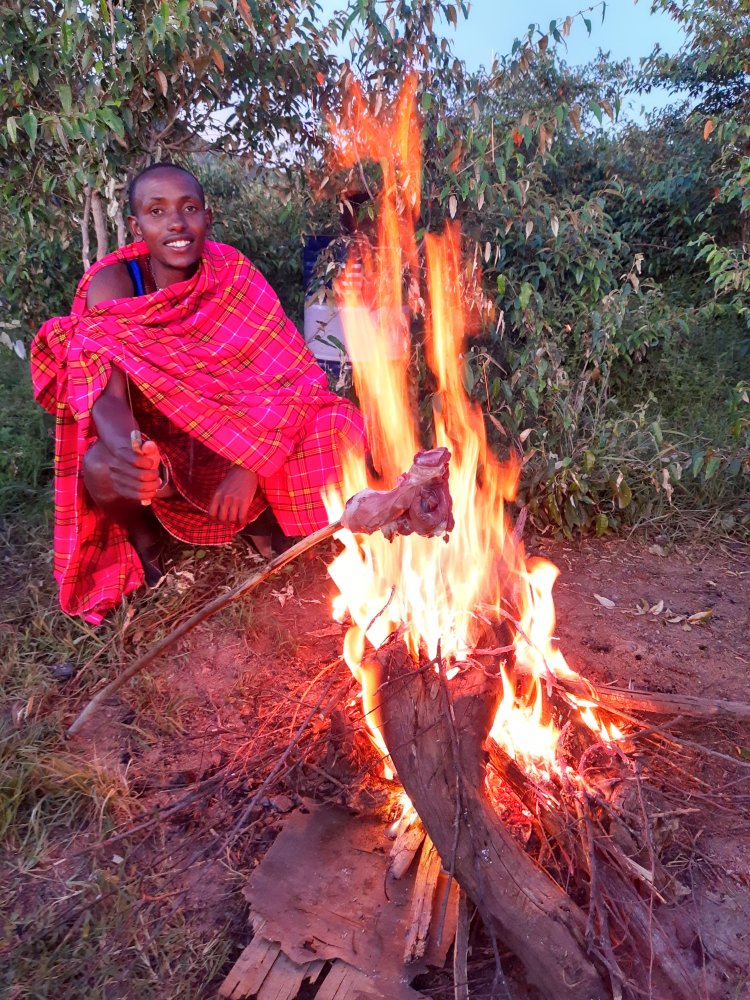
After our game drive, we began our two night homestay in one of the local Maasai villages. On Tuesday we went on a short hike, in the company of two Maasai warriors, up to the top of a nearby hill which overlooks the National Park. During our walk, our lovely guides, Yakob and Coriata (or Coriander, as Kirsten nicknamed him), demonstrated use of traditional weapons and tools to us. Early into our walk, one of them strung up a small bow and knocked an arrow – “for the lion” they reassured us. Throughout the walk, Yakob pointed out many different trees, bushes and roots; explaining in detail their medicinal or nutritional purposes. We even crossed paths with one village’s Medicine Man who was preparing some tree roots as ingredients for a large bottle of suspect green liquid – the Maasai’s equivalent of a multivitamin, Yakob informed us. It was a great insight into the Maasai’s use of and relationship with the land.

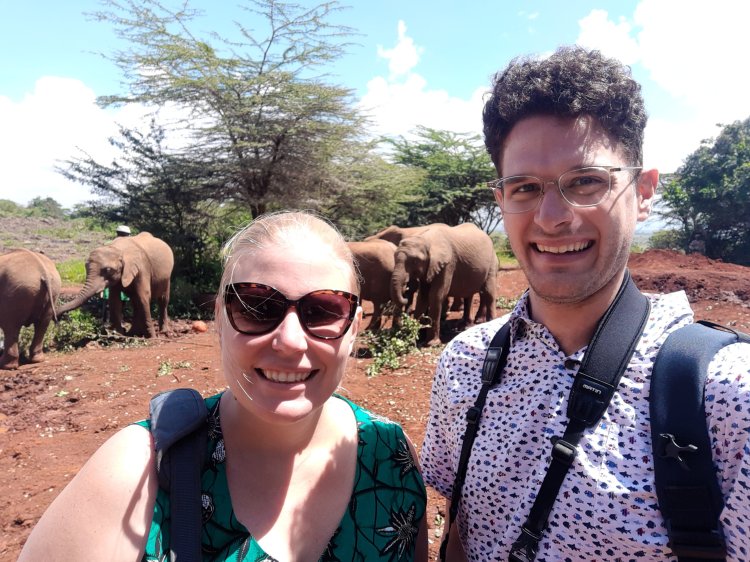
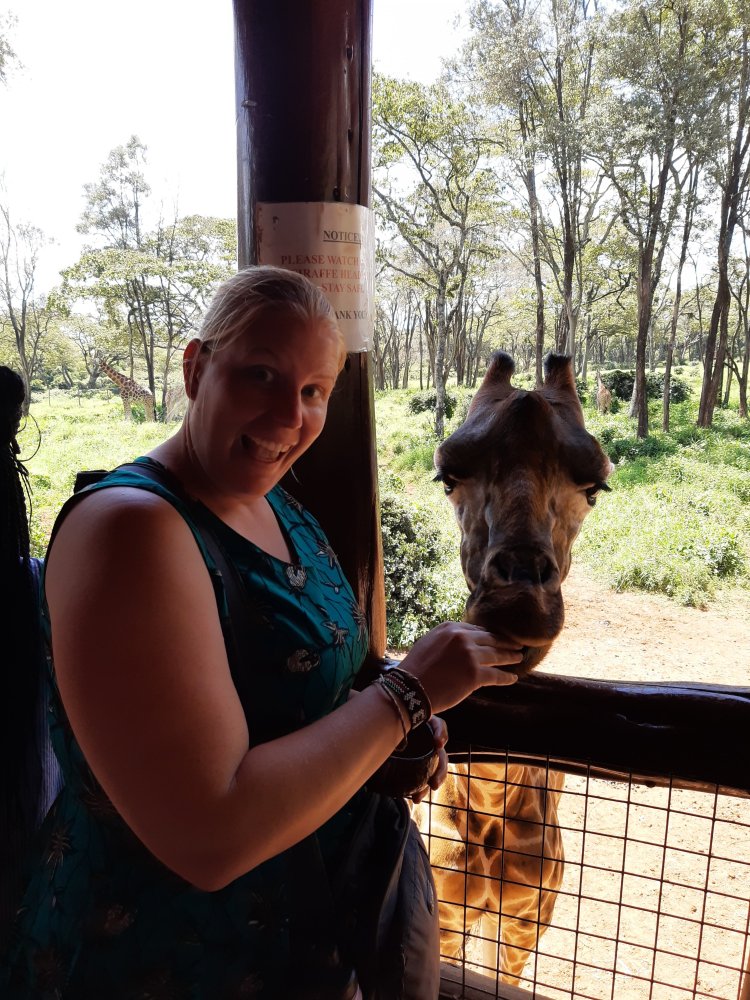
On Thursday, back in Nairobi, we got up close with some baby elephants at the Sheldrick Elephant Orphanage. We also had the opportunity to hand feed Giraffes at the Giraffe Sanctuary.

On Friday, we arrived in Moshi, and caught our first glimpse of Mt Kilimanjaro, which was terrifying and no reassurance at all ahead of our climb next week.

On Saturday we began our safari in the Serengeti National Park and we will be back in Moshi in a few days to make final preparations for the climb up Kili. Will hopefully manage a post after our safari, but might be a while before we are posting again once we start the climb.

Favourite thing we did

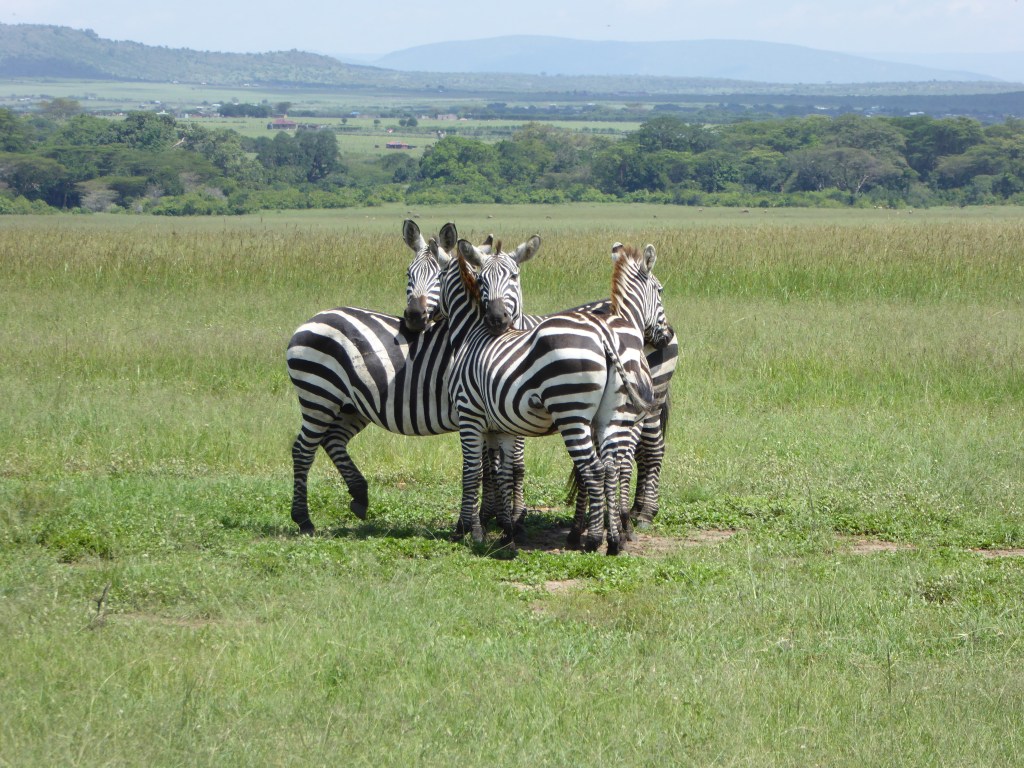
The safari in Masai Mara was simply spectacular. We couldn’t even begin to name all the many species we came across, but some standouts included Cheetahs, Giraffes, Zebras, Buffaloes, Wildebeests, Thomson Gazelles, Hippopotamus, Warthogs and of course Hyenas. The highlight has to be when we came upon a lion, lazily napping in the bushes just metres away from the large Buffalo he had taken down that morning. When he stood up and came within touching distance of our truck to continue his feast, you could feel the quickening heartbeats of everyone onboard. We had lunch in the shade of an Acacia tree, in a large open field, Antelopes and Gazelles grazing nearby (the guide nursing a heavy wooden club on his lap – “for the lion”).

Least favourite thing we did

Walking around Nairobi. Popular known as “Nai-robbery”, we never felt especially comfortable exploring the city. Seemingly heckled (the most aggressive we’ve encountered in Africa) by every man and his dog wherever we went, we did not venture more than a few blocks from our hotel on foot.

Favourite thing we ate

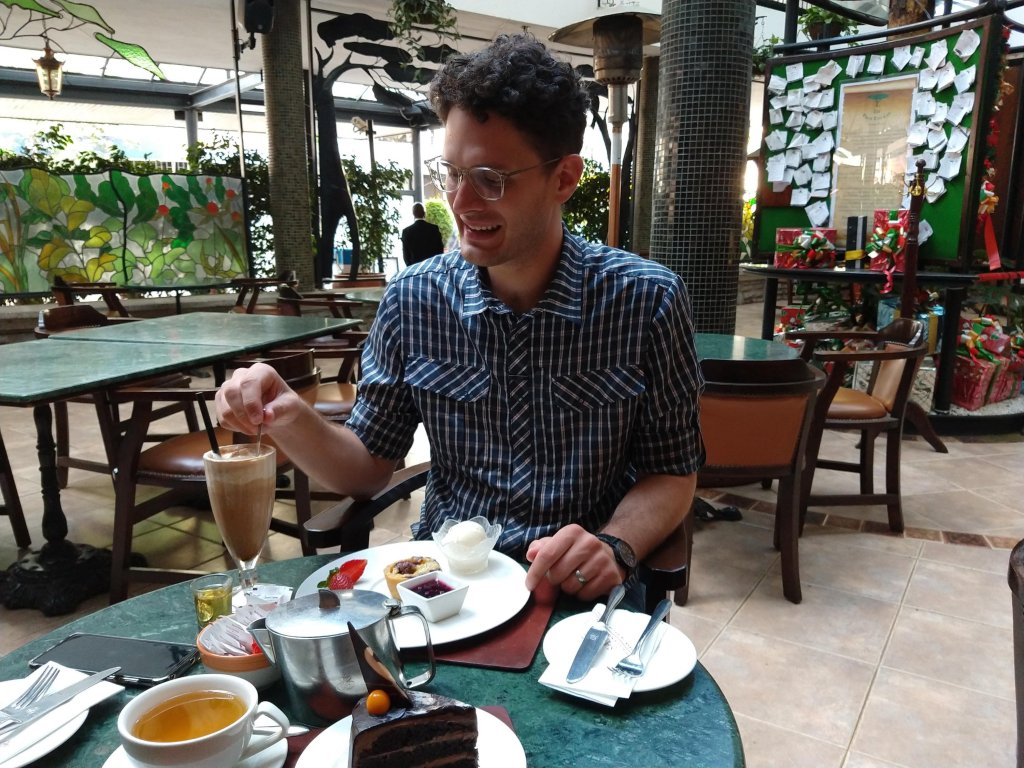
For Kirsten it was the Chocolate cake we treated ourselves to at the Thorn Tree Cafe after returning from 4 days of eating ugali (corn meal) in the Maasai Mara. Came with a pot of tea (a pretty good deal at 400ksh).

Kirsten’s cake…and Tim’s tiny tart that cost three times as much

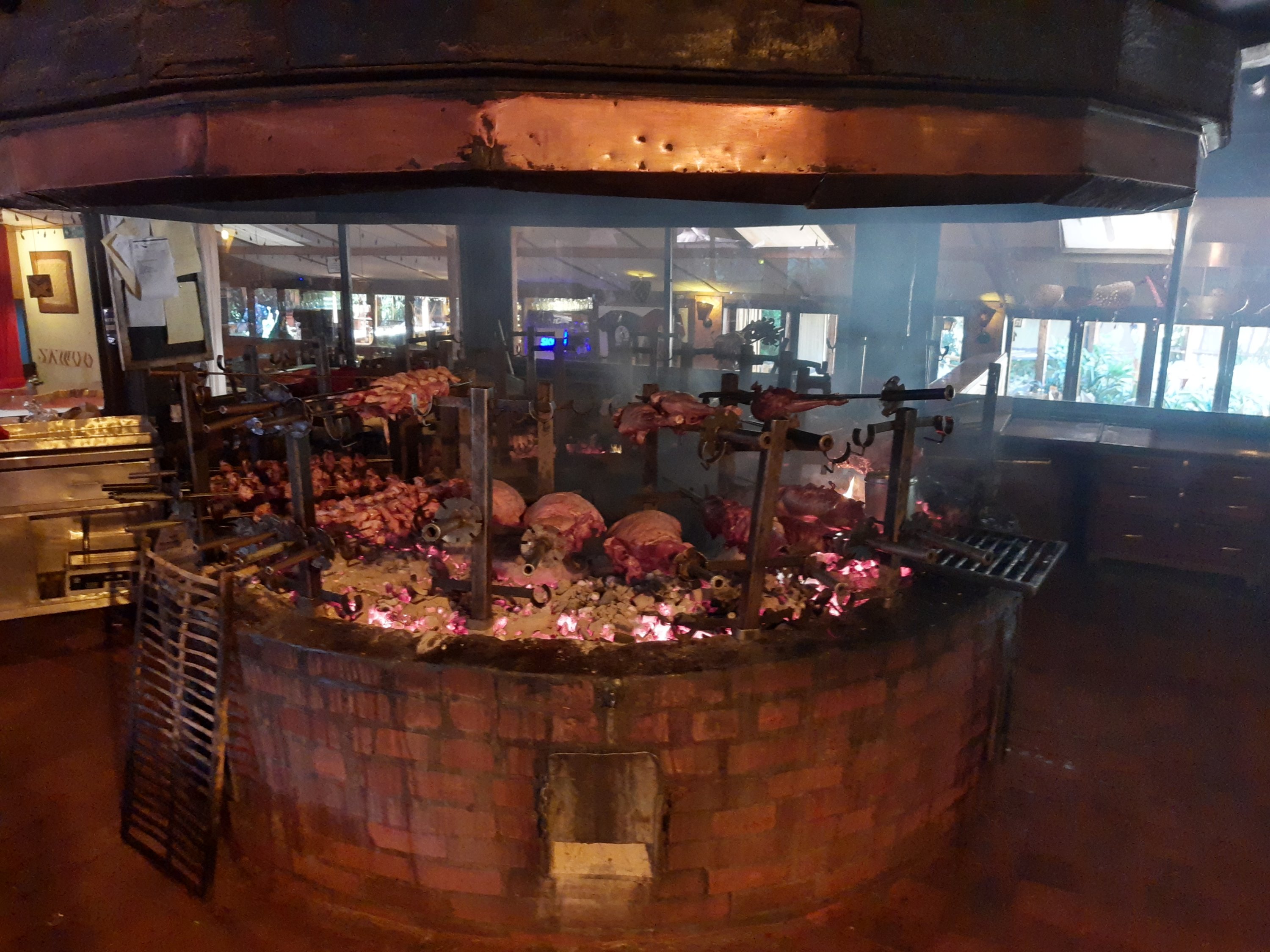
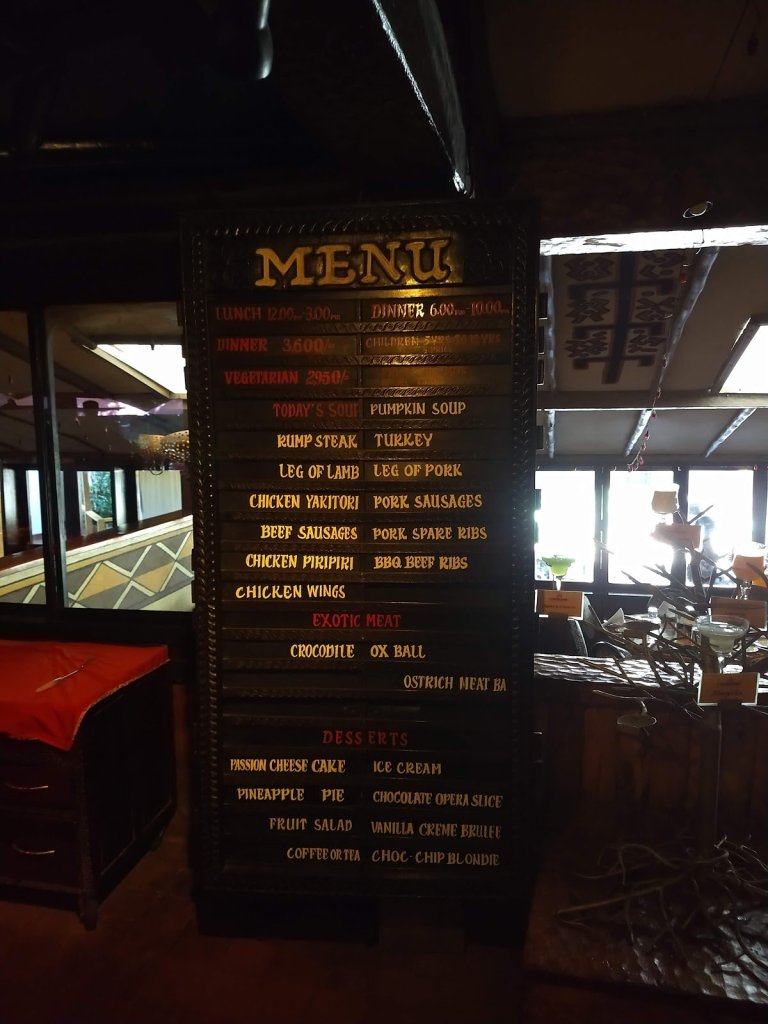
Tim can’t go past the meat-fest that was the buffet at Carnivore restaurant in Nairobi. The extensive array of dishes are continually plopped on your plate by waiters for as long as you can go. When you do at last admit defeat, you must indicate so by laying down the little paper flag wedged into your table number. That’s when the desert menu is offered.

The grill at Carnivore is not for the faint of heart (or triple bypass patients)

Favourite thing we drank

Maitais at Secret Garden Hotel in Moshi. 10,000 Tsh ($6.20 AUD). Refreshingly cold with a generous pour of Rum.

Biggest splurge of the week

Carnivore restaurant in Nairobi. 3400 ksh ($50 AUD) each for the buffet. It was all you can eat, sure, but we arrived a little late in the afternoon and maybe a little too full to take advantage of it.

Best deal of the week

The safari and homestay with the Maasai village, arranged through Namayiana Safaris, was a fantastic deal. Can’t recommend it enough. The homestay experience in particular was a real treat, with all meals, accommodation and activities included in the price. Our safari guide/driver was very experienced and informative and the vehicle provided was well up to the task.

Week 4

Uganda and Kenya

What we did

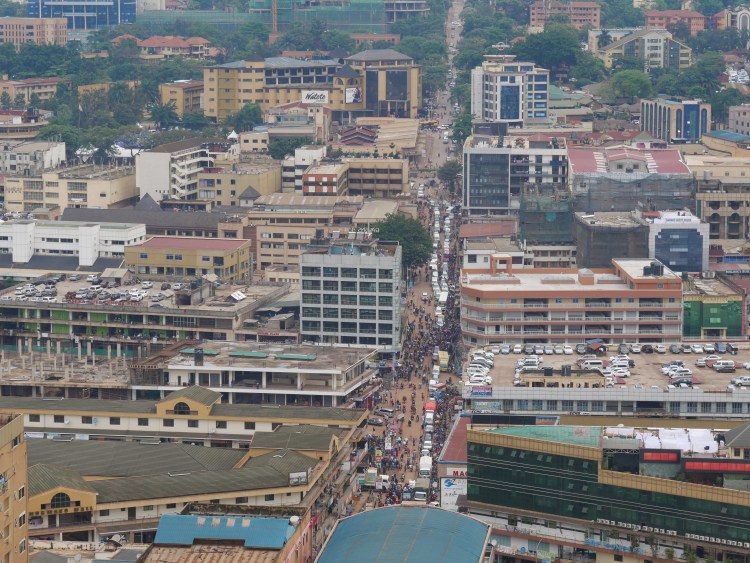
We began the week in Kampala, with Tim just having recovered from his tummy bug. On Monday we did the ‘Big Kampala Walking Tour’ with a local guide (Joan). We explored the chaotic streets of downtown Kampala and took in the sights, sounds and smells of the main city markets.

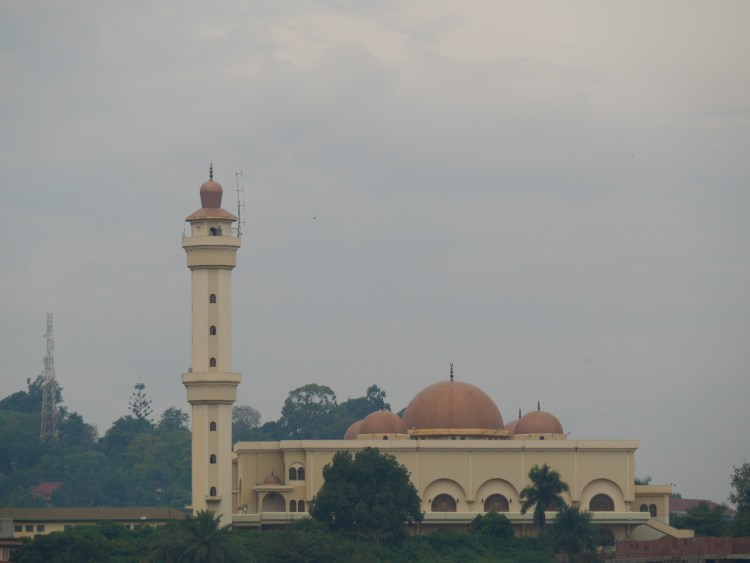
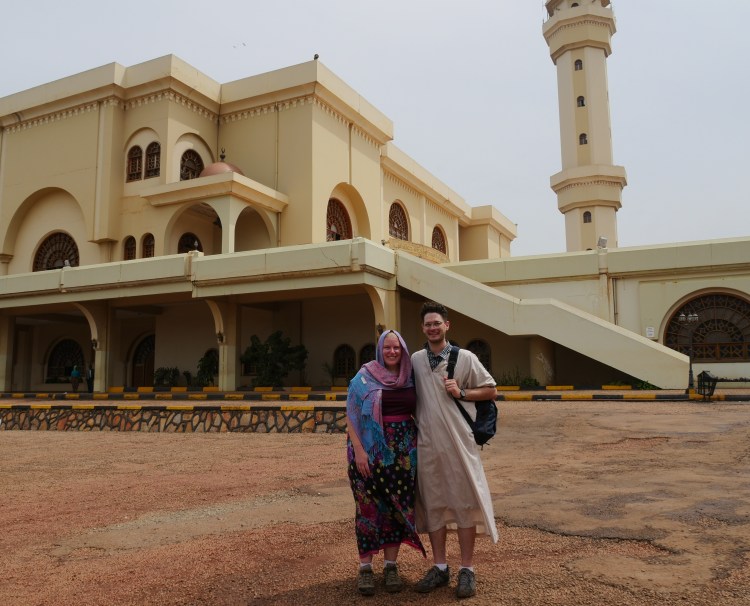
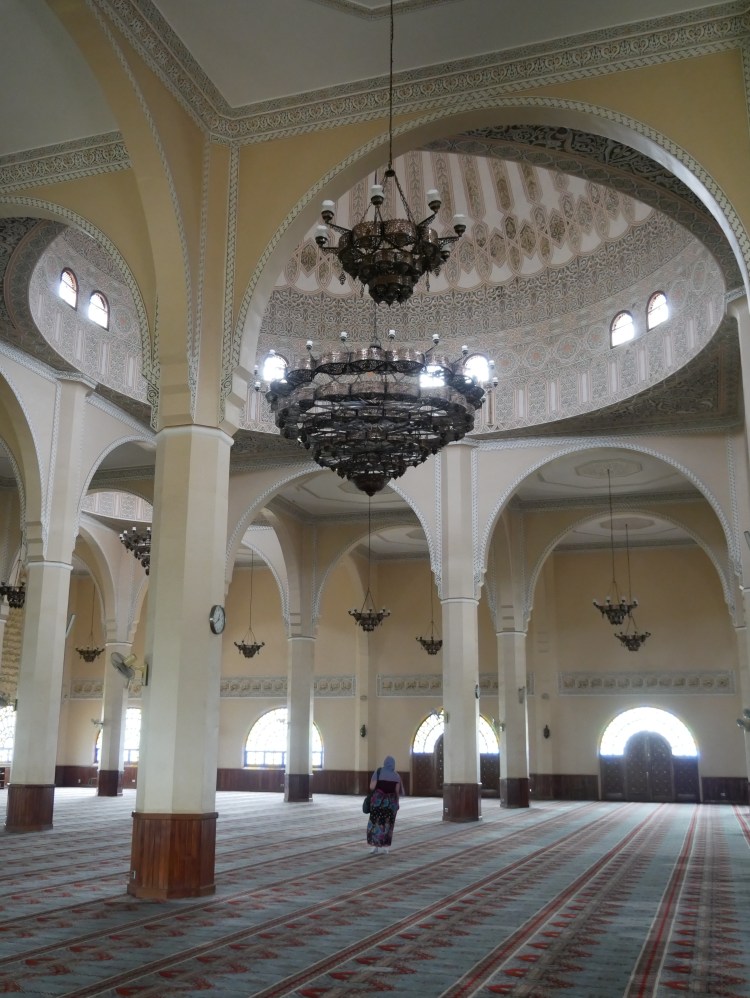
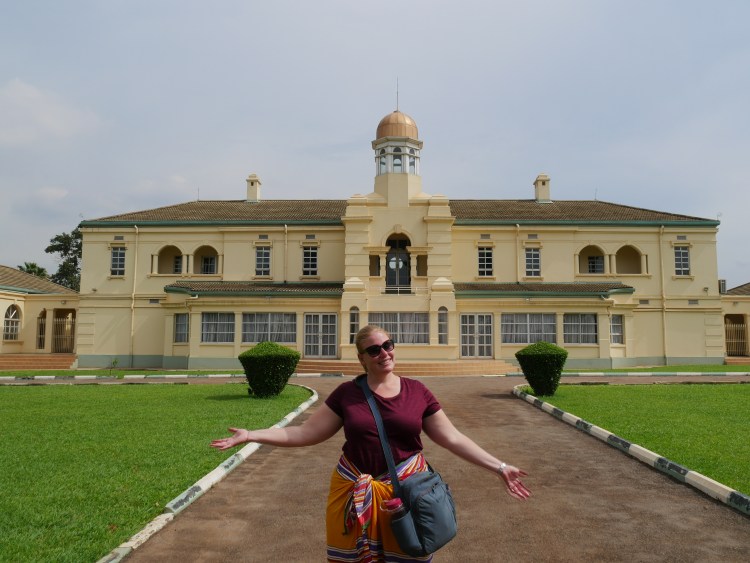
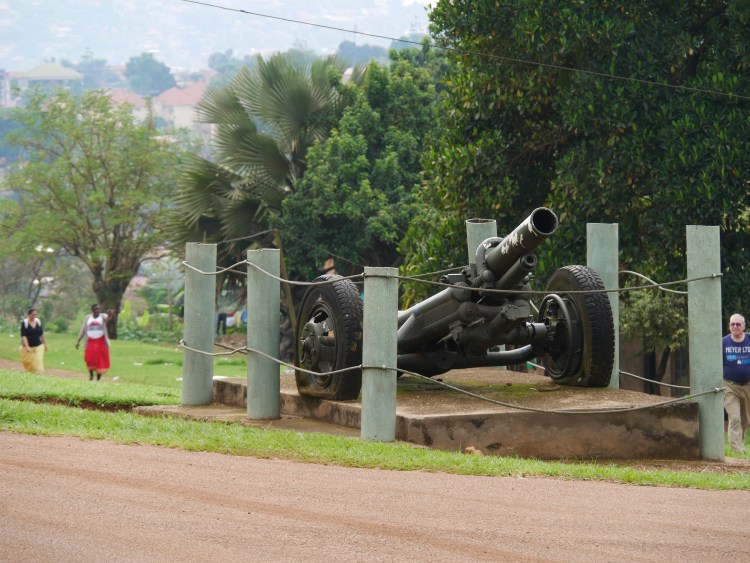
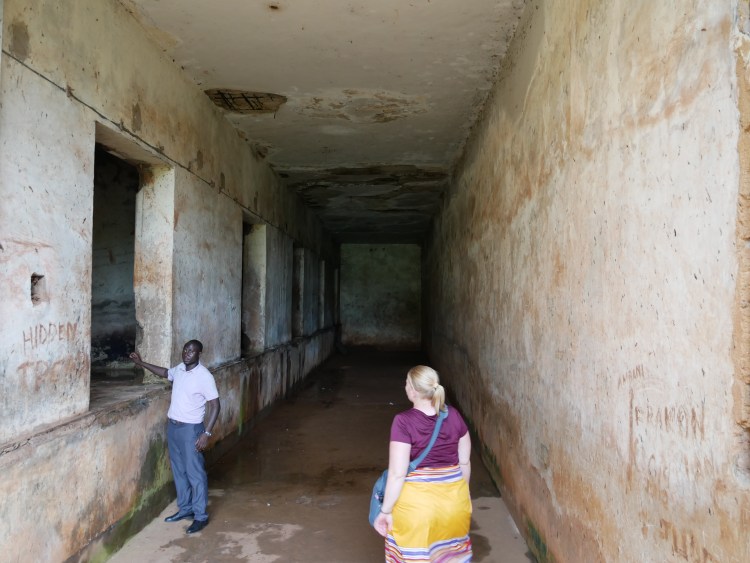
We also got to visit the beautiful Gadaffi Mosque (yes Gaddaffi paid for its completion) and the Mengo Palace, including a creepy underground bunker that was used as a torture chamber by both Idi Amin and Milton Obote. Fun fact – Kirsten had to wear a wraparound skirt at the Palace because all women who visit the Palace are the property/wives of the King? We finished the day with the ultimate pre-Christmas treat for Tim – Kirsten accompanying him to see the new Star Wars movie.

We were booked in to do white water rafting on the White Nile the next day on Christmas Eve. Unfortunately, Kirsten’s stomach had other plans, choosing to become violently ill about 6 hours before we were due to be picked up in Kampala and transferred to Jinja (about 2 hours away) by our rafting company. We decided to take the transfer to Jinja anyway (with Kirsten somehow holding all of her bodily fluids in for the duration), as we didn’t want to spend Christmas in Kampala and making our own way to Jinja later in the day was likely to take much longer. Upon our arrival in Jinja Kirsten proceeded to curl up in her own ball of sadness (much like Tim’s a few days earlier), only tentatively emerging on Christmas Day.

We were particularly keen to avoid being caught in the Christmas Eve exodus from Kampala!

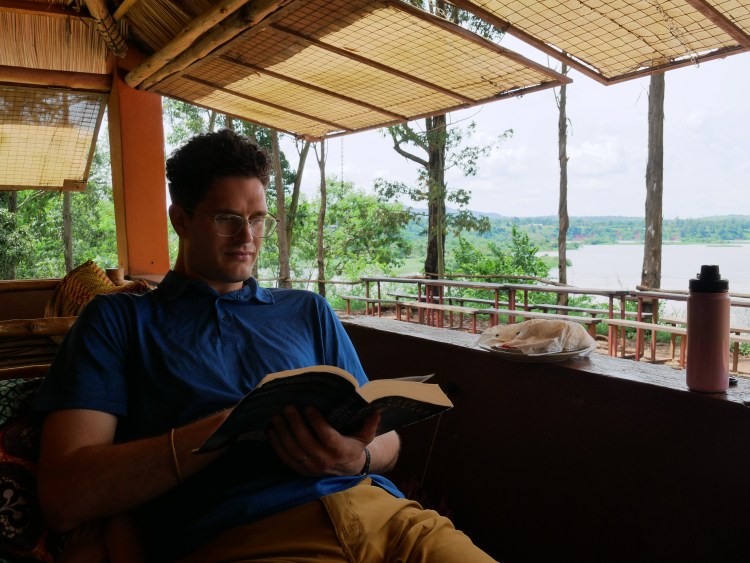
On Christmas Day we staked out a couch with the best views of the Nile at our accommodation (The Nile River Camp) and spent the day reading, eating (mainly Tim, Kirsten still feeling tender), calling our families and chatting with other travellers.

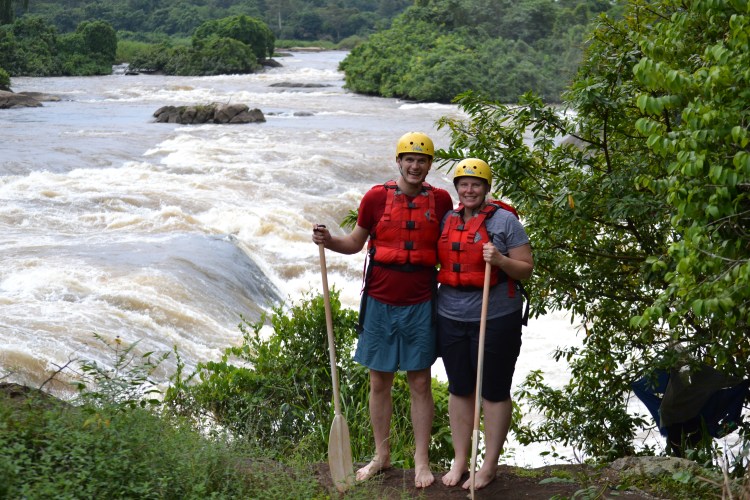
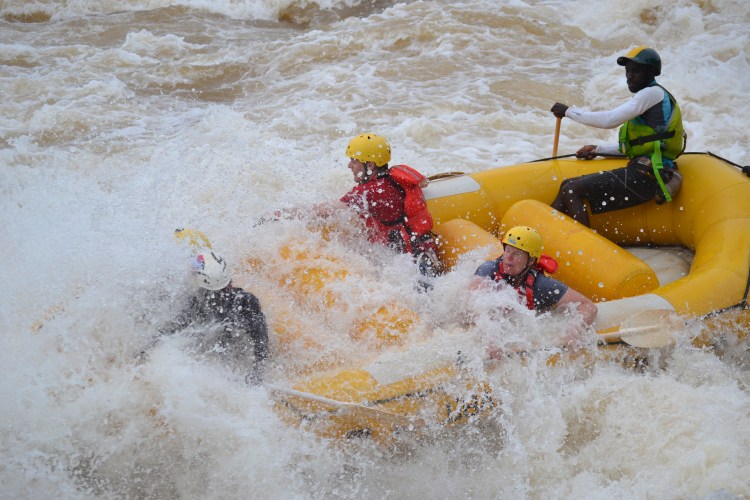
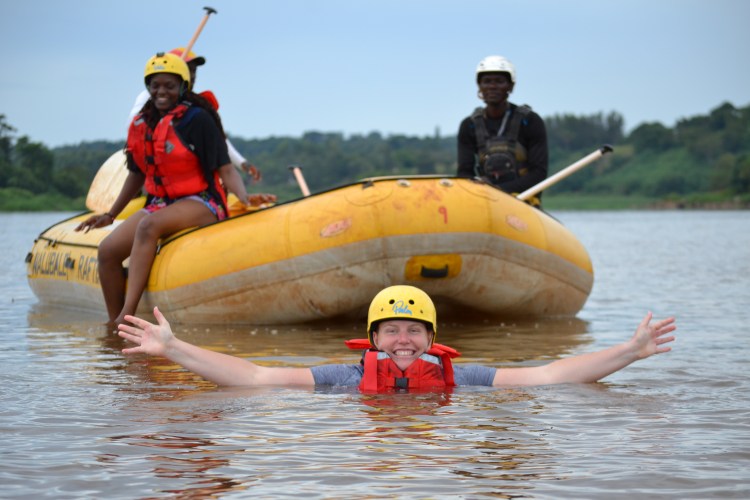
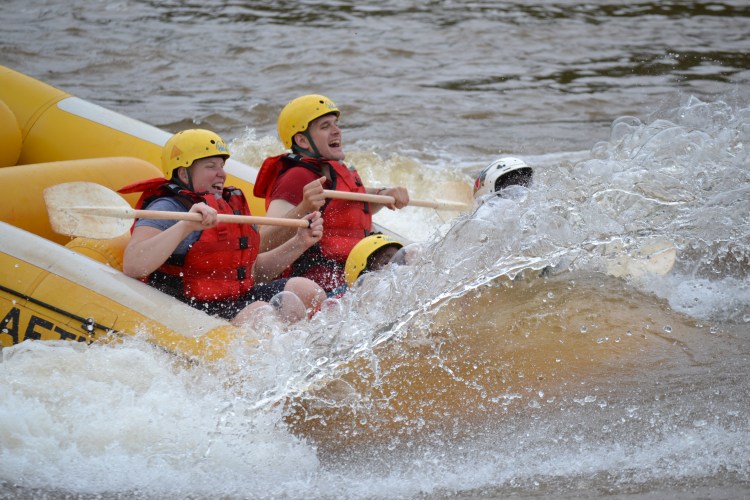
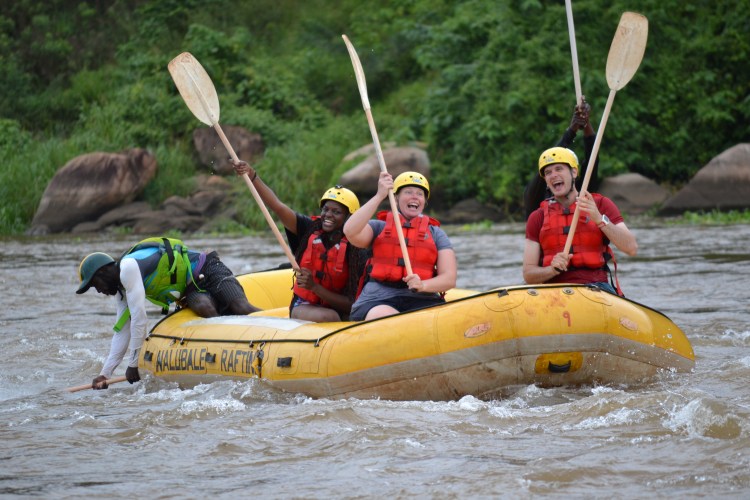
On Boxing Day, with Kirsten feeling significantly better, we finally ventured out to do our planned white-water rafting trip on the White Nile, which was an absolute blast. Then we bid a sad farewell to Uganda, with a 14 hour bus trip to Nairobi, Kenya.

Our first day in Nairobi was spent running around town doing life admin type things (getting SIM cards, withdrawing money, doing laundry), because on Sunday we will be heading off for 3 nights to the Maasai Mara National Park! For two of those nights we will be doing a homestay at a Maasai village, and that is where we will be spending our New Years Eve.  

Favourite thing we did

We were only meant to have two nights in Jinja, but we decided to extend our stay by one more night to raft on Boxing day instead. It meant forfeiting a night of accommodation we had already paid for in Nairobi and spending a ridiculous amount of time trying to reschedule our bus tickets (about 7 phone calls and 2 visits to the office), but it was absolutely worth it. We had an absolute blast!

Unfortunately, because of the recent heavy rains (and the associated mud) in addition to the damming of the river in recent years and corresponding low water level on the day we rafted, we were only able to tackle 3 out of the possible 8 rapids on the river. But our guide Ash was fabulous, taking us back multiple times for ‘surfing’ at the bottom of some of the rapids. We had a wonderful time and would highly recommend the company we rafted with (Nalubale).

Least favourite thing we did

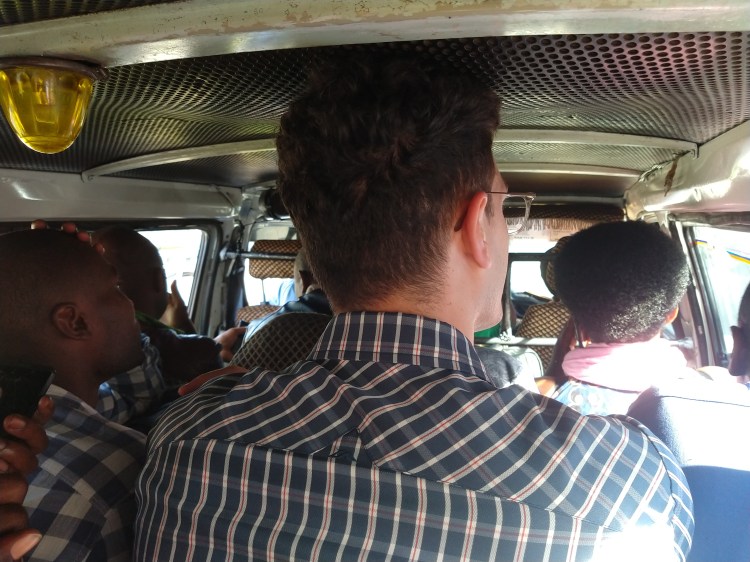
Urgh… long distance buses. The 14 hour journey from Jinja to Nairobi was definitely the least enjoyable thing we did this week (other than being sick). We managed to score ourselves a much more comfortable bus for this leg than we had from Kabale – Kampala, but 14 hours is a very long time and it was still unairconditioned (Kirsten keeps bringing her jumper on these bus trips because she keeps expecting the bus to be airconditioned … she continues to be disappointed). It was an extremely bumpy trip (Kenyan roads have the biggest speed bumps we’ve ever seen), but the upside was several hours of the most incredible music videos of dancing gospel choirs. Hot tip: 14 hours next to an open window and a whole lotta dust will give your hair the most volume it’s ever had! No Australian hairdresser has ever succeeded in achieving this kind of volume in Kirsten’s fine blonde hair!

Something like this, but it goes for 14 hours

Favourite thing we ate

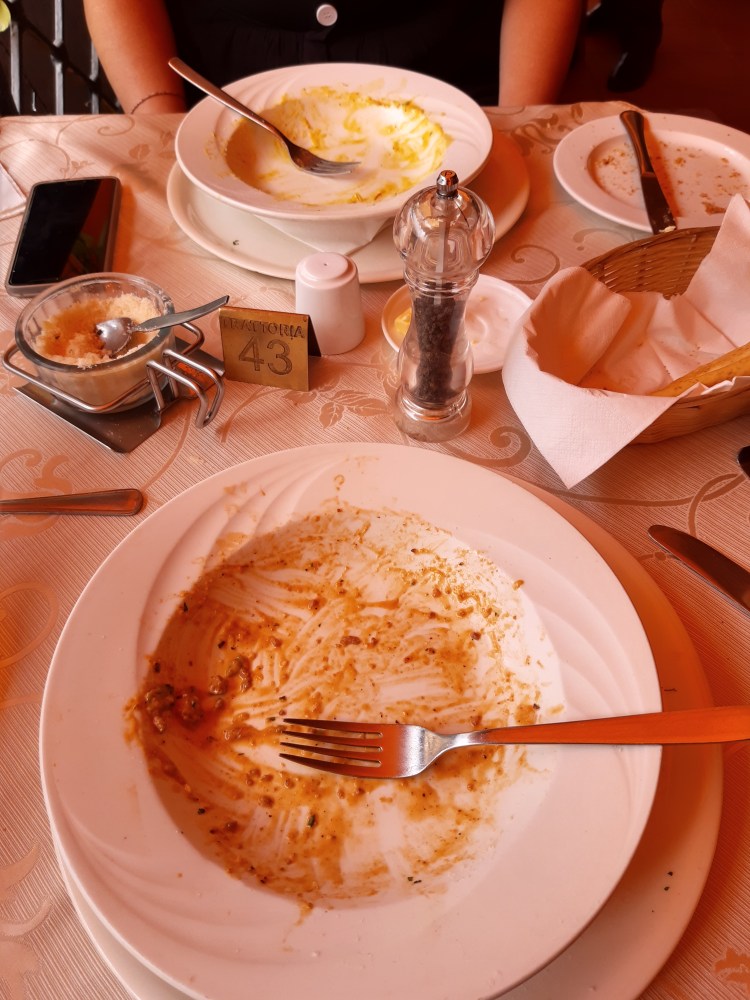
We had a delightful meal in Nairobi at Italian restaurant, Trattoria. While a bit on the expensive side (we each just had a pasta – our Kenya budget doesn’t quite stretch to a three course affair – this was more of a ‘Linner’ situation) the food was excellent. Handmade pasta cooked perfectly and generous servings. Kirsten had the Rigatoni with mushroom, leek, bacon and cheese. Tim lapped up the Fettuccini Trattoria, a house specialty which he highly recommends.
This time we at least though to snap a pic of our empty plates.

Favourite thing we drank

Kirsten loved the ginger infused ‘African tea’ from Nile River Camp and swore by its restorative properties. It was the only thing she was able to keep down on our first day at the camp.

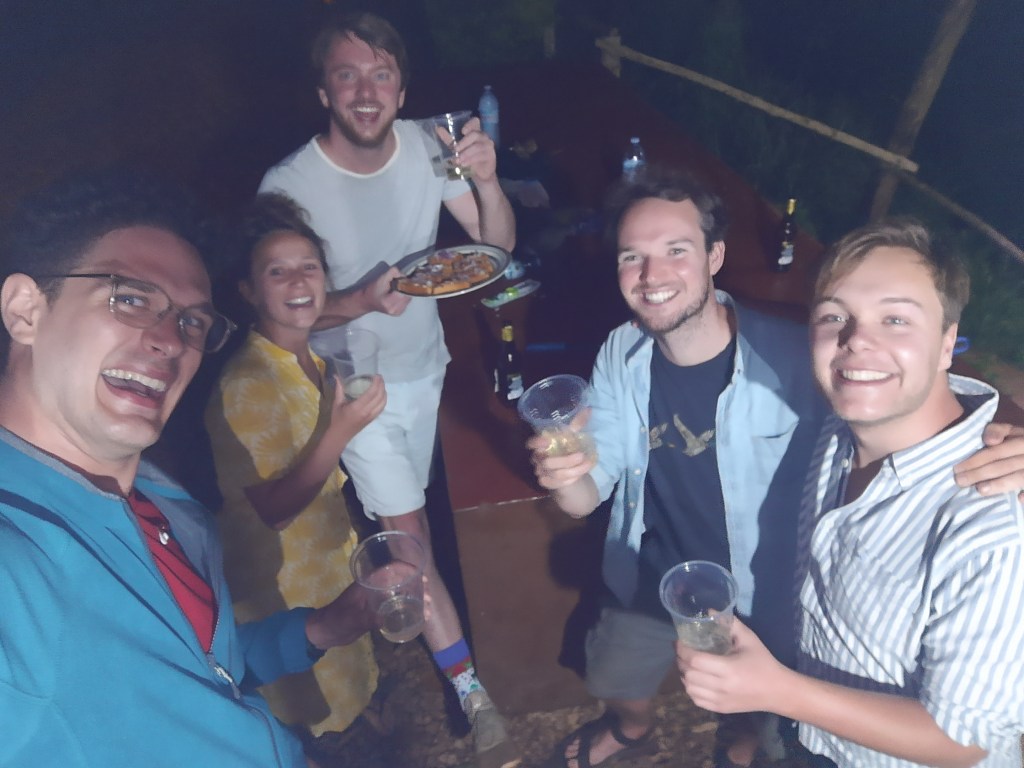
While Tim wouldn’t necessarily be adding this one to the cellar, a dubiously marked plastic bottle which contained champagne or some imitation thereof was his most memorable drink of the week. Proffered by a friendly Dutch duo who were also staying at the Nile River Camp on Christmas Day, it was also shared with a lovely Belgian couple who we had also met at Byoona Amagara on Lake Bunyonyi.

Biggest splurge

Finding accommodation in Africa has generally been a balancing act between price and a tolerable level of comfort (with our standards rapidly plunging as to exactly what qualifies as ‘tolerable’). However, safety is also a significant concern, particularly in the bigger cities. Nairobi’s reputation (the city is often nicknamed Nai-robbery) was particularly daunting, so we chose to blow our nightly accommodation budget and fork out A$110 / night on a hotel with good reviews, good security and a location within a safer part of the city. This was particularly painful, as the booking was non-refundable so we paid for a room we didn’t use on first night in order to be able to stay an extra night in Jinja and actually go white water rafting.

But it was all worth it when we stumbled off our 14-hour bus ride from Uganda, deliriously tired and covered in mud and dust. You have never heard such rapture over the comforts of a 3-star hotel. The bed is soft and clean, there are no insects to contend with and the shower produces an obscene amount of very hot water! There is also a buffet breakfast include in the price! Suffice to say we have no regrets about our choices here.
Best deal

Our Safari tent at Nile River Camp was a pretty great bargain, particularly the first night which was subsidised as part of our rafting trip for a bonanza price of $US25! It was simple, but clean, and had amazing views of the Nile. We really enjoyed the experience of staying at the camp, particularly the dining area with its great views and social atmosphere.
Week 3

Rwanda and Uganda

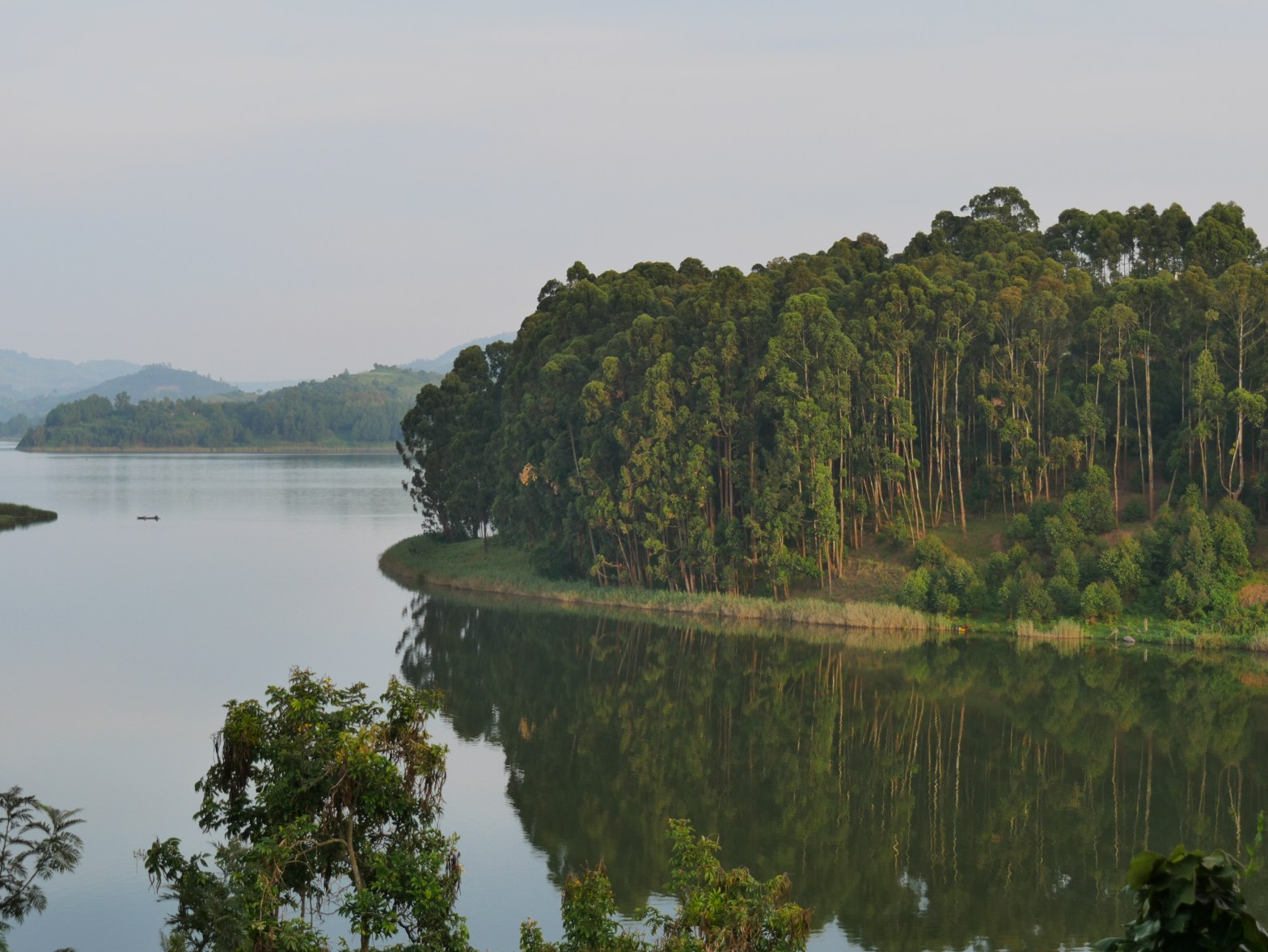
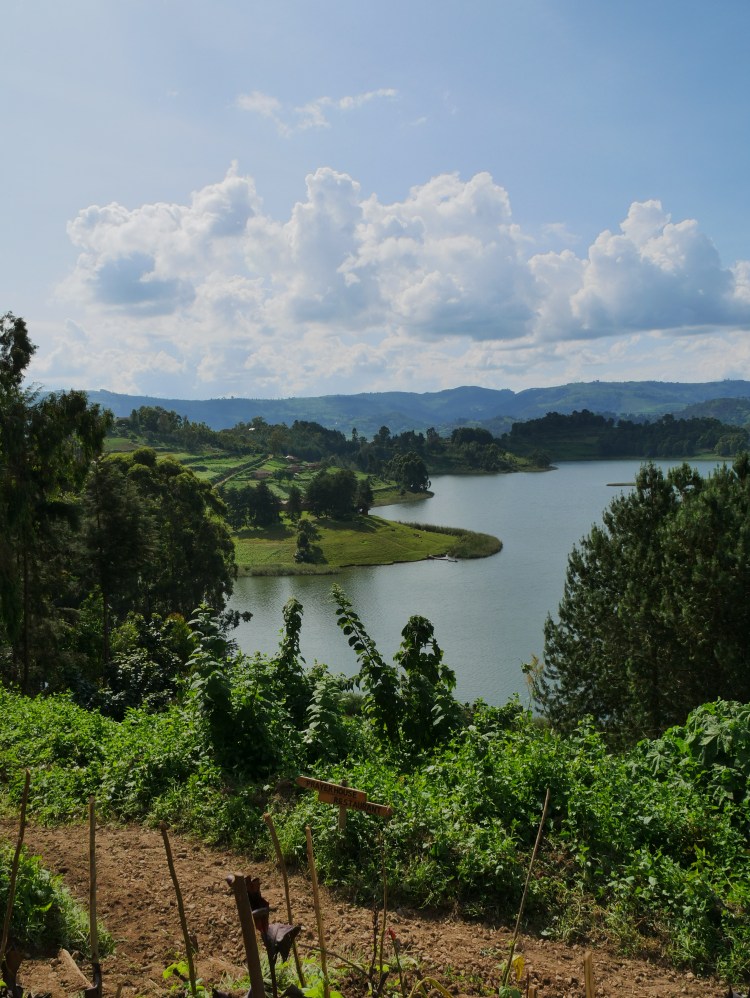
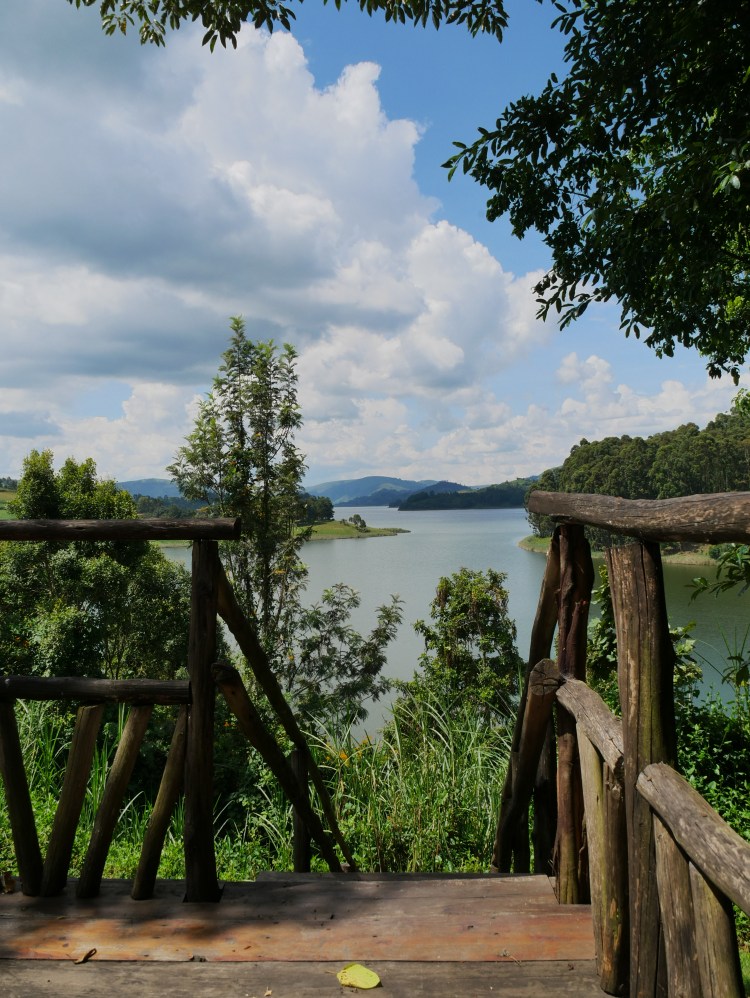
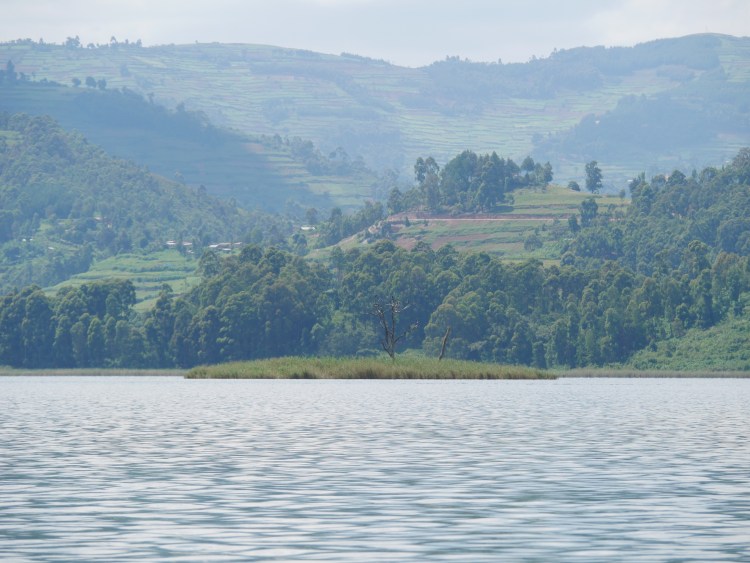
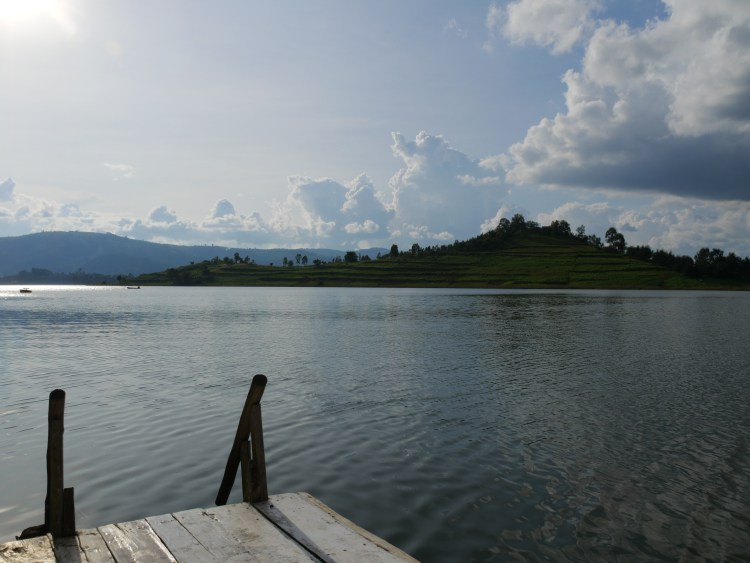
Our balcony view at Lake Bunyoni

What we did

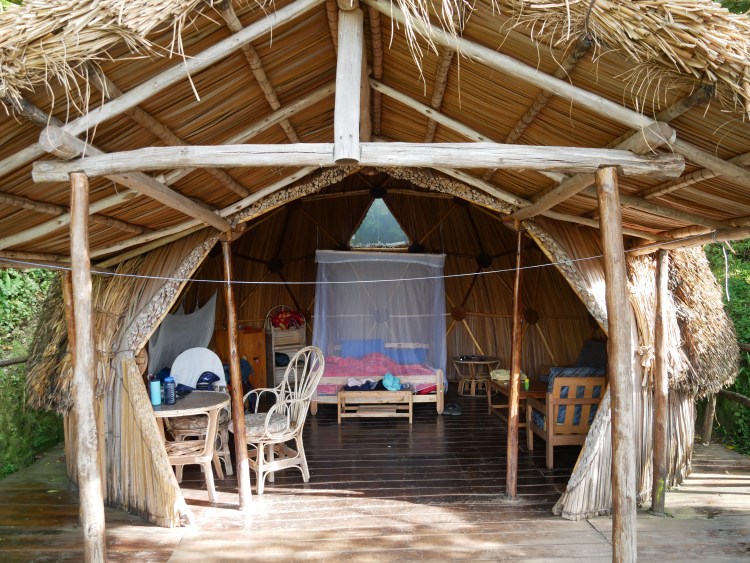
A bit of a laid-back vibe to this past week, as we spent most of it chilling out at Itambira Island on Lake Bunyonyi. We crossed the land border from Rwanda into Uganda on Monday, which was a bit of a struggle to figure out. Tensions have been high between the Rwandan and Ugandan governments since March of this year, with the borders effectively being closed to international buses, except for some very inconvenient times which would have seen us arriving at Kabale (the town nearest our island accommodation) at around 2:00 in the morning. We instead opted for ‘Adventure Time’ and caught a local bus out of Ruhengeri to the border at Kyankia. There we crossed over on foot (Tim’s first land border crossing! Very anti-climatic) and hired a car to drive us to Kabale, and from there to Lake Bunyonyi, where our hotel had a water taxi to take us to the island. We picked up some local sim cards in Kabale, but fun-fact, the government of Uganda has some restrictions on the use of social media – there is a monthly tax that must be paid with any internet or mobile subscription to allow the use of such services. This rather inconveniently includes WhatsApp, so we were worried about how to call home for Christmas (can pay the tax from any mobile top up stand though, which are plentiful in Uganda). We had a few lovely days on the lake, at the amazing eco-resort Byoona Amagara, staying in their Deluxe Geo Dome – an open faced, but private hut that looked straight out on to the lake. On Friday we farewelled beautiful Lake Bunyonyi and caught the bus to Kampala. Situated at our Airbnb, nicely settled near the city and close to Acacia Mall (where our every need can be met – our standards have dropped sharply in Africa). Lucky thing we were in such a cosy spot, as Tim spent the entire first day curled up in a ball of sadness, suffering from 24-hour tummy bug. Today though he had the strength to come and see Frozen 2, so he’s obviously doing better!
Least favourite thing we did

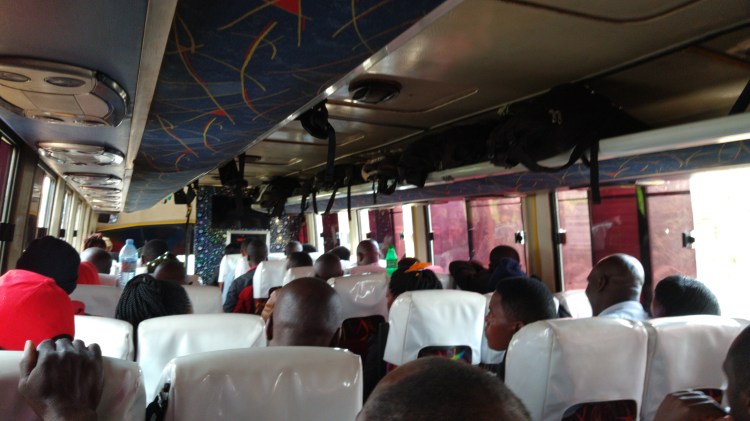
It’s something of a tie between the 7 (but actually 10) hour bus ride to Kampala from Kabale and our expedition with a dug-out canoe on Lake Bunyonyi. The bus ride was very cramped, being a 3 by 2 seater (read 4 by 3) fitted into the shell of what would be a 2 by 2 coach in Australia (yet somehow had a wider aisle than one).

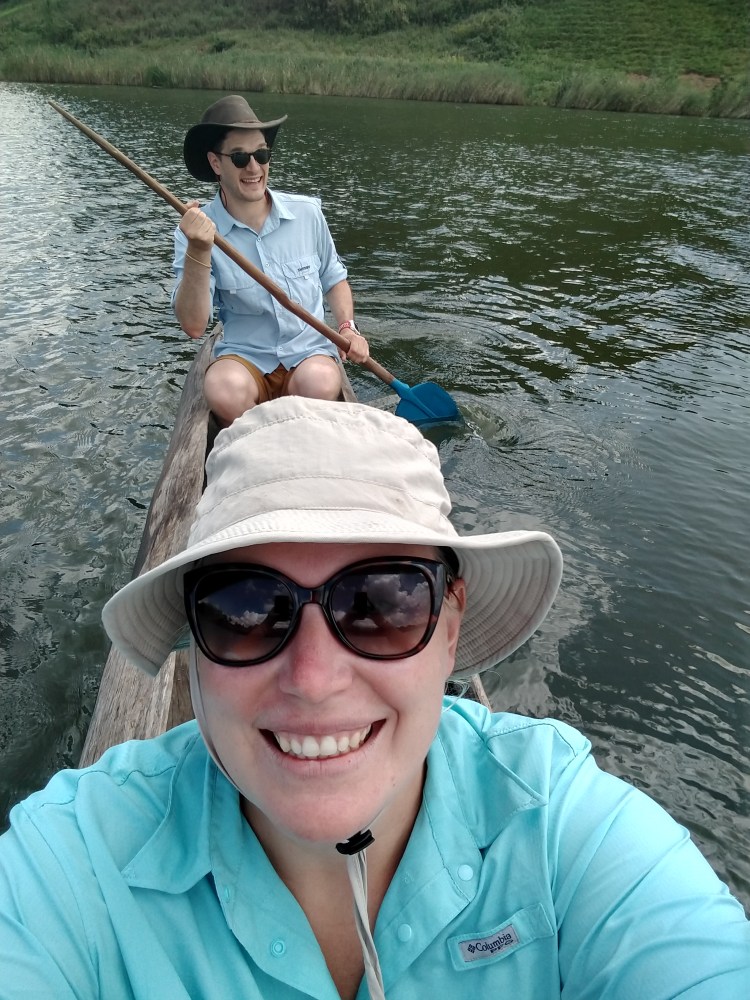
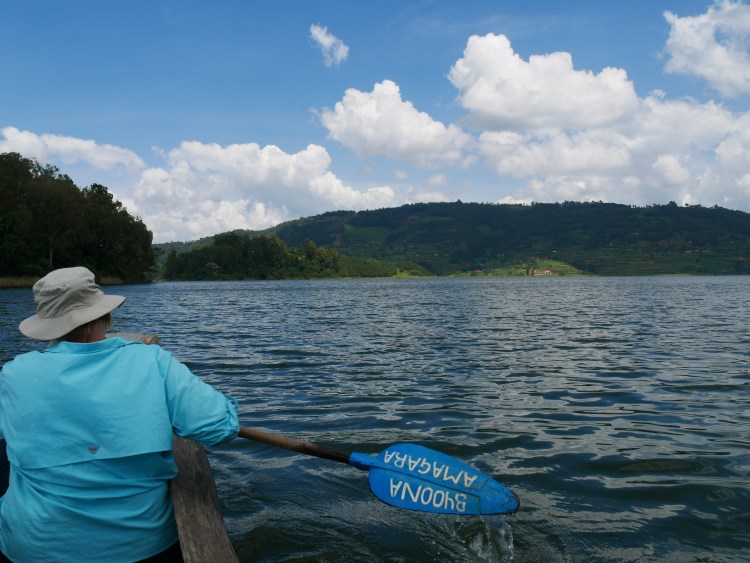
Our romantic, but naïve, foray with a dugout canoe – hired from our hotel, with two paddles, nil instructions and a friendly shove off the dock – turned into a bit of a nightmare. As we had read prior, most Muzungus spend their time spinning in circles about 50 metres from where they began before dejectedly returning, we’re not sure why we expected a different result. We persevered however, and four hours later, having made it around the neighbouring island via the scenic route with a few dozen extra zig-zags, we returned blistered, with sore bottoms, a new suite of sunburn, and our marriage in tact. That last was not a given at several points of the voyage. Seriously, trying to keeping that bloody boat straight was such an exercise in teamwork and good communication skills that we would have made for dramatic, prime-time viewing on the Amazing Race. Somehow we both resisted the urge to turf the other off on Punishment Island (a legit place on Lake Bunyoni where unwed pregnant women were exiled to – until they perished or some bloke with swamp breath came along to pick up a bride).

Favourite thing we did

Getting to jump into the beautiful fresh (and clear – looking at you Lake Burley Griffin!) water of Lake Bunyonyi was an absolute delight. We were a bit trepidatious at first, but the repeated assurances from others that Lake Bunyonyi possess neither crocodiles, hippos or bilharzia convinced us it was a true gem. Jumping in after our horror canoe ride was a restorative experience.

Favourite thing we ate

Byoona Amagara resort has an incredibly inventive and delicious menu, especially for a place with limited access to power and only very local ingredients (so no meat and minimal dairy). There were several stand out dishes we had while staying there but Kirsten’s favourite or the week was the potato pancake, hilariously named The Paddling Dutchman. With a side of guacamole (and some of Tim’s wedges) it was starchy perfection on a plate.

For Tim, it was the Eggs Benedict he got to eat this morning. After consuming nothing but crackers and Panadol yesterday, it was like watching one of those videos where a baby eats bacon for the first time.

Favourite thing we drank

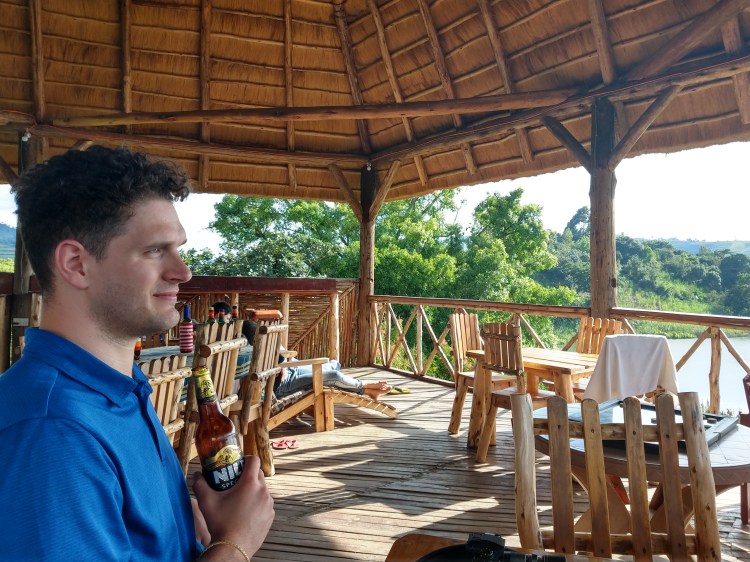
We both enjoyed a few bottles of a local Ugandan beer called Nile while staying at Byoona Amagara. The place being an eco-lodge and running entirely on solar power meant that cold drinks were not a priority. However, the adjacent hotel either had better solar panels, or less environmentally conscious management, the upside of which is they had cold beer.

Biggest splurge

As Christmas is drawing close and we have had to accept that we don’t have room in our packs for any presents to one another or souvenirs to take along, we have decided to reallocate those funds. Specifically we went and bought a $23 AUD box of Lindt chocolates to gorge on.

Best deal

Our Airbnb in Kampala has been a great deal, at $37 AUD a night (roughly 88,000 UGX). It’s in an excellent location, with good facilities, a decent shower (hot water and a bit more pressure than what else we’ve seen), and best of all no bedbugs! It has definitely redeemed the idea of the African Airbnb for us.

Merry Christmas to you all!

Having just remembered this will be our last post before Christmas, we want to wish you and all your families a joy-filled and blessed time over the break!

Week 2

Rwanda

Our past week has been a real opportunity to get more familiar with the expression – T.I.A (This Is Africa). The week began with the discovery that our Airbnb had bedbugs… this probably should have been apparent sooner as Kirsten was waking up each day with more and more itchy red bites, but she was in denial and maintained that they were from mosquitos for the first few days. We thus spent a solid day after leaving the Airbnb decontaminating the rest of our belongings to ensure that we didn’t take them with us for the rest of our trip!

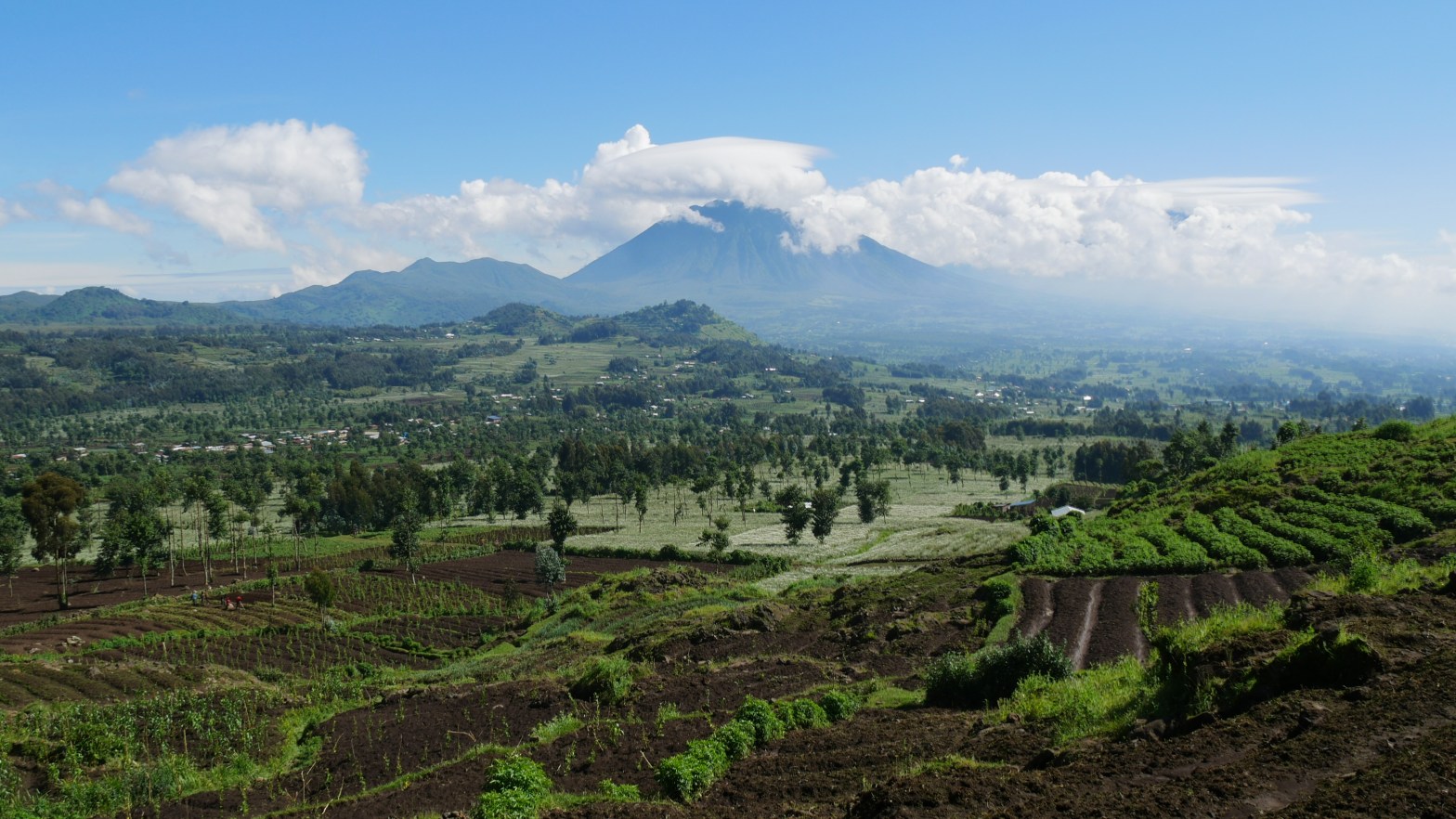
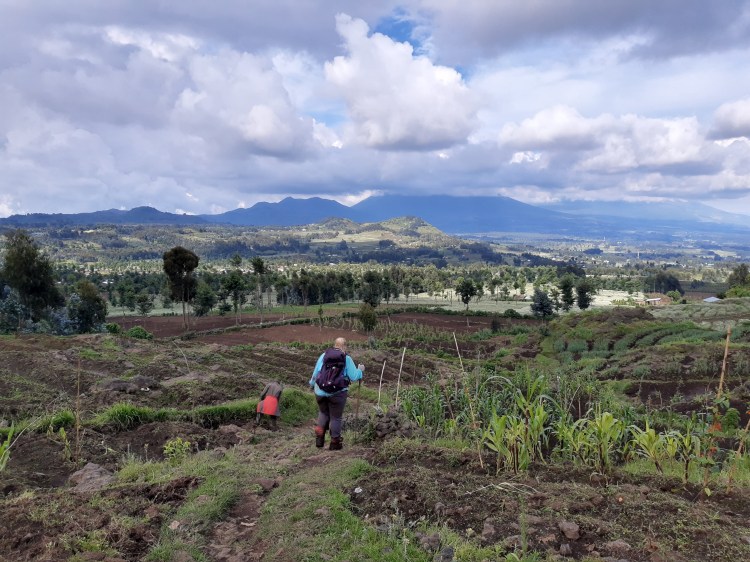
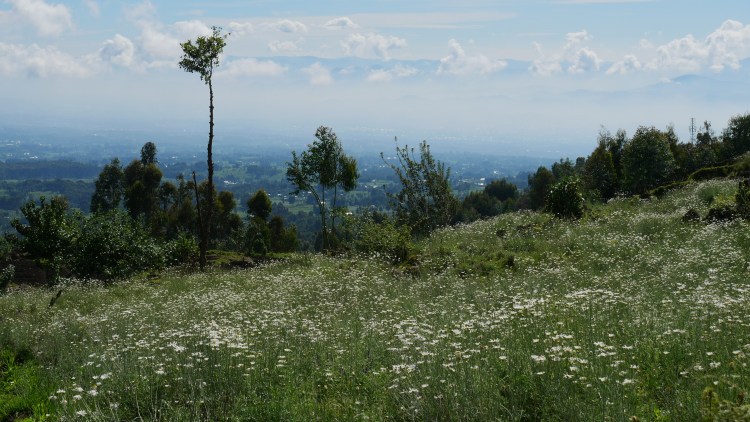
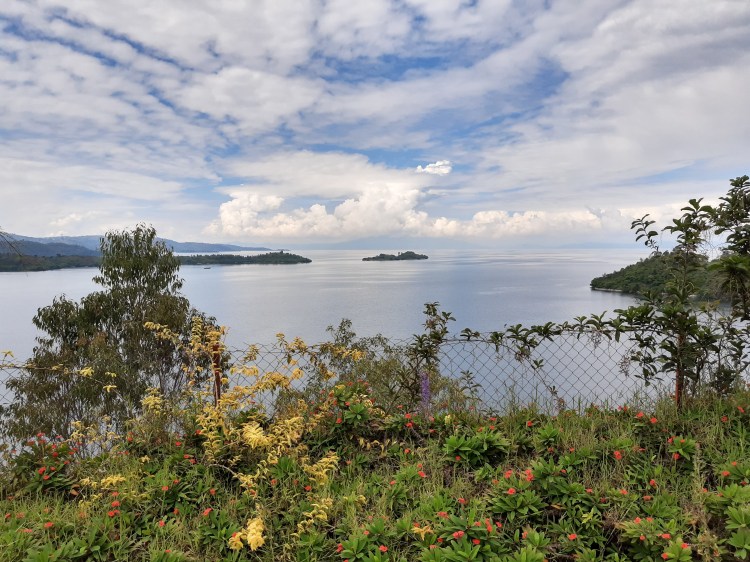
Stunning view from the hillside of Mt Bisoke in Volcanoes National Park

What we did

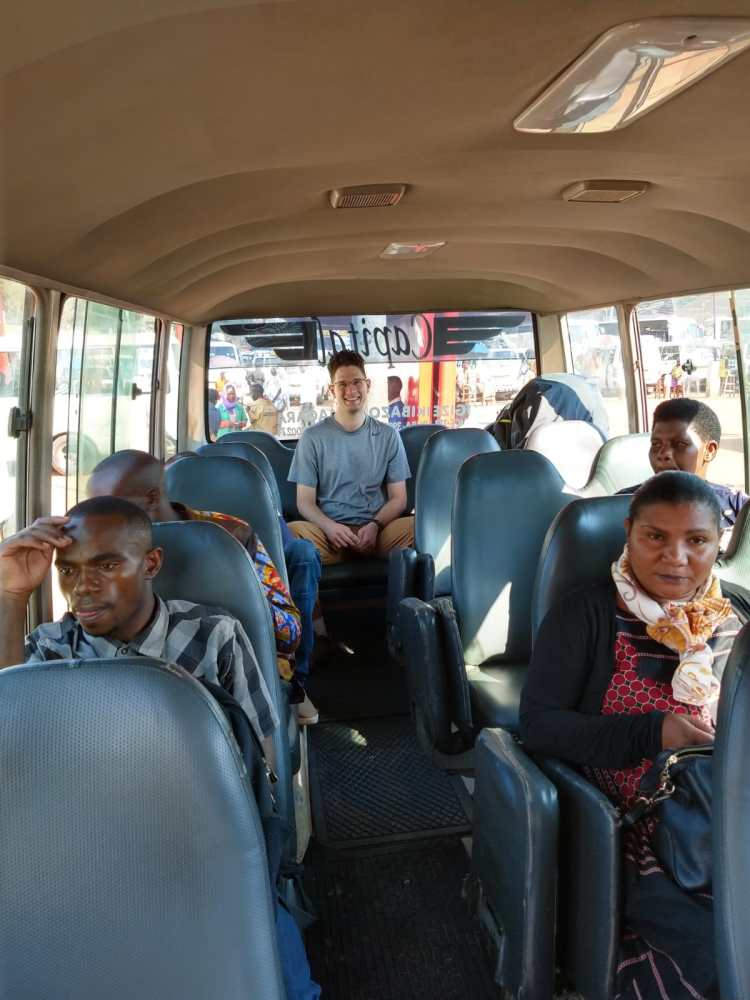
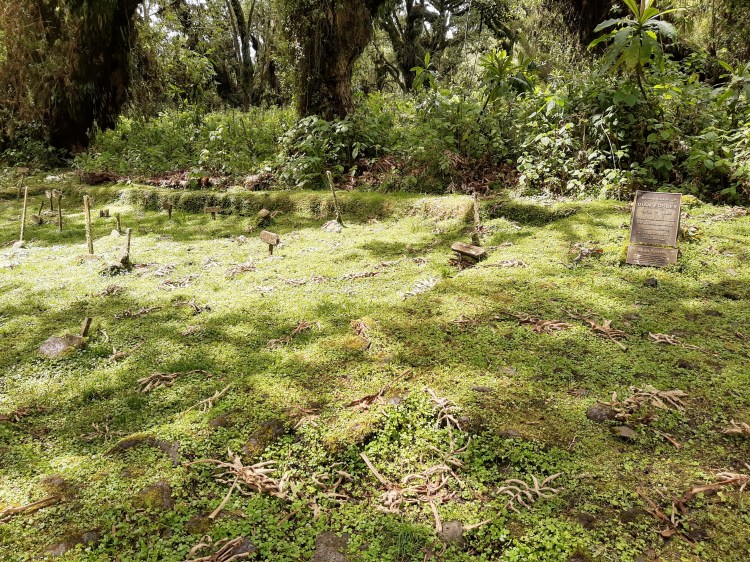
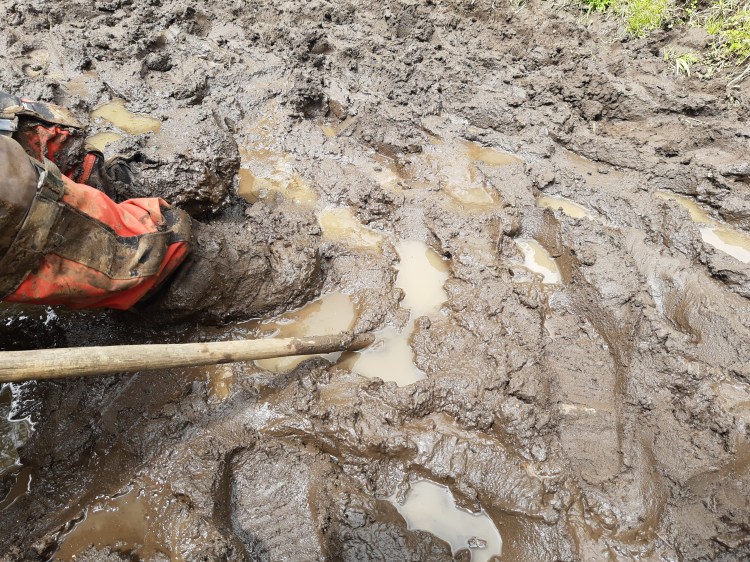
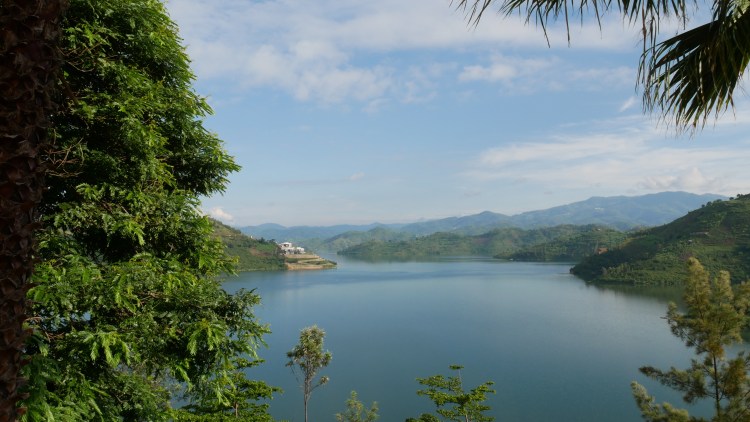
After finishing up our time in Kigali, we braved our first African bus depot (where we felt a little bit like two chips amongst a flock of seagulls) to catch a mini bus to Kibuye on Lake Kivu. We spent a couple of days taking in the views and wandering around this incredibly beautiful little town on the lake, before moving on (via two more minibuses) to Ruhengeri, located in the foothills of Volcanoes National Park. The national park is famous for being home to some of the worlds last remaining mountain gorillas, and was where Dian Fossey conducted her life work studying them, before she was murdered here in 1985. Unfortunately, our budget didn’t quite stretch to covering US$1500 per head to actually visit a habituated group of mountain gorillas, but we did spend a day doing the (much more reasonably priced) Dian Fossey hike. The hike took us up through the national park to the ruins of her research station, nestled on a hill between the two mountain tops, as well as her grave next to her favourite gorilla, Digit. We had been warned that the hike would be muddy, but nothing could have prepared us for the 7 hours we spent slogging most of the way through ankle deep (and sometimes knee deep) mud.

Being so exhausted the next day, we stumbled out of bed at a pretty leisurely hour. We only managed to get to the French mass at the beautiful Cathedral Notre Dame de Fatima, where a particularly industrious group of children accompanied us into the church and stayed with for the entire hour and forty-minute service, in hopes of lightening our pockets of a few thousand francs at the end.

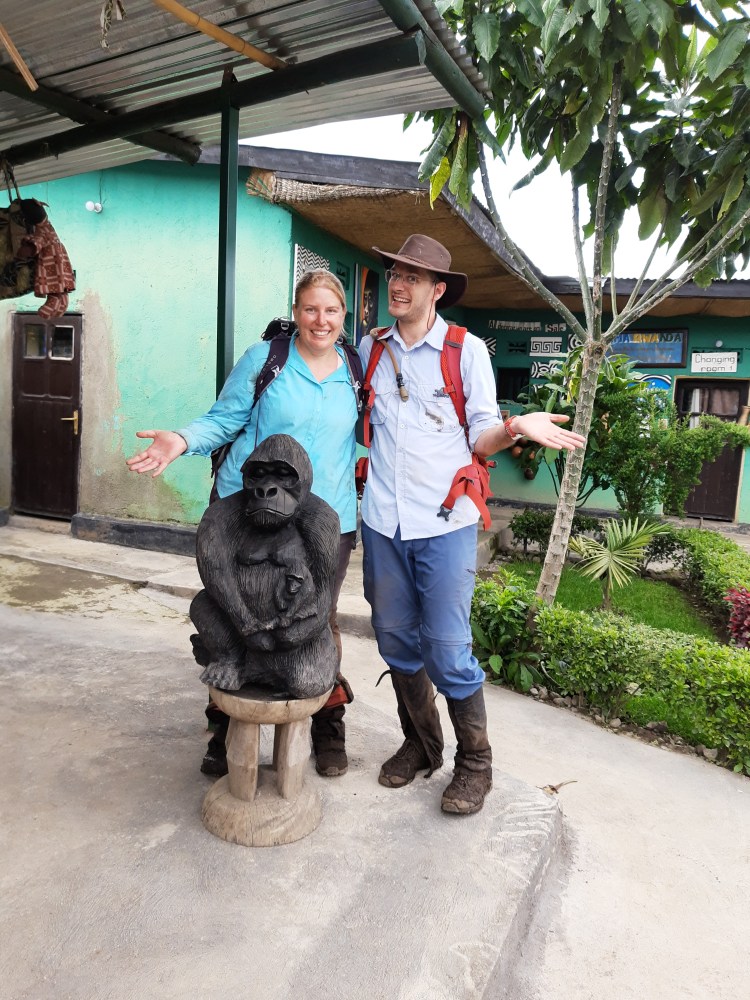
No Gorillas spotted on the Dian Fossey hike, sadly. But here’s a close second.

Favourite thing we did

On our third day at Lake Kivu, when the rains had finally subsided long enough to let the sun peep through, we took advantage of the weather and went for a short hike around the edge of the lake. The changing vantage points and all the little discoveries we made walking along the many peninsulas was a real treat. We picked up a small entourage about halfway through of some local children, which seemed to snowball in to larger pack as we passed every home along our route. The kids shrieked in glee every time one of us lifted them over one of the mud puddles (which were plentiful, given the recent rains).

Favourite thing we ate

We enjoyed a beautiful lunch at the Cormoran Lodge whilst enjoying our walk around the peninsula in Kibuye. We enjoyed some local delicacies – brochettes (basically meat on a stick) and fish freshly caught from the lake, and Tim was delighted to discover they had Spekulous icecream. The food was incredible, though pricey and the views out across Lake Kivu to the DRC in the very far distance were to die for.

Out most appreciated meal, however, was the burgers we got for dinner at the Migano Café in Ruhengeri after we finally returned from the Dian Fossey Hike. We had originally expected to be back from the hike in time for lunch, however the recent heavy rains had made the mud much deeper which meant the hike took significantly longer and we only got back in time for dinner. We were pretty hungry by this point, having only eaten some nuts and biscuits that we took along for snacks, so our dinner when we finally got it was pretty much the best thing we had ever tasted. No pictures here – we inhaled our food as soon as it was put in front of us.

Favourite phrase we learnt

Kinyarwandan being the language spoken the most here in Rwanda (alongside French and English) we thought it pertinent to at least pick up the basics. A seemingly innocuous expression – Mwaramutse – meaning ‘good morning’, has rendered some interesting replies such as Yego/Yes and Ni meza/I’m fine. As a local guide later explained to us, Mwaramutse can actually be posed as a question early in the morning when it can be taken to mean ‘did you survive the night?’ which goes a long way to explaining some of the circuitous responses we’ve received.

Biggest splurge

Our biggest splurge of the week was more of a necessity – 25,000 RWF ($40 AUD) spent having all of our clothes hot washed by our hotel in Kibuye in order to kill all the bedbugs we feared were in them. Maybe this price was reasonable, but having gotten batch loads of washing done for far less during our travels in Asia, paired with the hotel policy of pricing every individual item to be laundered, we were a bit taken aback. At least it was a better deal than the 50,000 RWF ($80 AUD) originally requested!

Cleaning our clothes a second time ourselves, just to be sure!

Best deal

Exorbitant laundry prices aside, our best deal was undoubtedly our accommodation in Kibuye/Karongi at Home Saint Jean. For just 30,000 RWF a night (about $50 AUD) we were treated to a fantastic lake-view room, a great value included breakfast and an excellent hot shower (not always a given in Africa as we’re fast discovering). The beautifully maintained gardens of the hotel winded down along a lovely path to the lakeside which we thoroughly enjoyed exploring.

Design a site like this with WordPress.com
Get started